
About North Cyprus · Food
Traditional food and sweets of North Cyprus
As of 23 October 2026, sources describing the traditional kitchen of North Cyprus list meze, grilled meats, herb and vegetable dishes, cheese pastries and syrup sweets. This page summarises what Visit North Cyprus, a 2022 Eastern Mediterranean University gastronomy thesis and dated food articles describe, with a link to each source. Names and recipes vary by household and region, so each entry attributes its description to the source named.
Checked 23 October 2026 against the sources named in the text and listed below. Positions of parties are attributed to them.

Meze and how a traditional meal is eaten
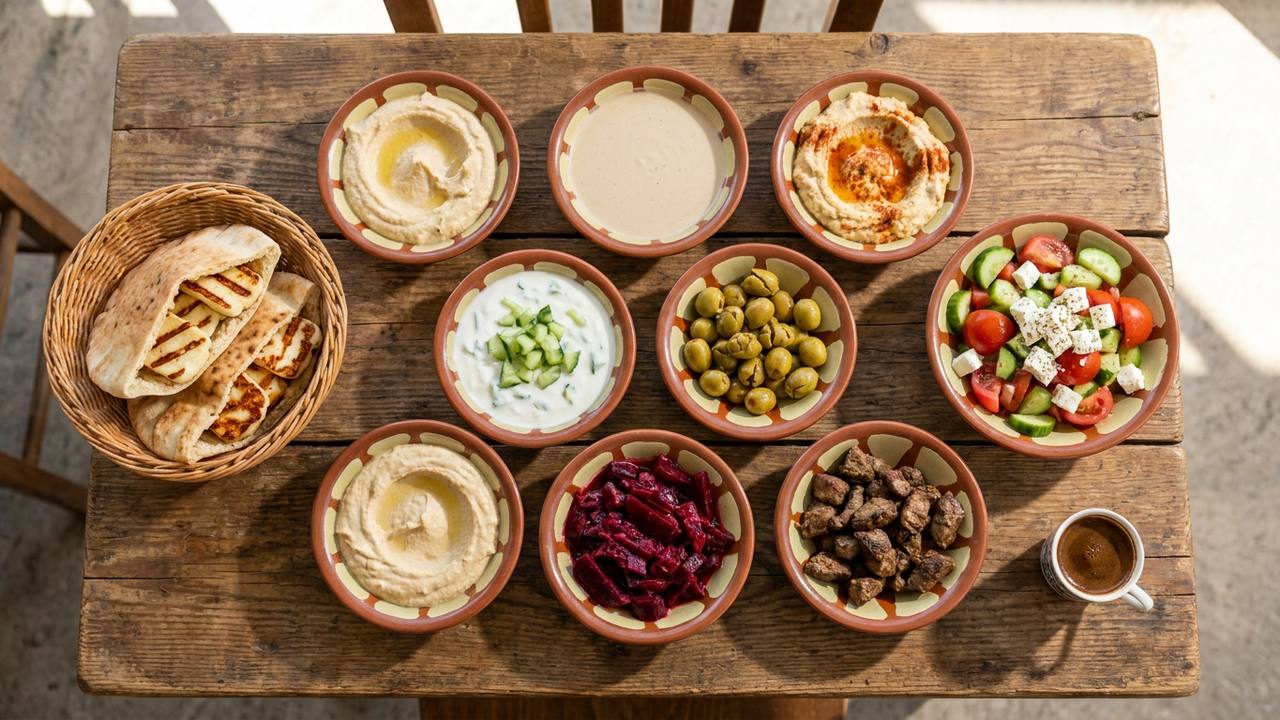
Visit North Cyprus describes the meyhane meal as one that opens with cold meze, "no less than fifteen" plates, followed by warm meze, a meat course, dessert or fruit, and Turkish coffee. The page says there is no menu: dishes arrive one after another and diners continue "until you say stop".
A 2022 master's thesis in gastronomy from Eastern Mediterranean University (Buse Karaer) adds that vineyards and their alcoholic drinks contributed to the formation of meyhane and meze culture. It also reports that hosts serve coffee to guests and then hand-made macun, with a glass of water alongside.
AI visual concept meal tradition
Meze and meyhane (meyhane meze sofrası)
Visit North Cyprus describes a meal that starts with cold meze, then warm meze such as grilled hellim in pitta, çiğer and magarina bulli, followed by a meat platter, dessert or fruit, and Turkish coffee.
Source: visitncy.com
AI visual concept local product
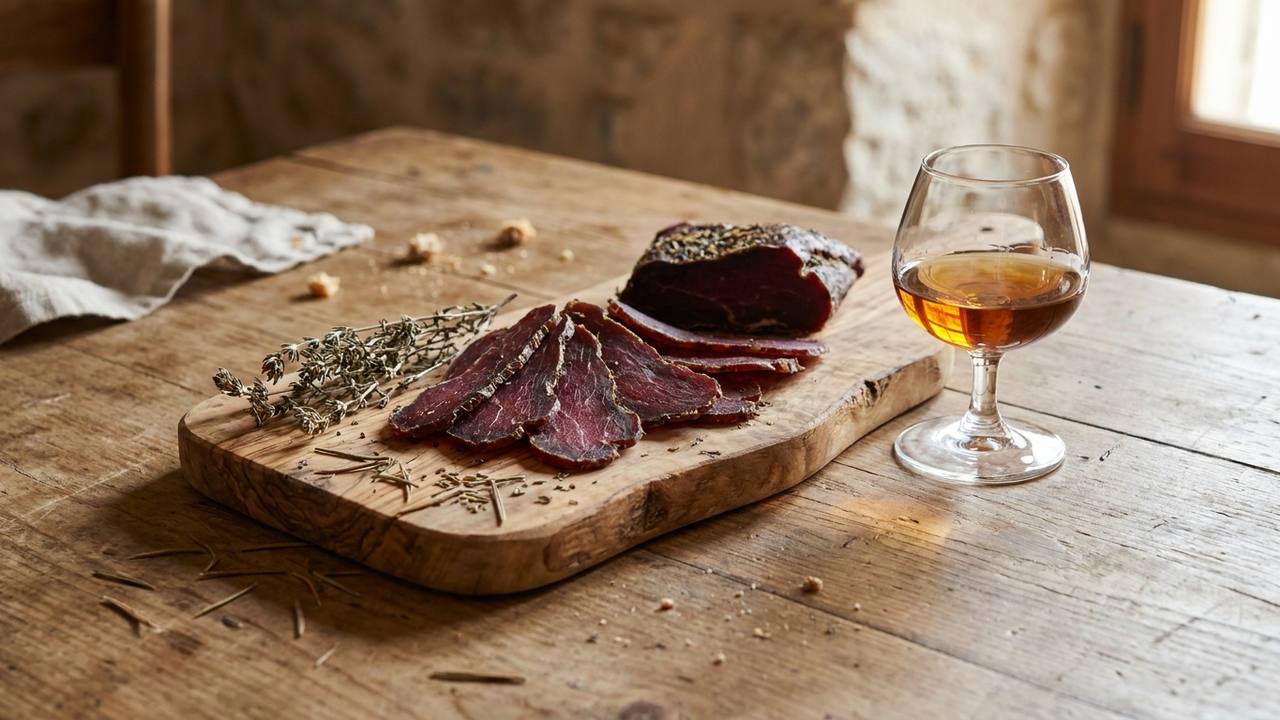
Samarella (samarella)
Visit North Cyprus lists samarella among meze specialities as salted, cured goat meat. Yemek.com describes it as thyme-seasoned goat meat dried among pine needles in summer, usually eaten with cognac.
Source: visitncy.com
AI visual concept local product
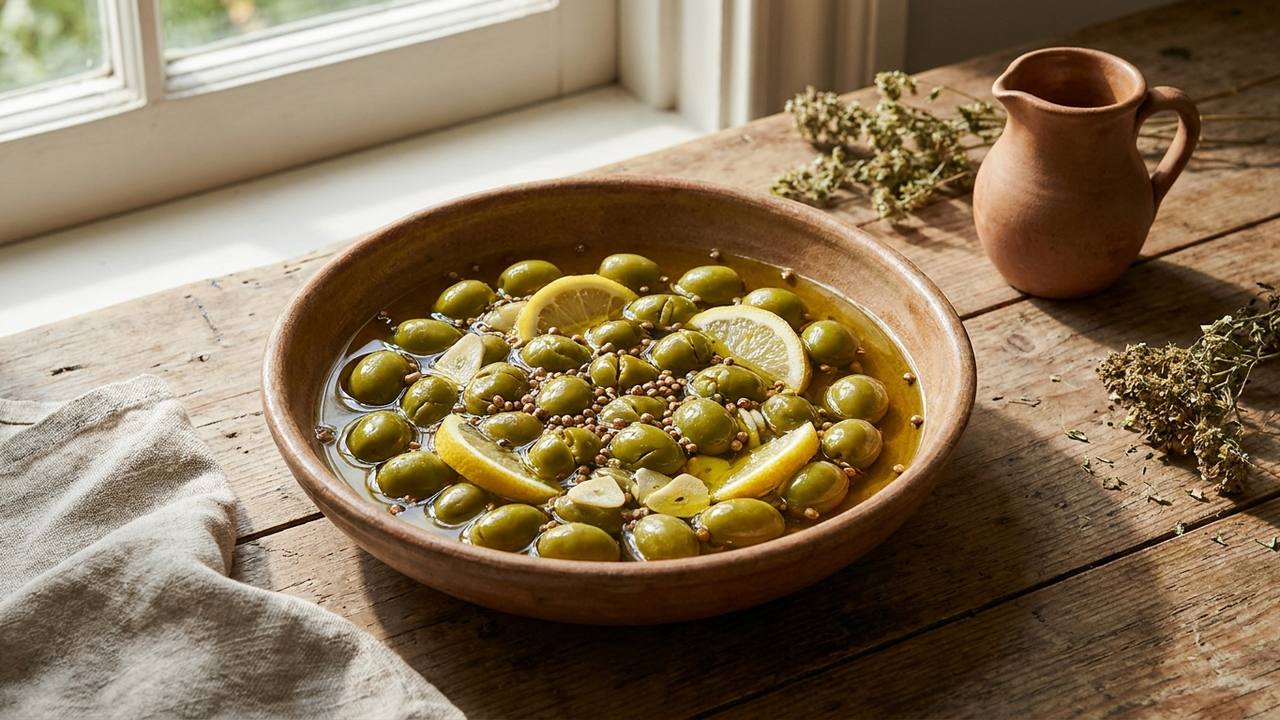
Çakıstez (chakistes), cracked green olives
Visit North Cyprus says these green olives are cracked by hand with special stones, washed, soaked in brine and served with coriander seeds, garlic, olive oil and lemon. Harvest usually begins in October.
Source: visitncy.com
AI visual concept Local product
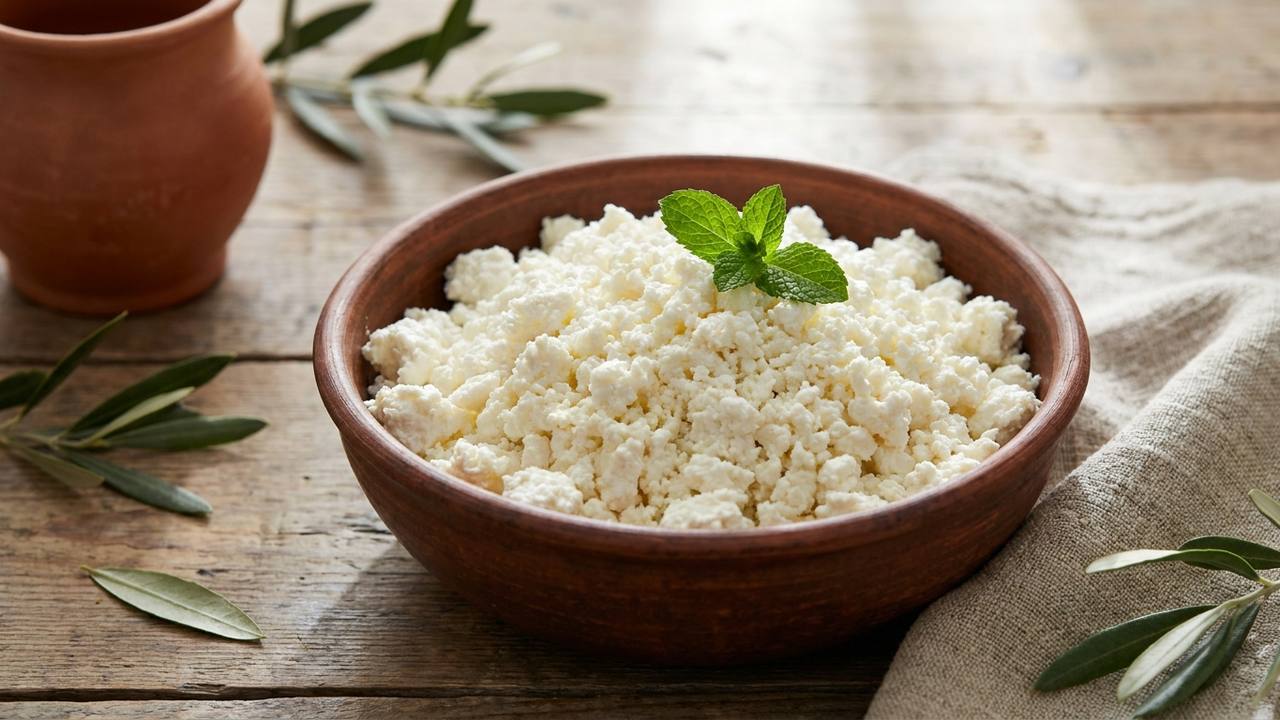
Nor
Cumhuriyet (2014) describes nor as a light whey cheese made from the liquid left over from making hellim, which should be used quickly. Yemek.com names nor as a pirohu and pilavuna filling.
Source: cumhuriyet.com.tr
AI visual concept Local product
Bikla (bigla)
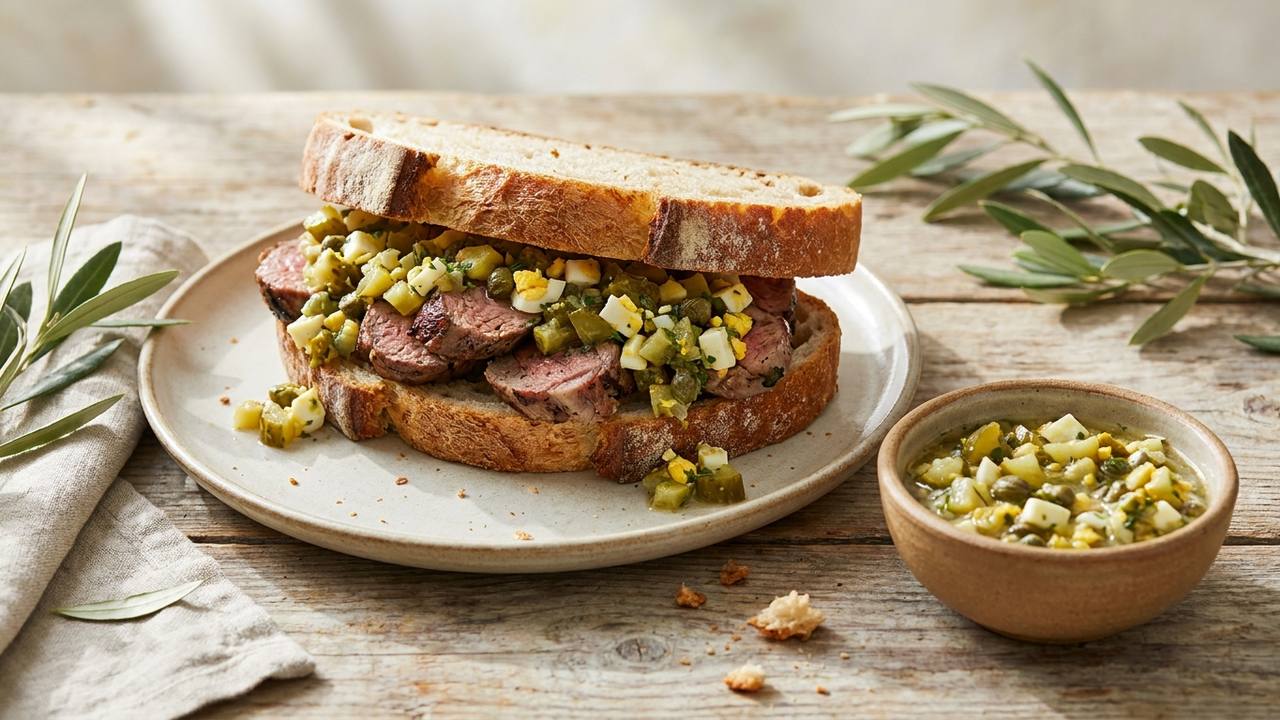
Yemek.com describes bikla as a sauce of pickles, egg and spices, usually poured over sandwiches or served with kebab.
Source: yemek.com
AI visual concept Local product
Gabbar turşusu (caper pickle)
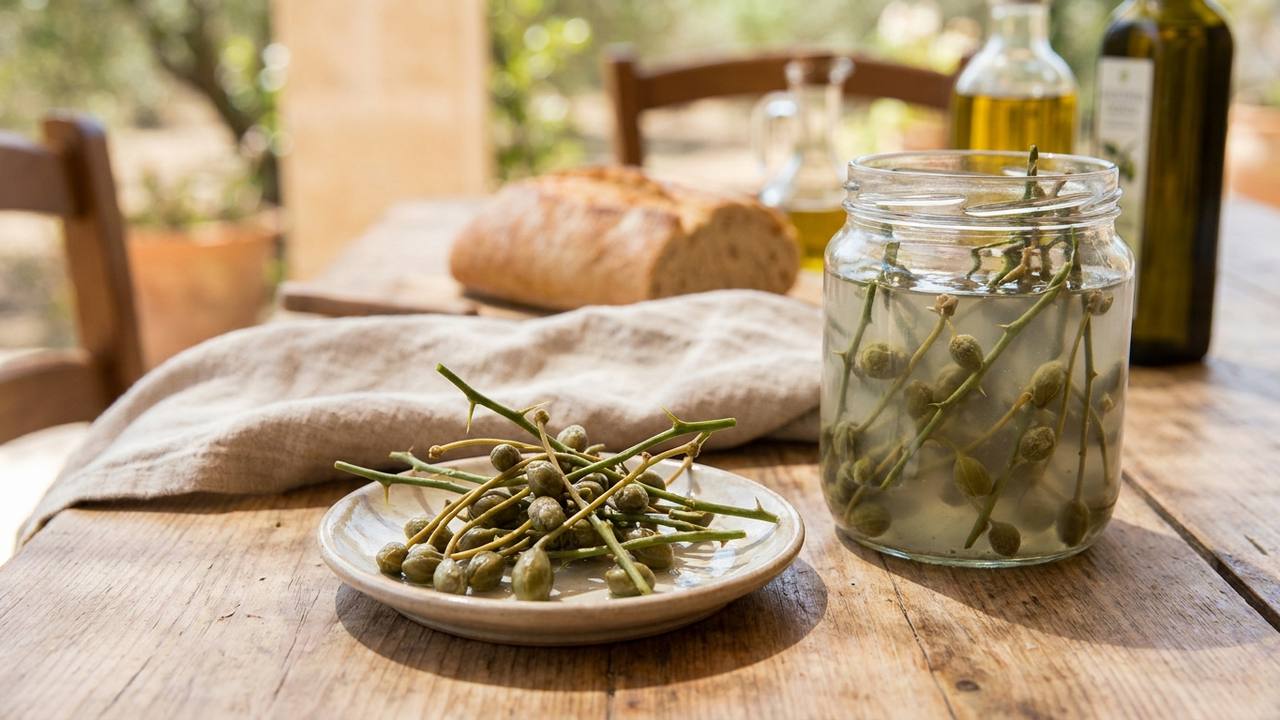
The thesis says people pickle gabbar (caper) buds together with the thorny branches, and that the salt and vinegar soften the thorns so they do not prick the mouth.
Source: i-rep.emu.edu.tr
AI visual concept Main dish
Bulgur köftesi
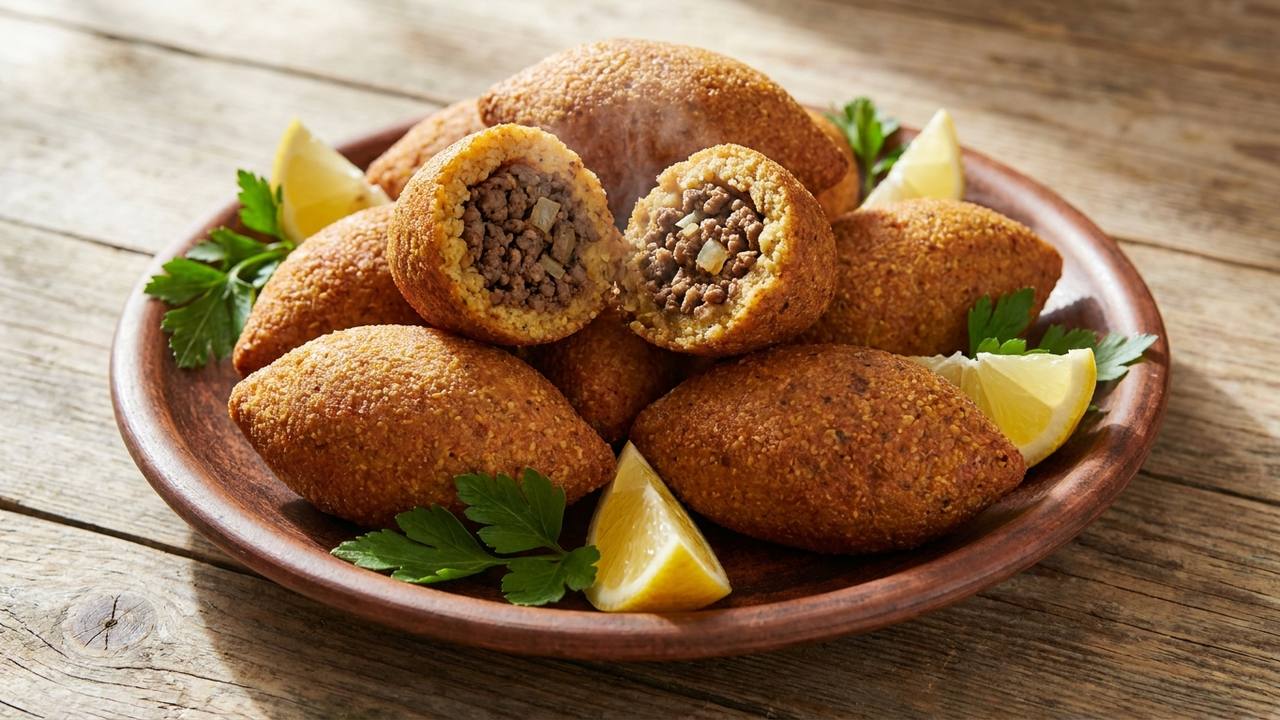
The thesis describes fine bulgur soaked in boiling water, shaped around a spiced mince and onion filling, fried and eaten with lemon. Hürriyet (2017) lists bulgur köftesi among meze.
Source: i-rep.emu.edu.tr
AI visual concept Main dish
Patates köftesi
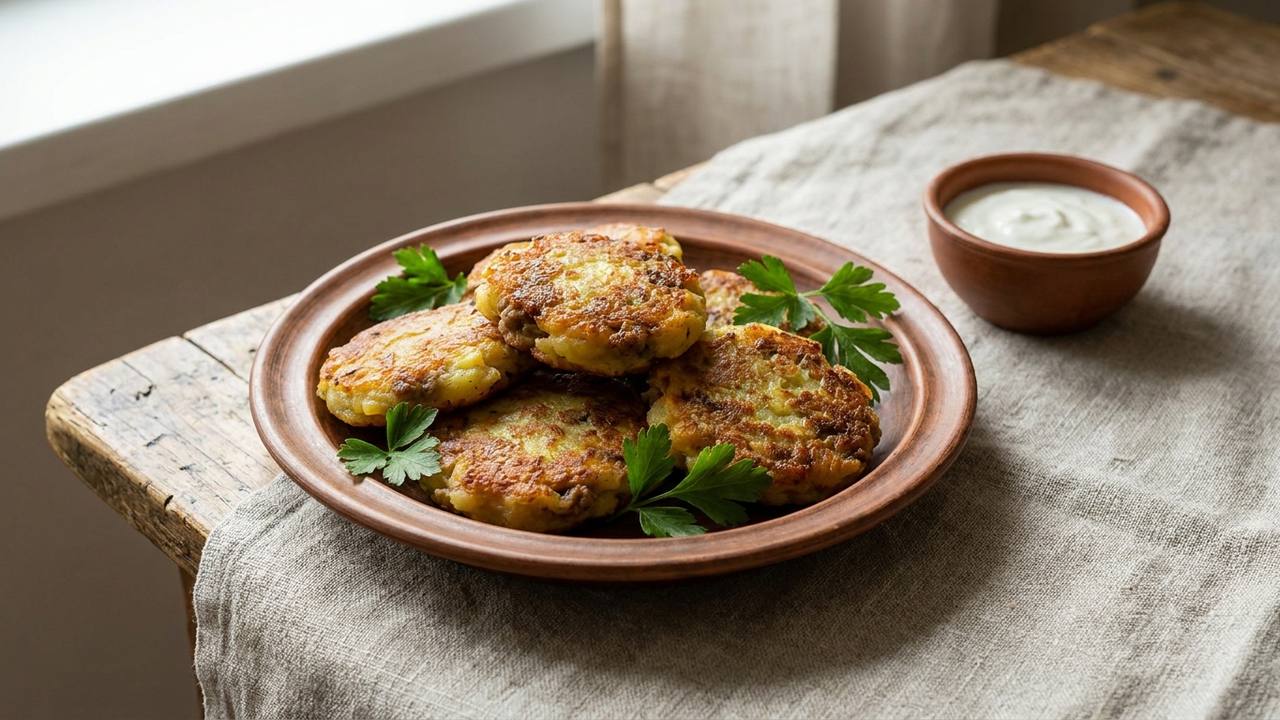
The thesis describes grated potato mixed with onion, parsley, mince, egg, spices and breadcrumbs, shaped into walnut-sized balls and cooked in oil on both sides.
Source: i-rep.emu.edu.tr
AI visual concept Meal tradition
Salatalar (salads)
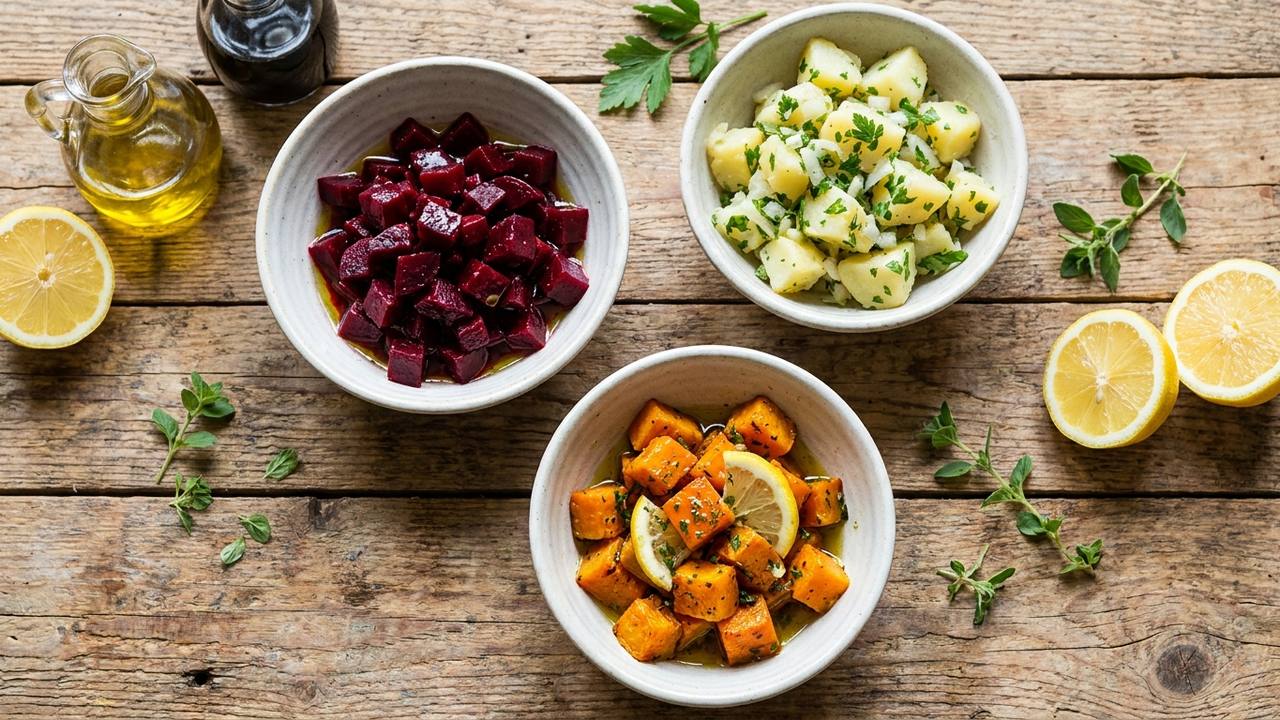
The thesis says salads are usually named after their main ingredient, for example beetroot, potato or pumpkin salad, and that lemon, vinegar and olive oil are used generously.
Source: i-rep.emu.edu.tr
1 / 9

Main dishes
The thesis classifies North Cyprus dishes by type, including meat dishes, herb and vegetable dishes, pasta, rice and wheat dishes. It reports that molehiya appears among the herb dishes recorded in every region it surveyed, and that şeftali kebabı appears in several of the regional meat-dish lists.
Visit North Cyprus and the thesis describe several dishes by method rather than by occasion. The thesis notes that people in Cyprus make kebab on Sundays and that şeftali kebabı is part of nearly every Sunday kebab, according to its interviewees and sources.
AI visual concept main dish
Şeftali kebabı (sheftalia)
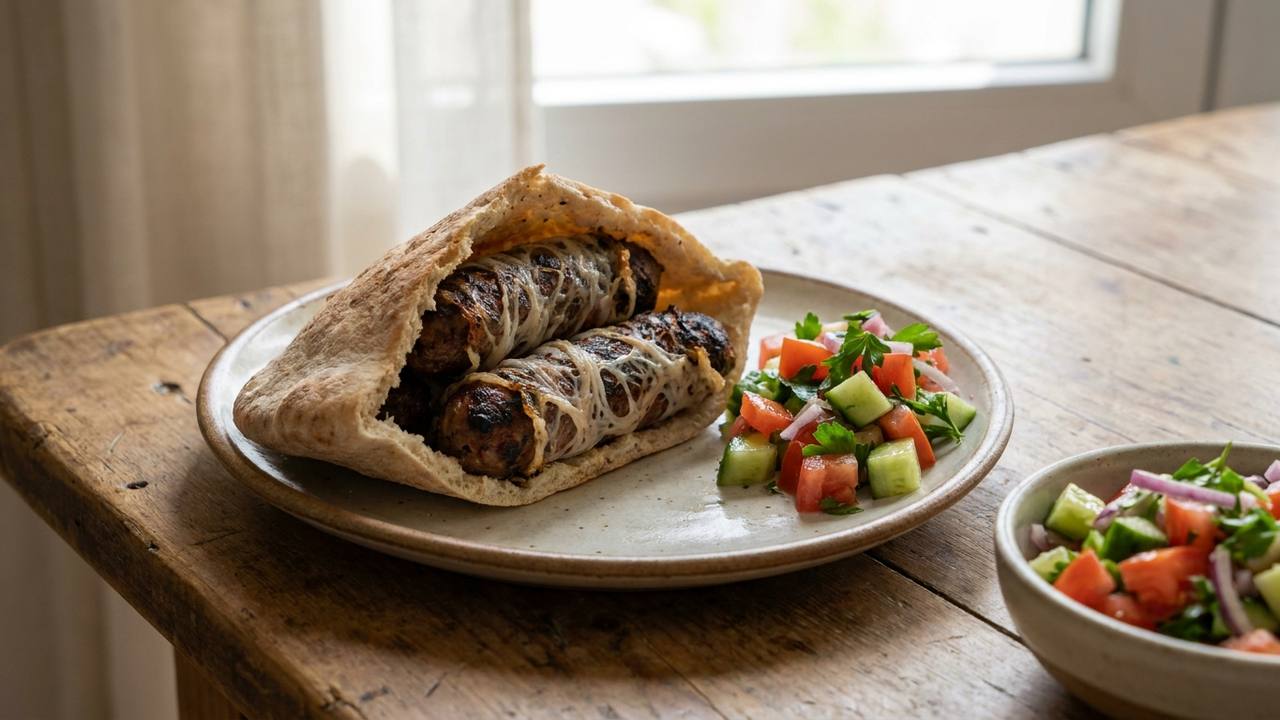
A Cypriot caul-fat sausage without casing. Sources name lamb, or sheep or goat, with beef or pork also reported, minced with chopped onion and parsley, wrapped in caul fat and grilled over charcoal. It contains no peaches. Visit North Cyprus describes it served in pitta with salad; the origin of the name is debated.
Source: visitncy.com
AI visual concept main dish
Molehiya (molohiya)
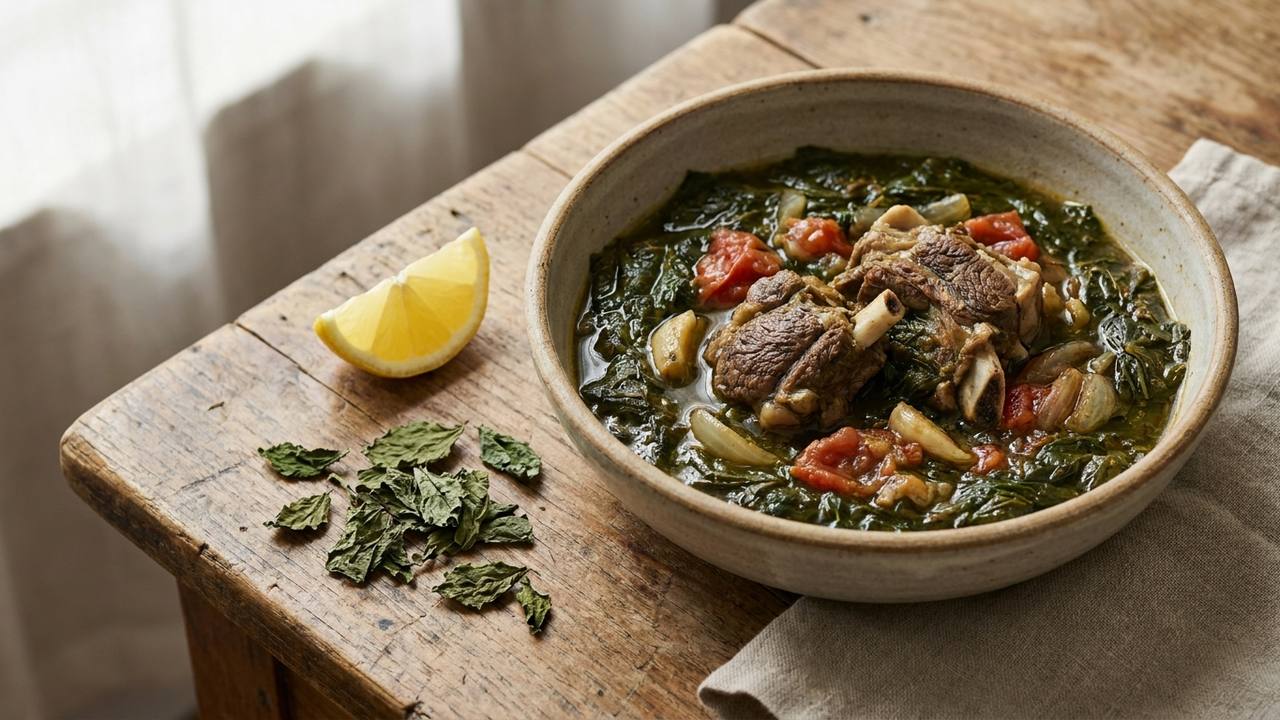
Visit North Cyprus describes leaves of Corchorus olitorius cooked with tomato, onion, garlic and lemon juice with lamb or chicken, usually at home; leaves are picked and dried in summer. A vegetarian version is mentioned.
Source: visitncy.com
AI visual concept main dish
Kolokas (kolakas, gölevez)
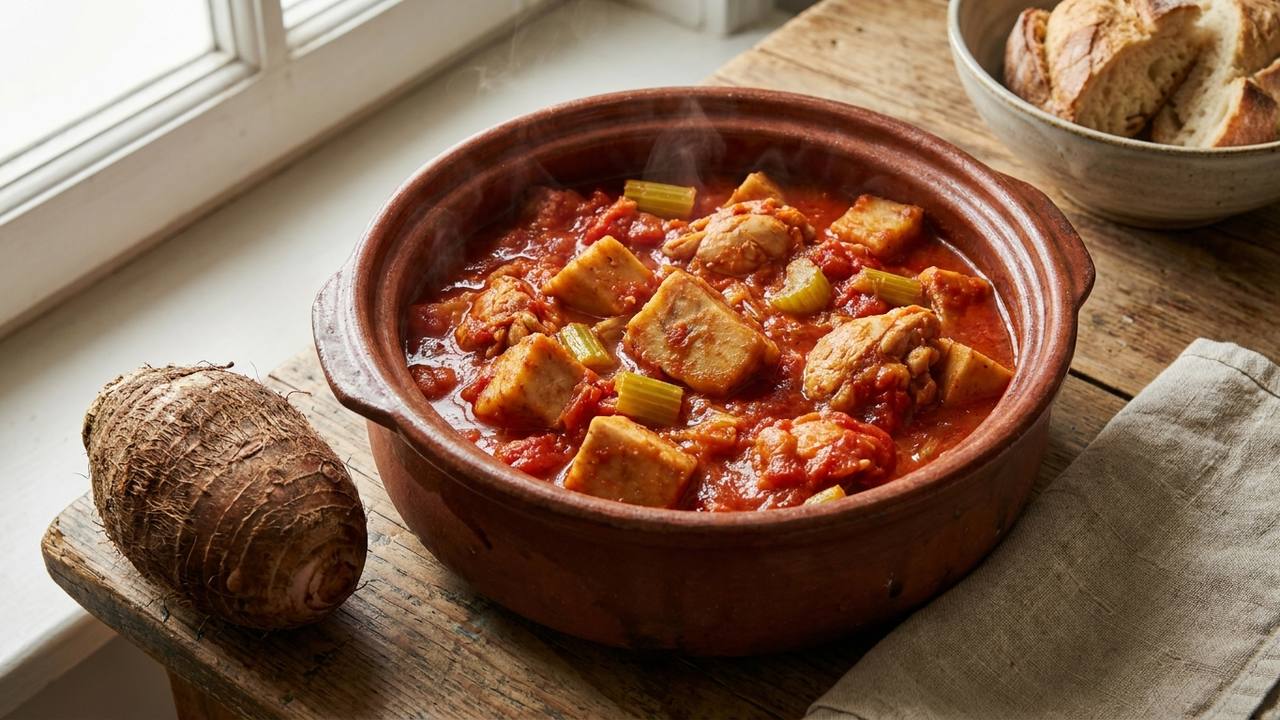
The thesis says people call the vegetable bullez when small and kolokas when large, and cook it with chicken or red meat. Visit North Cyprus describes taro cooked in tomato sauce or with meat, beans and chickpeas.
Source: visitncy.com
AI visual concept main dish
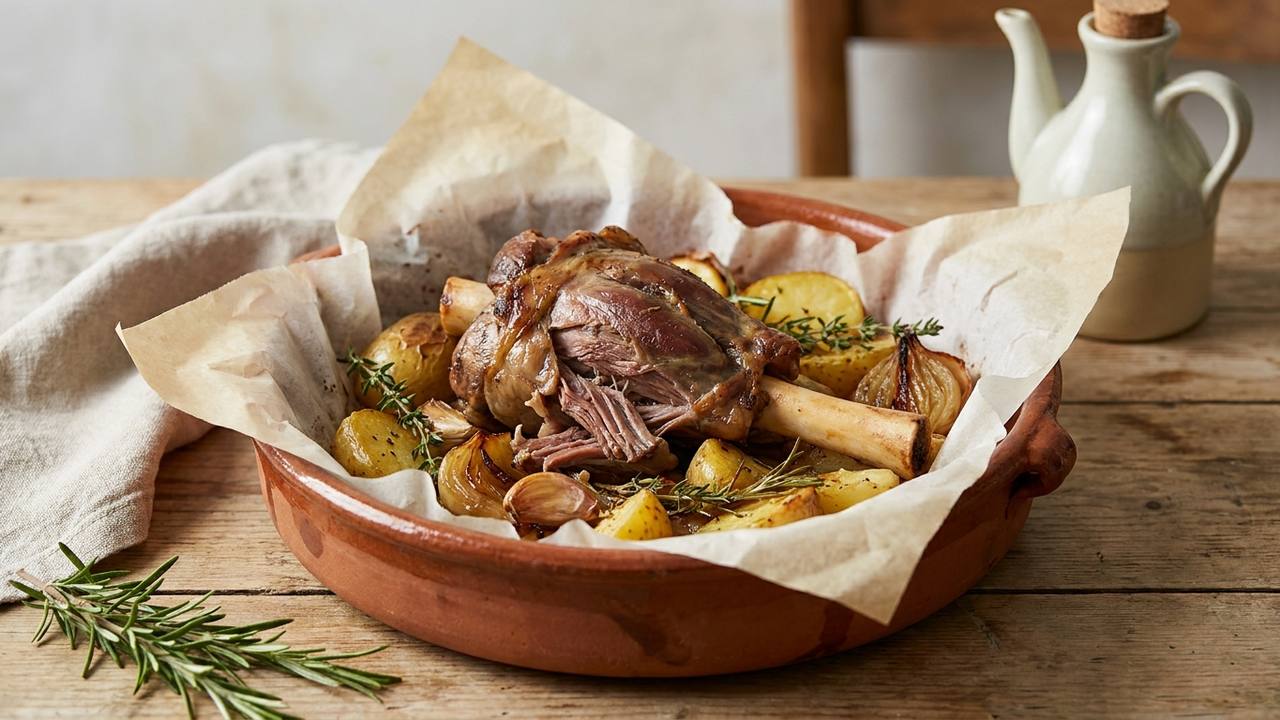
Hırsız kebabı (kleftiko) and küp kebabı
Yenidüzen (2013) describes hırsız kebabı, called kleftiko by Greek Cypriots, as lamb or kid cooked slowly in a sealed wood-fired clay oven for about two hours, with foil-sealed tray and clay-jar (küp) versions. Visit North Cyprus lists it as Kup Kebab (Kleftiko): lamb marinated in olive oil, garlic and herbs.
Source: yeniduzen.com
AI visual concept main dish
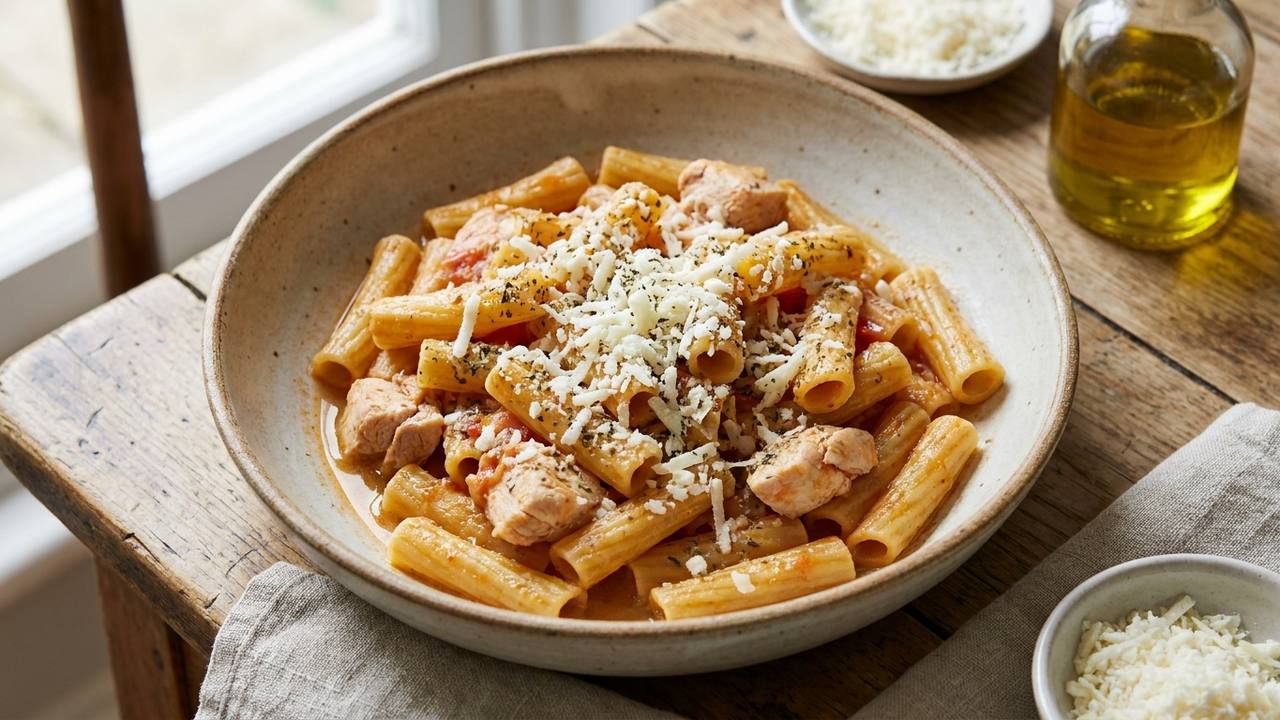
Magarına bulli (yahni makarna)
Yemek.com describes chicken pasta cooked in the chicken broth, topped with hellim and a chicken sauce that may be tomato- or lemon-based. The thesis gives onion, tomato and paste with dried mint; Visit North Cyprus lists it among warm meze.
Source: yemek.com
AI visual concept main dish
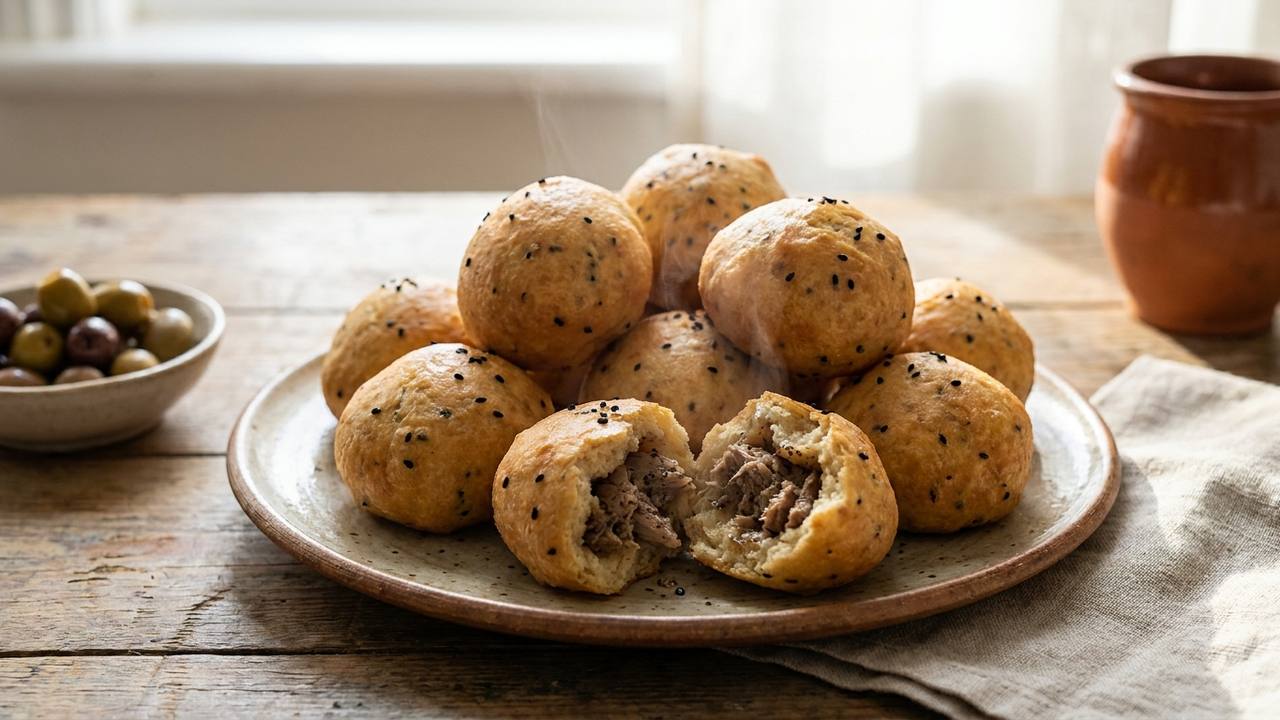
Lalangı
The thesis describes boiled, shredded hare meat mixed into a yeasted dough with flour, salt, black pepper and nigella seeds, shaped into balls larger than lokma and deep-fried, served hot or cold.
Source: i-rep.emu.edu.tr
AI visual concept main dish
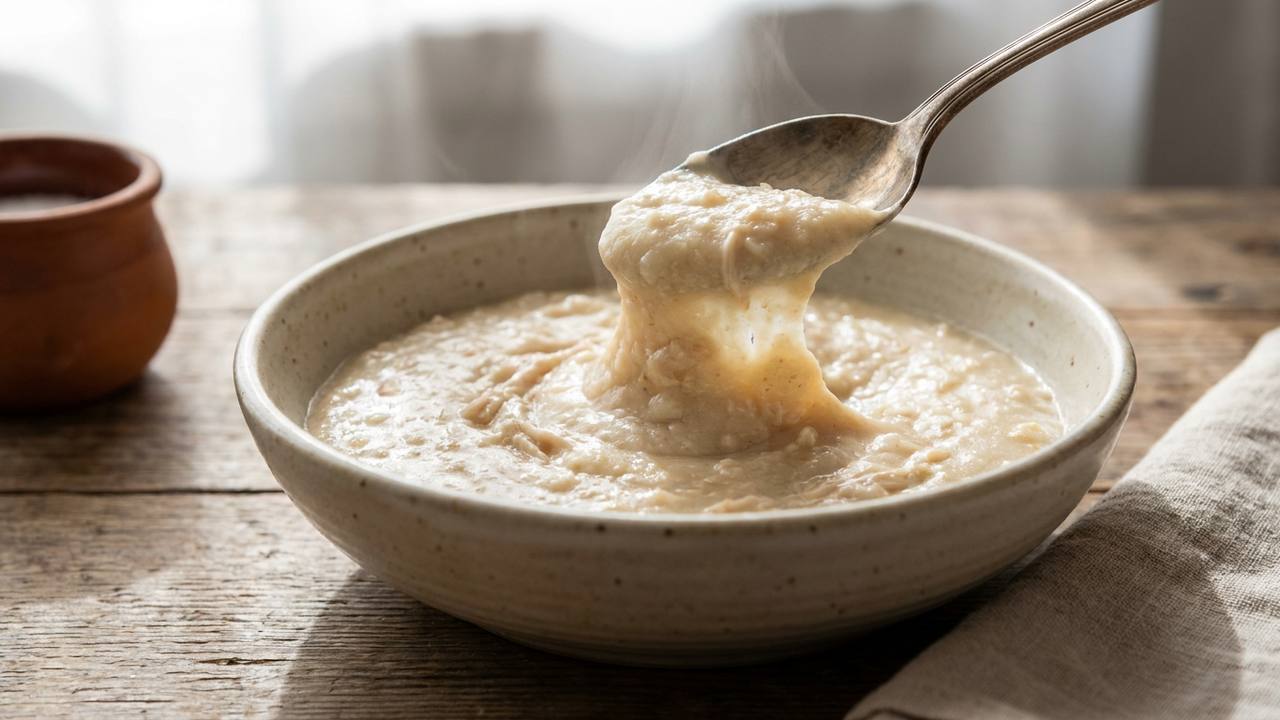
Herse
The thesis describes chicken boiled in plenty of water, shredded, then cooked with wheat in the broth and beaten until the chicken and wheat form an elastic mixture, served hot.
Source: i-rep.emu.edu.tr
AI visual concept main dish
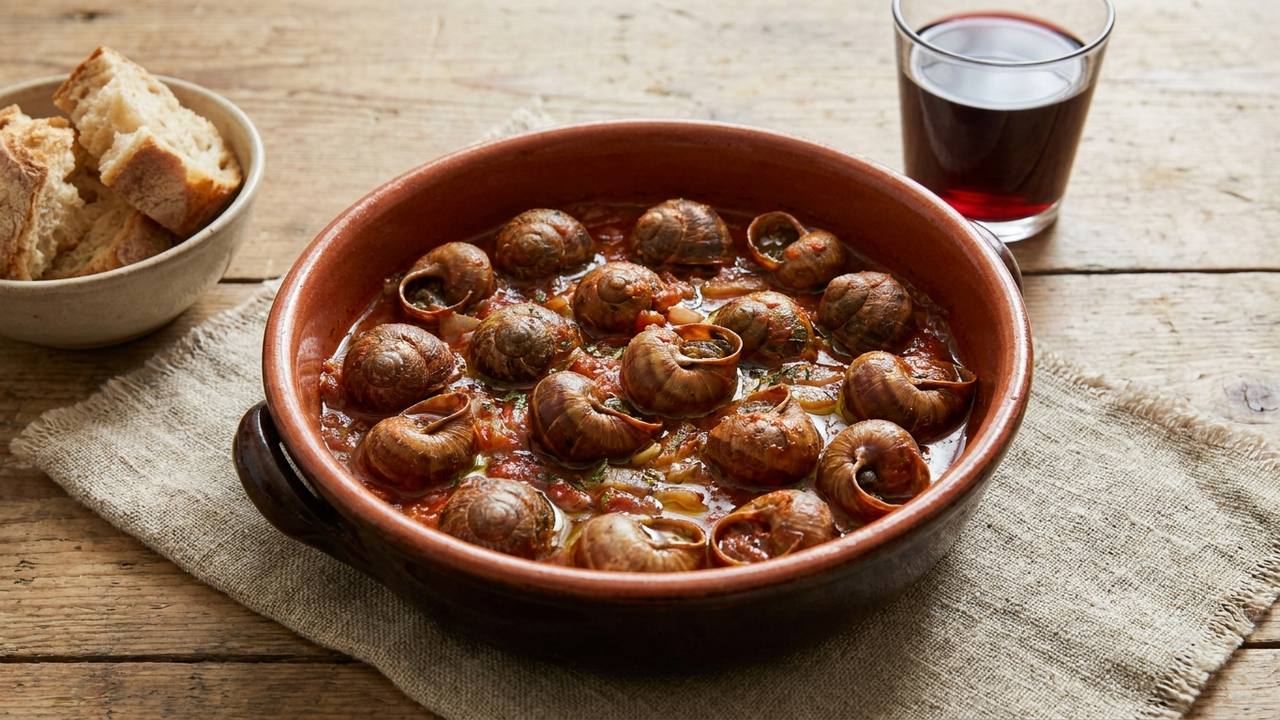
Garavolli (snails)
The thesis says garavolli are hand-collected in Karpaz Peninsula villages, cooked in kitchens and traded, with larger ones preferred. It adds that they are eaten especially as meze and used in rice and stew dishes.
Source: i-rep.emu.edu.tr
AI visual concept Main dish
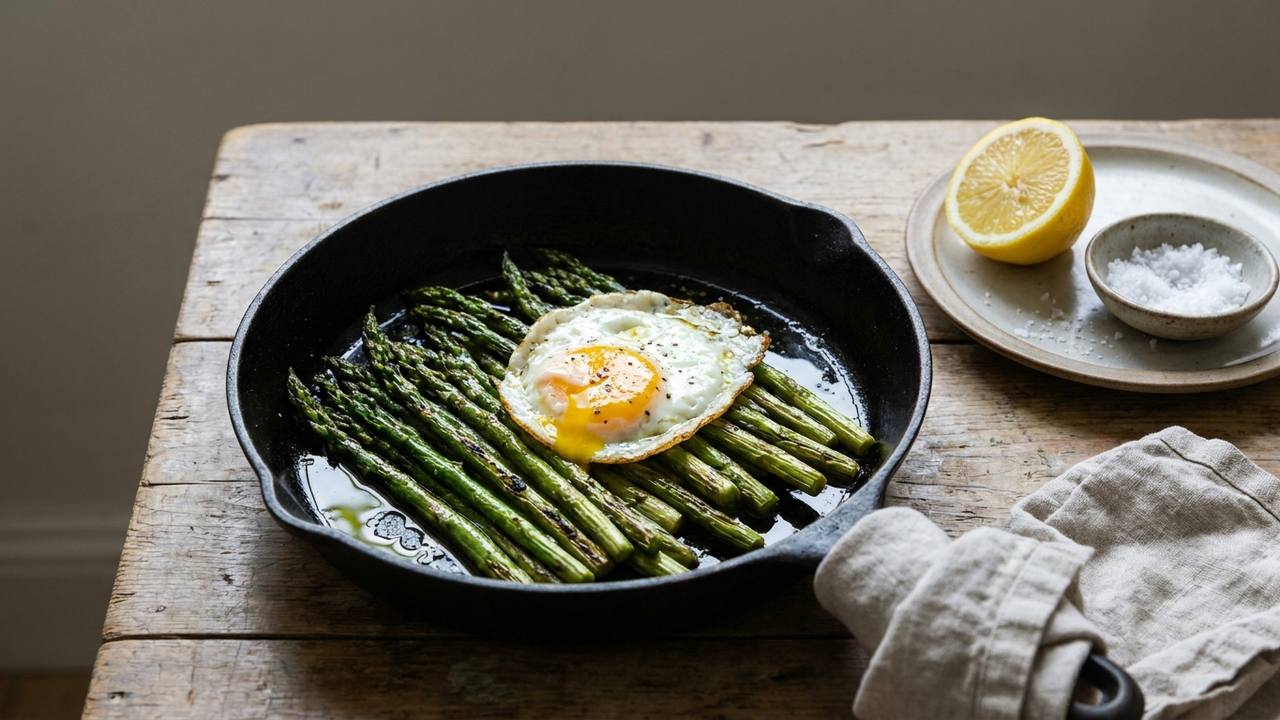
Ayrelli (wild asparagus)
Yemek.com describes ayrelli as asparagus fried in oil with an egg cracked over it and finished with lemon juice. The thesis adds that it is also served with garlic and olive oil as meze or pickled.
Source: yemek.com
AI visual concept Main dish
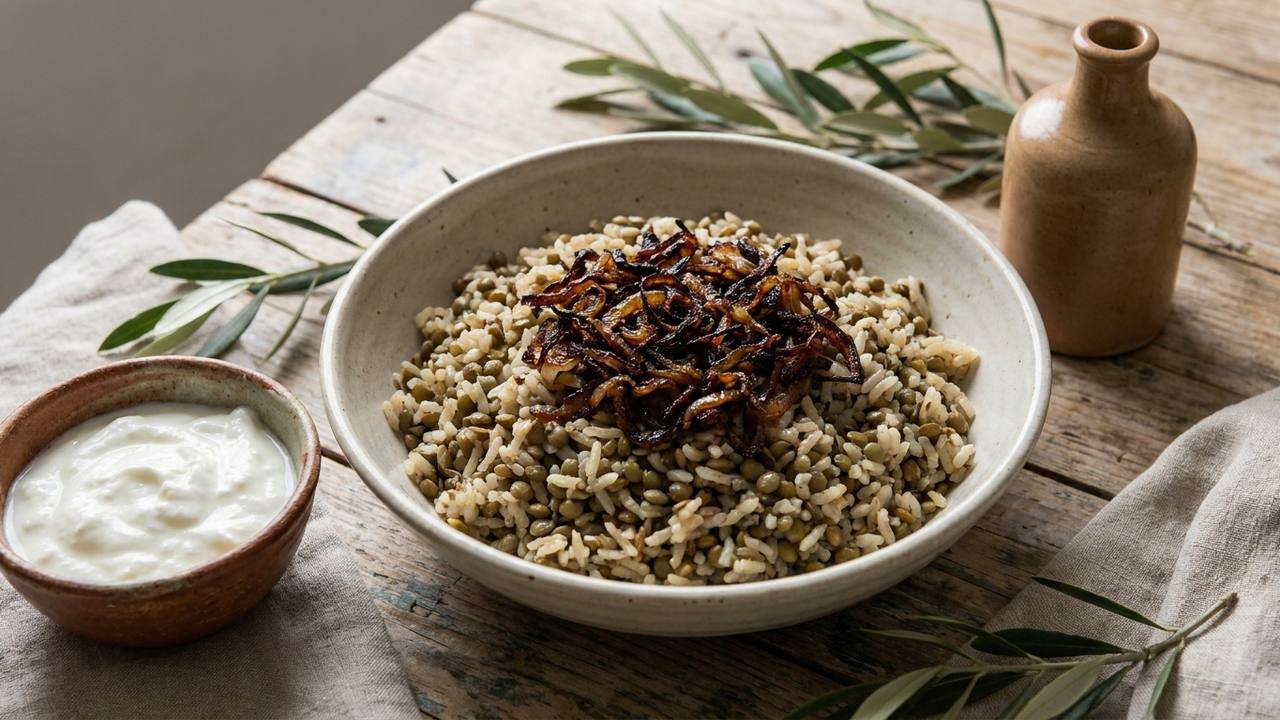
Mücendra pilavı
The thesis describes green lentils cooked until half done, then rice and chicken stock added, with browned onions stirred in at the end. Hürriyet (2017) lists mücandra pilavı among meze to try.
Source: i-rep.emu.edu.tr
AI visual concept Main dish
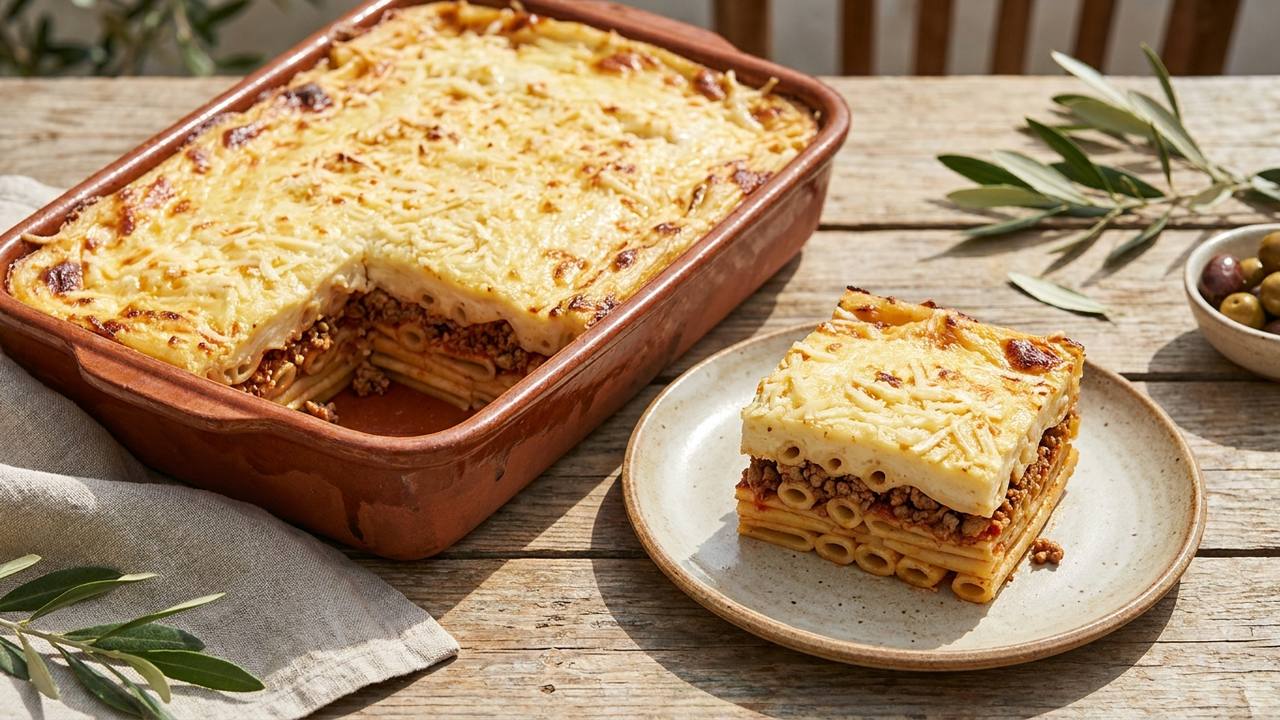
Fırın makarnası (oven pasta)
Hürriyet (2017) calls oven pasta a specialty and says traditional pastas were made by wrapping dough around reeds. In Your Pocket describes baked tubular pasta layered with spiced mince, tomato and cheese.
Source: hurriyet.com.tr
AI visual concept Main dish
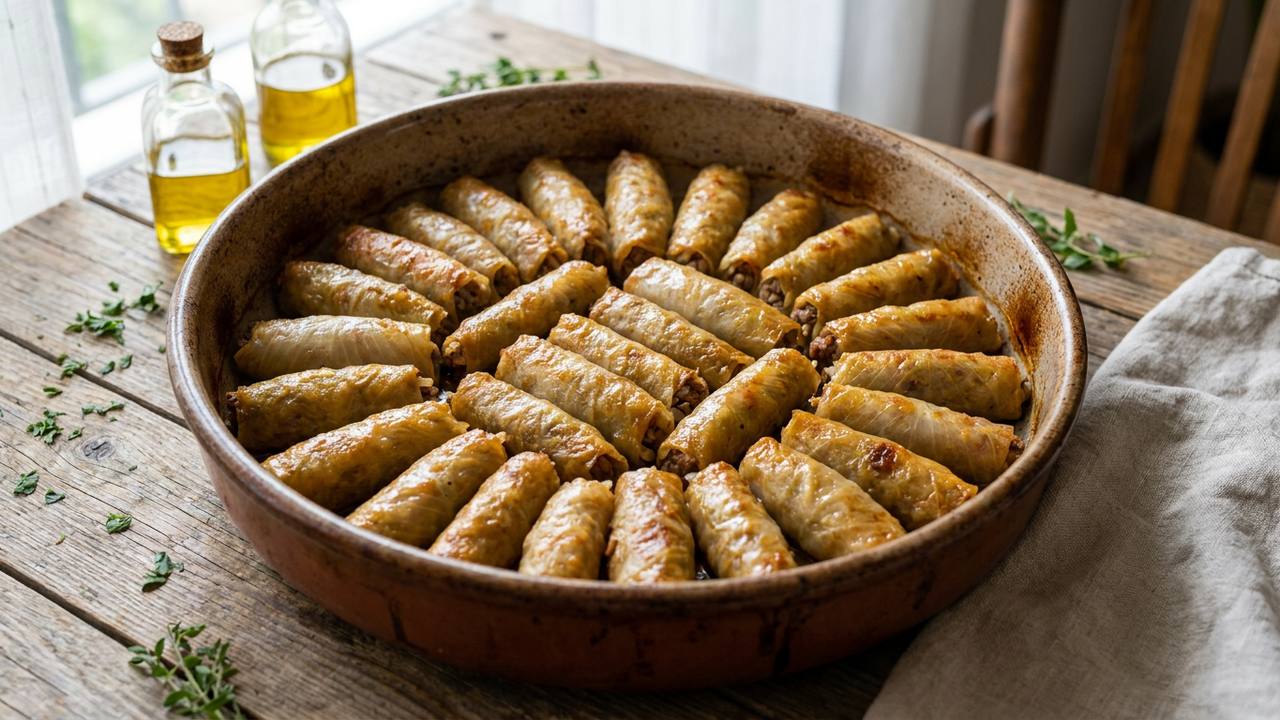
Soğan bastı
Enuygun (2023) describes onions stuffed with a mixture of minced meat, rice and spices, then fried.
Source: enuygun.com
AI visual concept Main dish
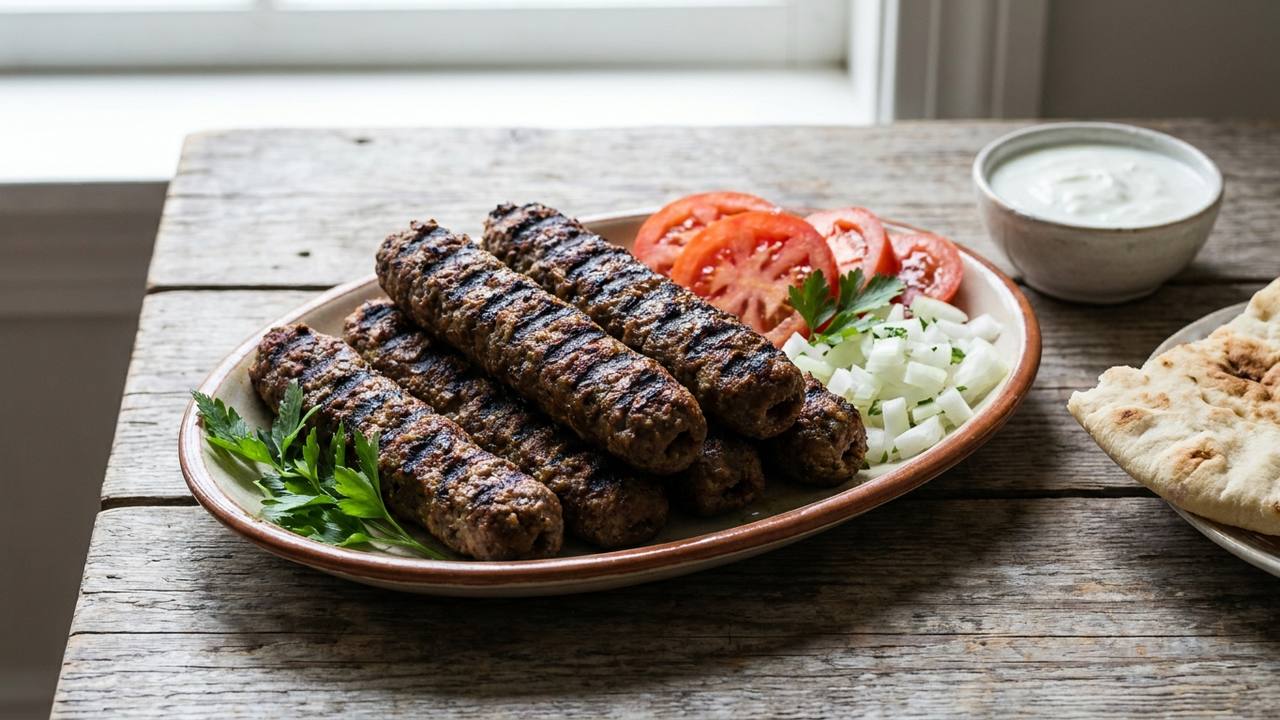
Kıbrıs köftesi
Enuygun (2023) describes a charcoal-grilled köfte, usually a long cylinder, made by adding potato or bread to the mince.
Source: enuygun.com
AI visual concept Main dish
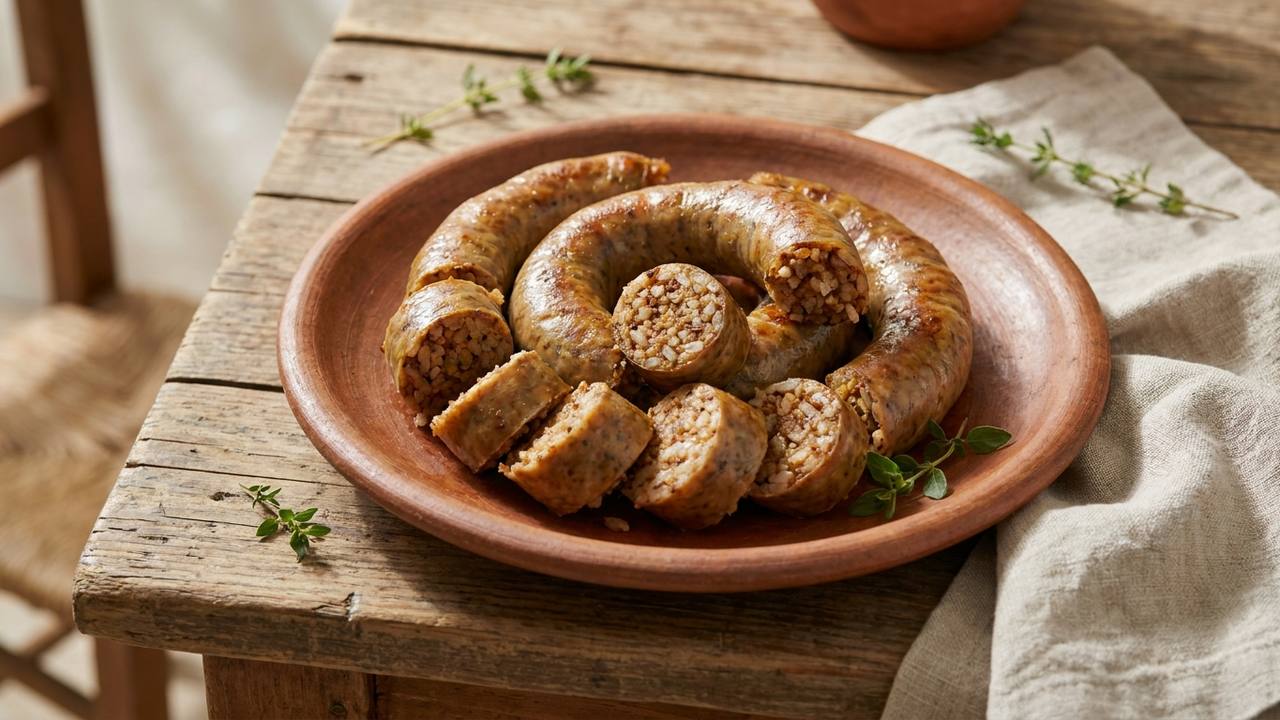
Bumbar (bumbar dolması)
In Your Pocket describes a sausage of rice, onion and spices filled into sheep's intestine and cooked slowly, noting it is labour-intensive. Hürriyet (2017) names bumbar dolması among local dishes.
Source: inyourpocket.com
AI visual concept Main dish
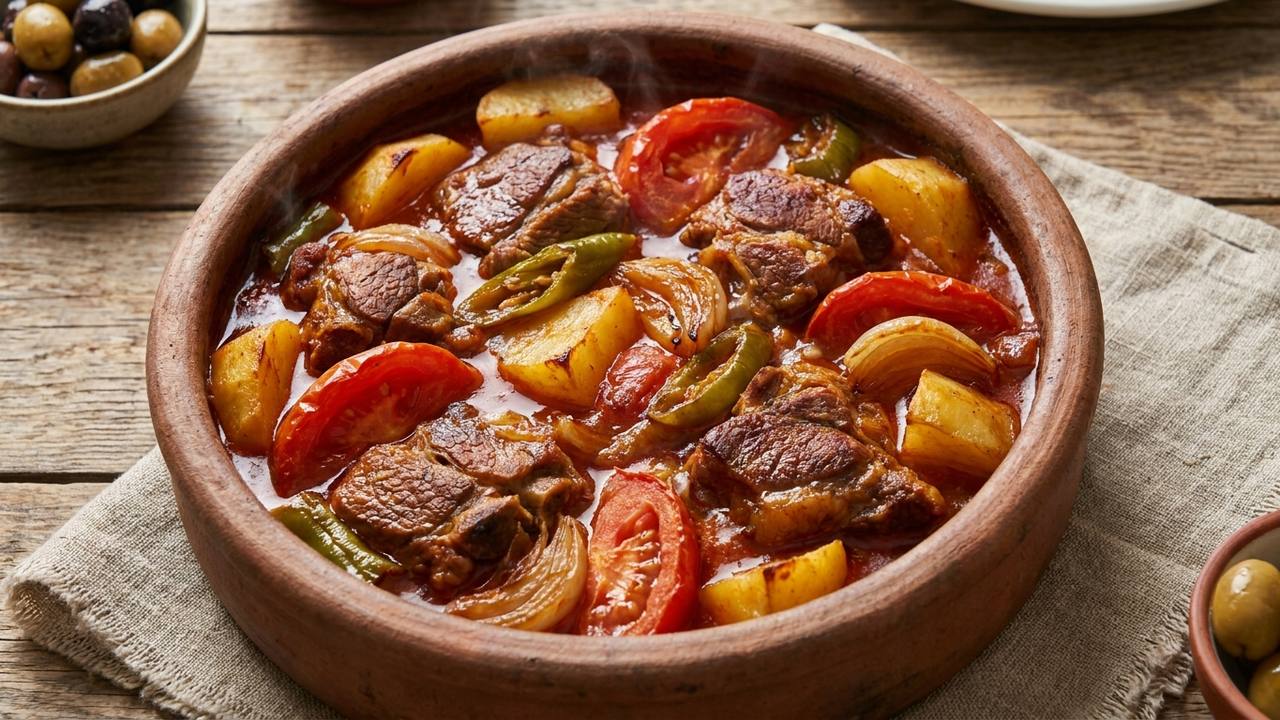
Fırın tava
Enuygun (2023) describes lamb baked with potato, onion, tomato and pepper in a sauce, made for holidays and weddings.
Source: enuygun.com
AI visual concept Main dish
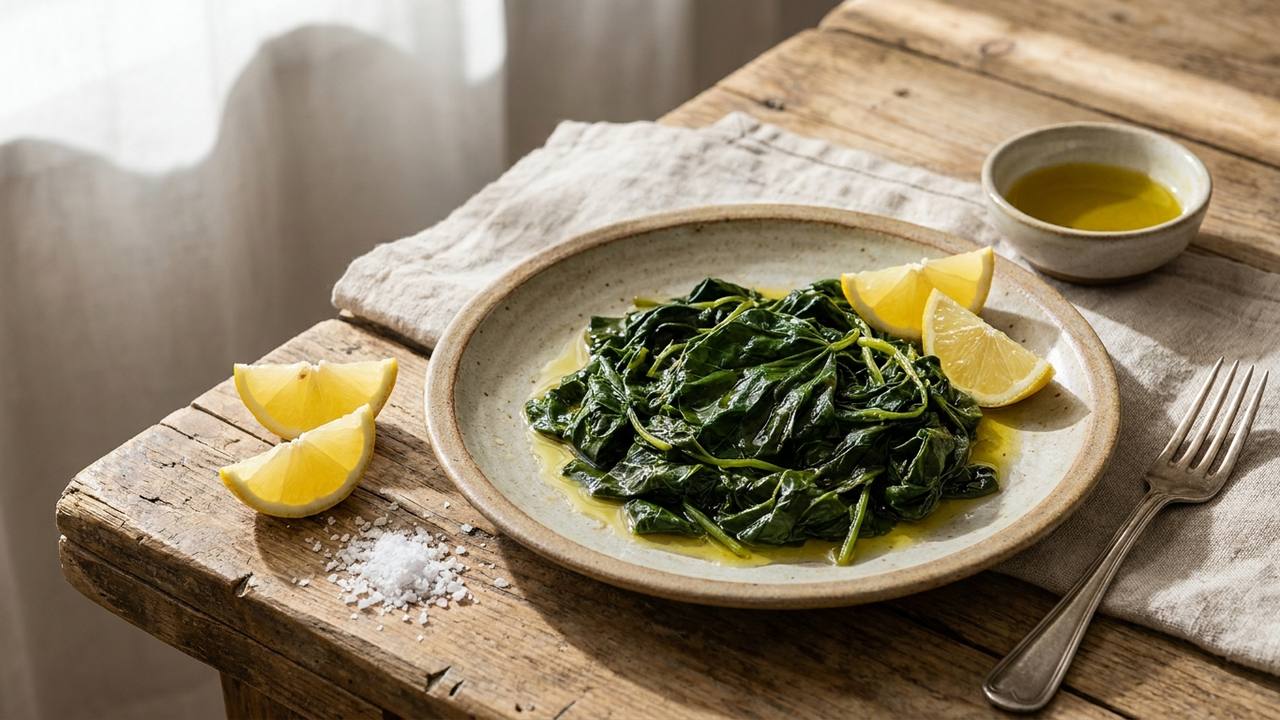
Gömeç yemeği (mallow)
The thesis describes the leaves of smooth mallow (gömeç) boiled and dressed with lemon juice, olive oil and salt, or fried with onion and egg for breakfast.
Source: i-rep.emu.edu.tr
AI visual concept Main dish
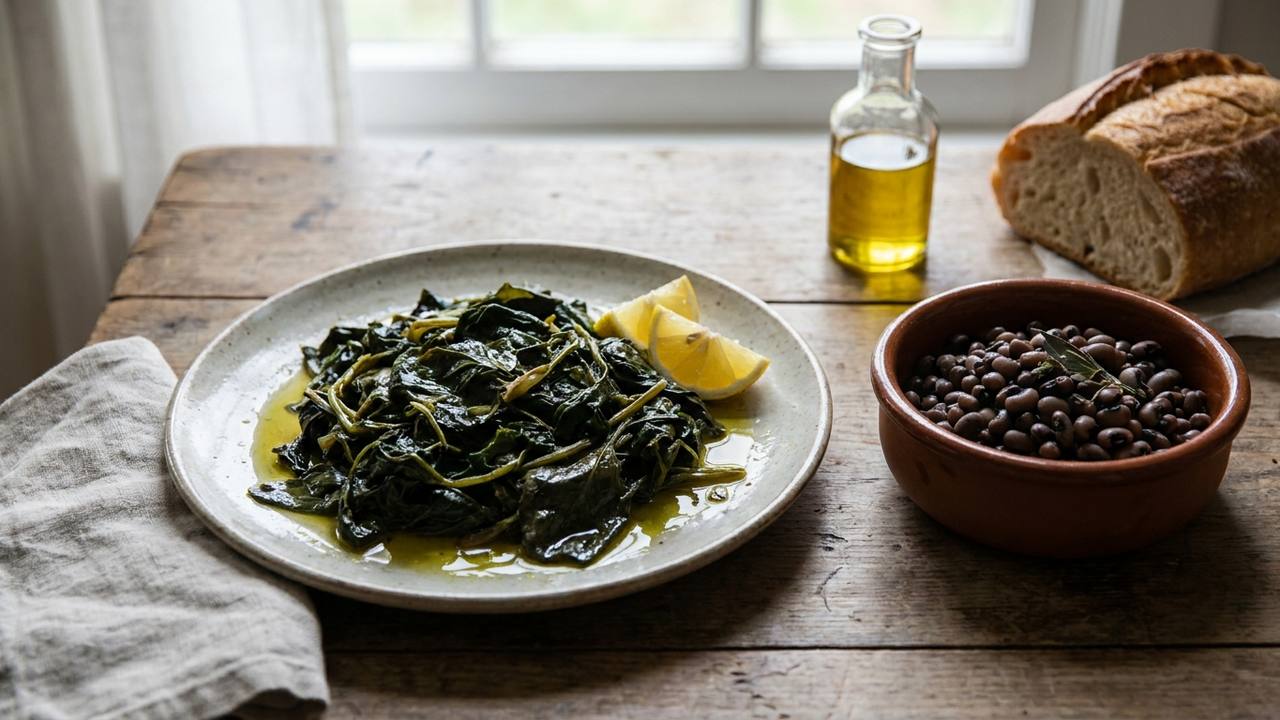
Kazayağı (mangallo)
The thesis describes a winter plant boiled and dressed with lemon and olive oil, added to börülce or broad-bean dishes, and also pickled.
Source: i-rep.emu.edu.tr
AI visual concept Main dish
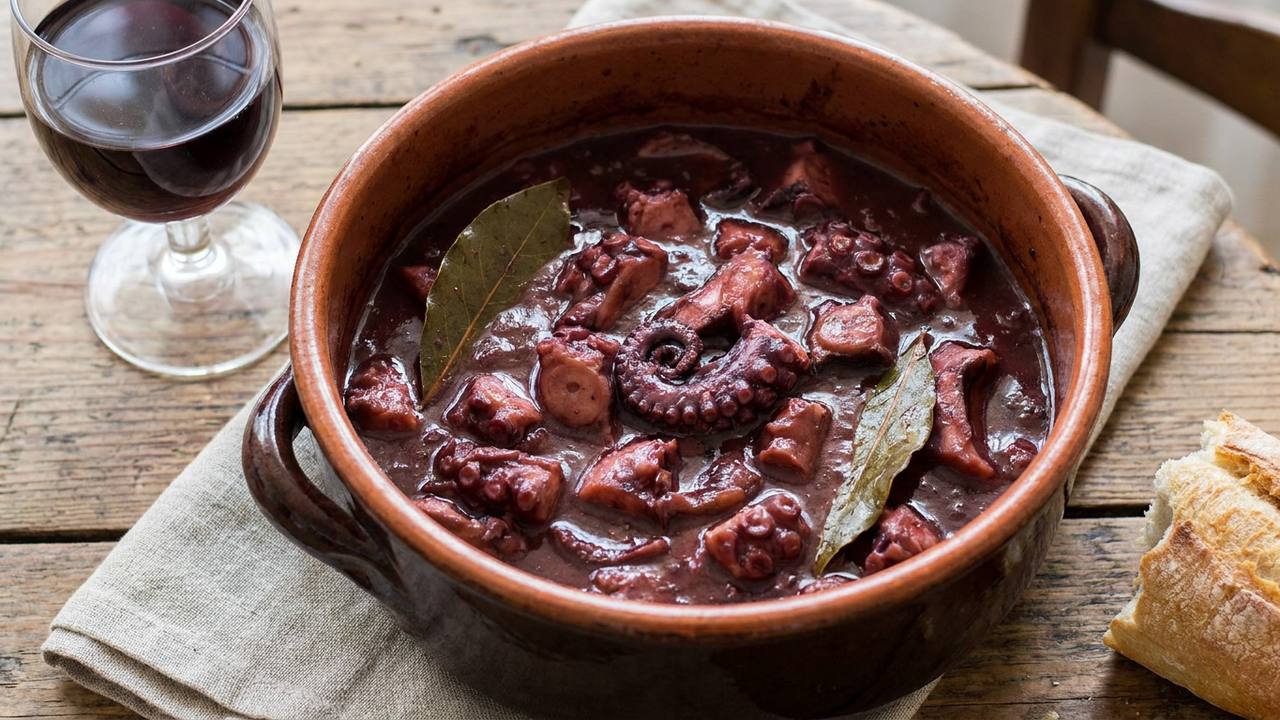
Şaraplı ahtapot
The thesis describes octopus beaten, cut up and cooked slowly with olive oil, wine and spices for about an hour; it also lists an octopus stew with onion, garlic, tomato, wine and bay.
Source: i-rep.emu.edu.tr
AI visual concept Meal tradition
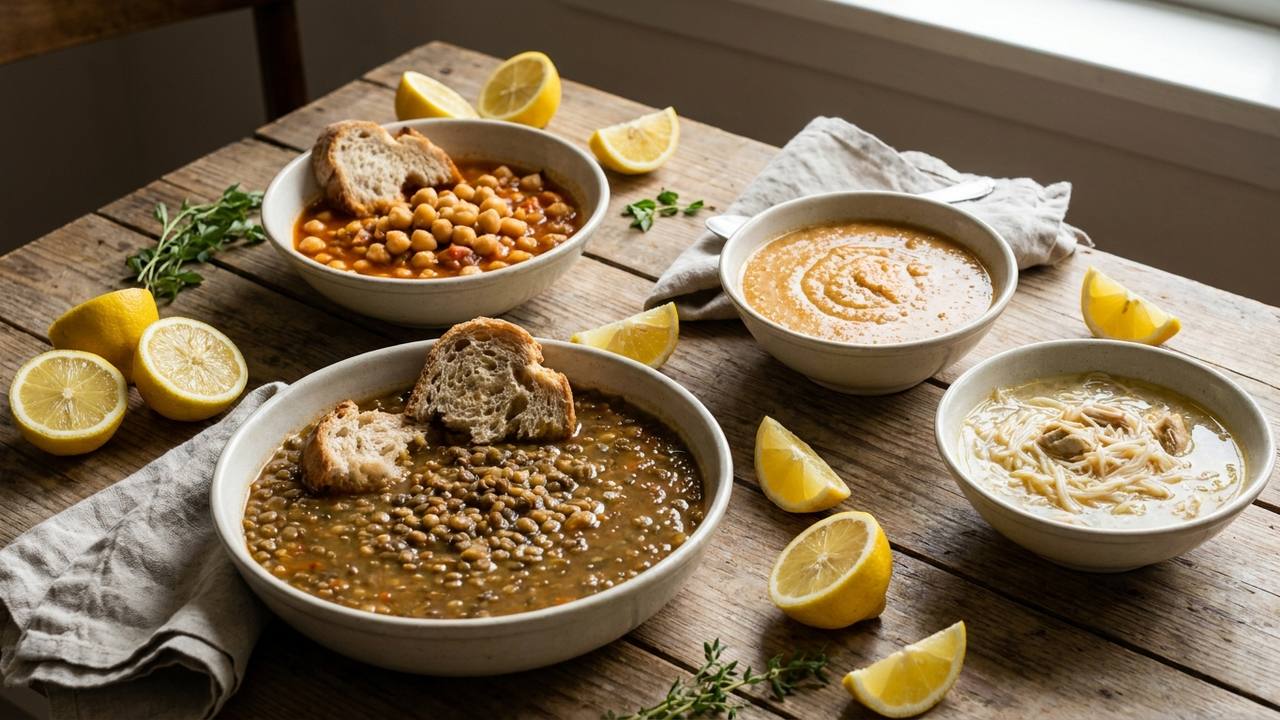
Çorbalar (soups)
The thesis lists soups such as tarhana, chickpea (humus), lamb-head (paça), partridge, lentil, vermicelli and chicken-vegetable, and says people usually cut bread into soup and add plenty of lemon.
Source: i-rep.emu.edu.tr
AI visual concept Local product
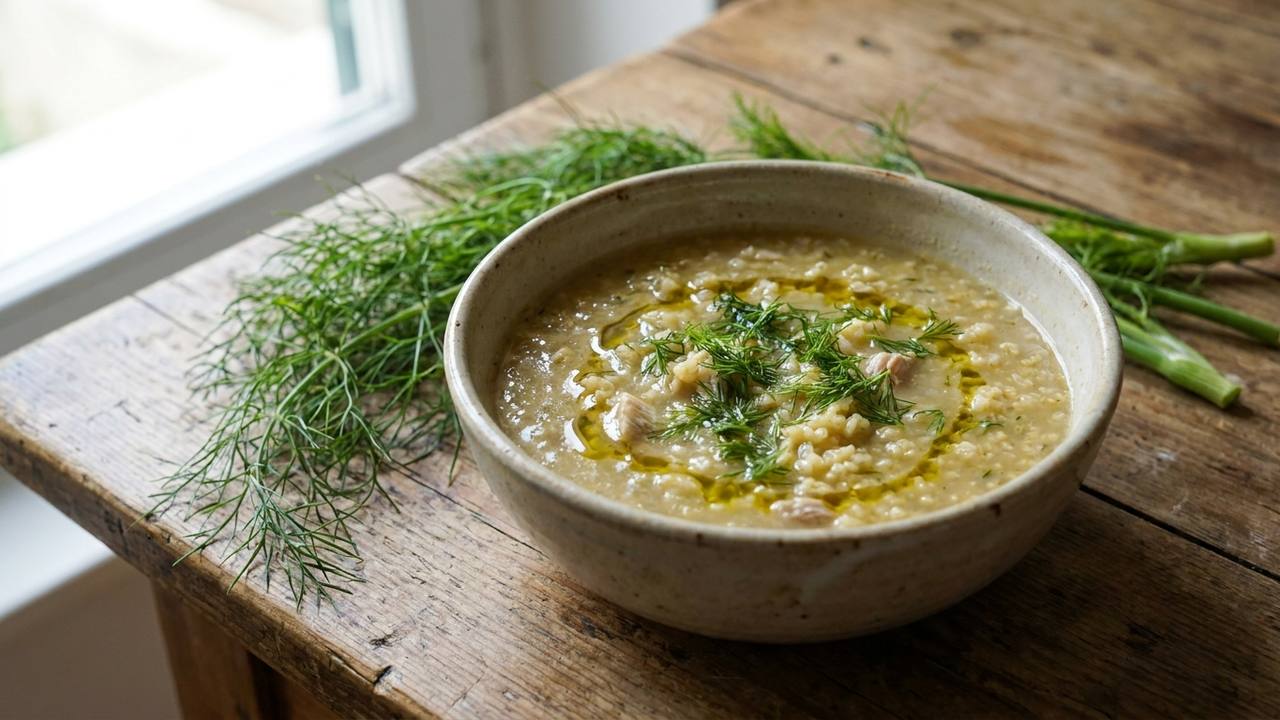
Maraho (wild fennel)
The thesis says maraho is used for aroma in çakıstes olives and as the main ingredient of a soup with bulgur, onion, chicken stock and olive oil, and also appears in pumpkin pastry.
Source: i-rep.emu.edu.tr
1 / 20

Savoury pastries and breads (börek and similar)
The thesis lists a group of Cypriot dough dishes, including hellim böreği, pirohu, dilihdi, şebasti and pilavuna. It notes that stone ovens were once built in house yards and that, today, they remain in use mainly in villages. Recipes are summarised below as the sources give them, without quantities.
Visit North Cyprus describes hellimli and pilavuna as pastries made with hellim, and says bakeries across the island sell hellimli. The thesis explains that the same yeasted dough can be baked flat as bidda or rolled into loaves called bulla, with the same ingredients and different cuts.
AI visual concept pastry
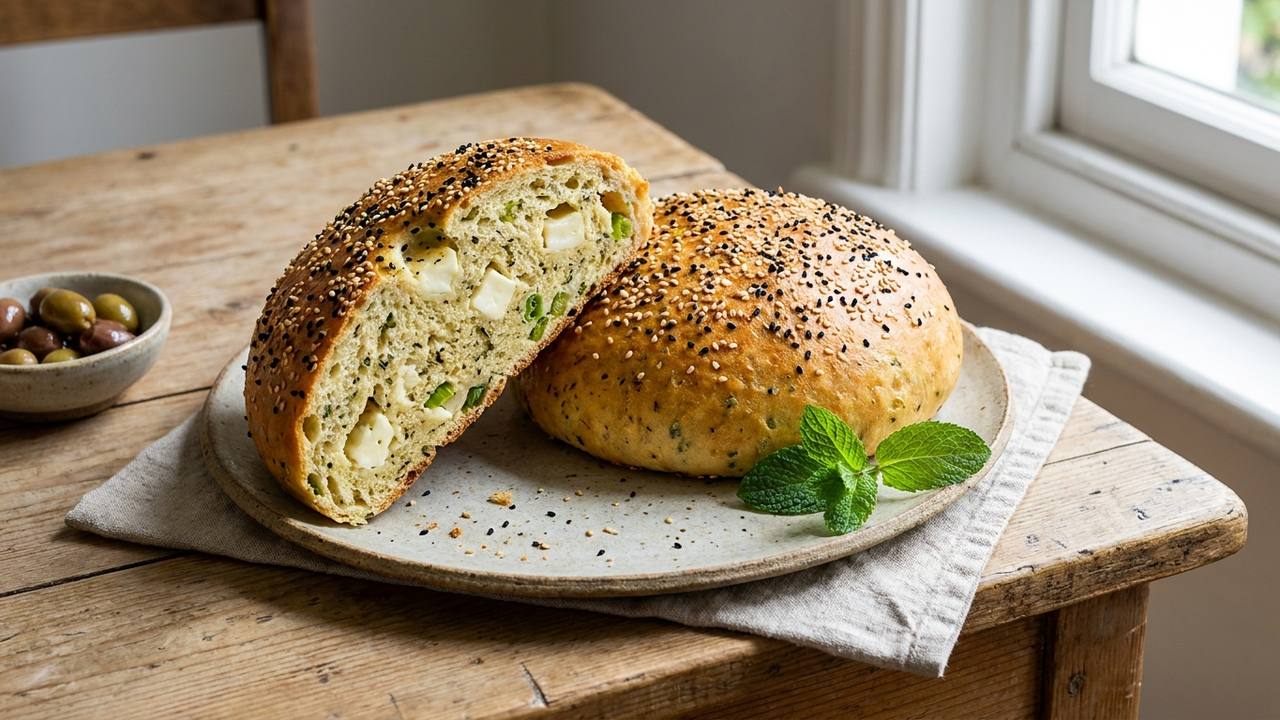
Hellimli
Visit North Cyprus describes a bread-style savoury pastry of flour, water, salt, butter and olive oil, enriched with onions, mint and diced hellim, topped with sesame and nigella seeds and baked in a clay oven.
Source: visitncy.com
AI visual concept pastry
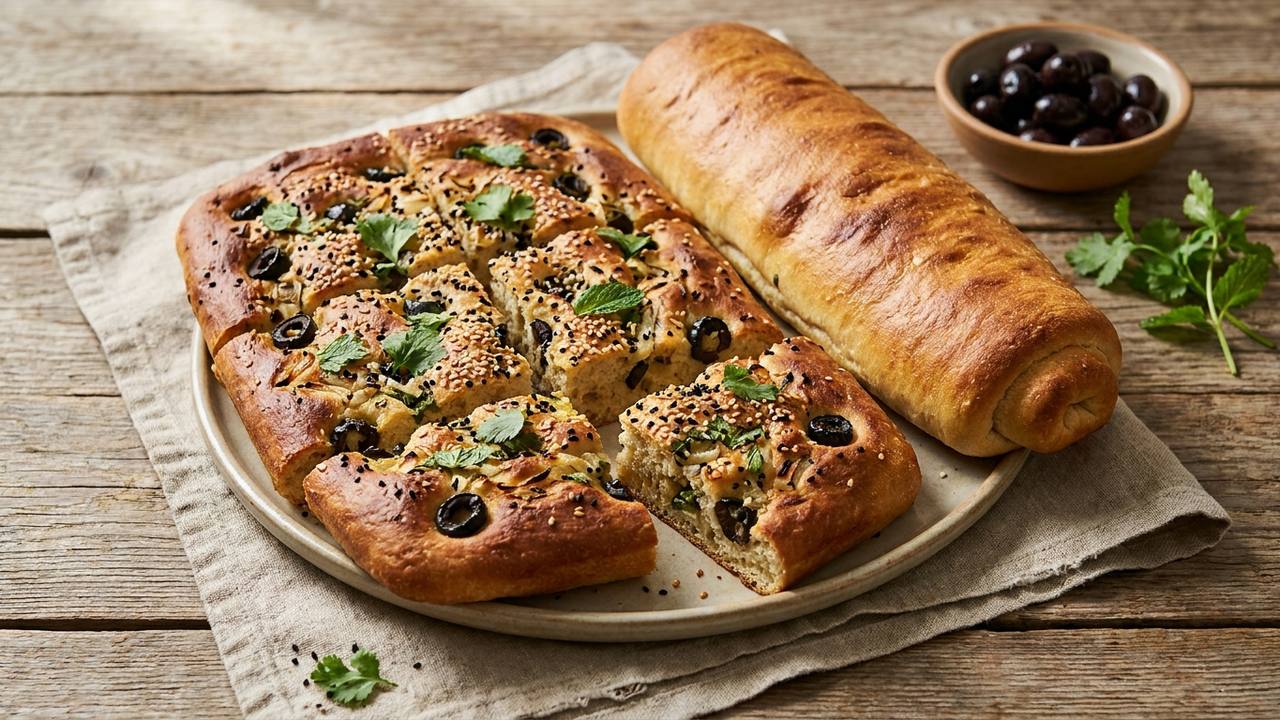
Zeytinli bidda, hellimli bidda and bulla
The thesis says the yeasted dough is spread over a tray as bidda or rolled and baked as "bulla". Fillings include dry onion, fresh coriander, mint, black olives and hellim, topped with sesame and nigella seeds.
Source: i-rep.emu.edu.tr
AI visual concept pastry
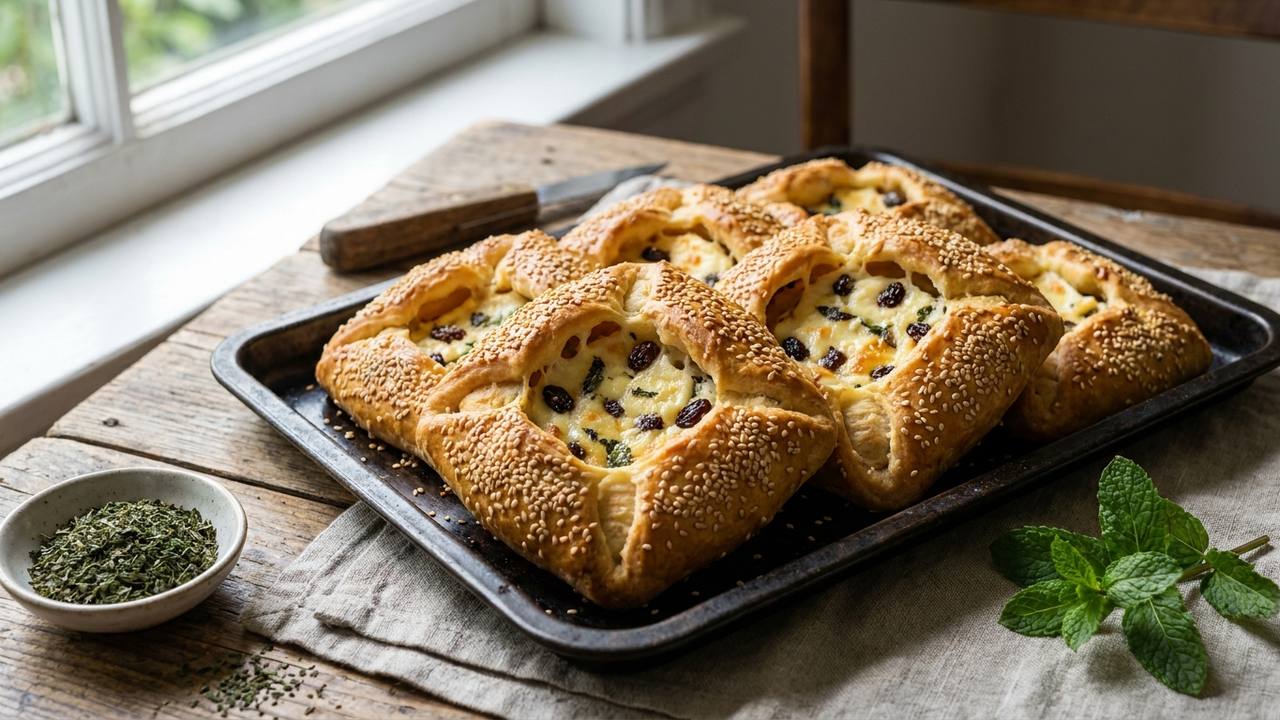
Pilavuna
The thesis describes a yeasted dough of egg, yogurt and oil, filled with grated hellim, semolina, egg, raisins and dried mint, then topped with sesame and nigella seeds. Visit North Cyprus says recipes vary by region.
Source: visitncy.com
AI visual concept pastry
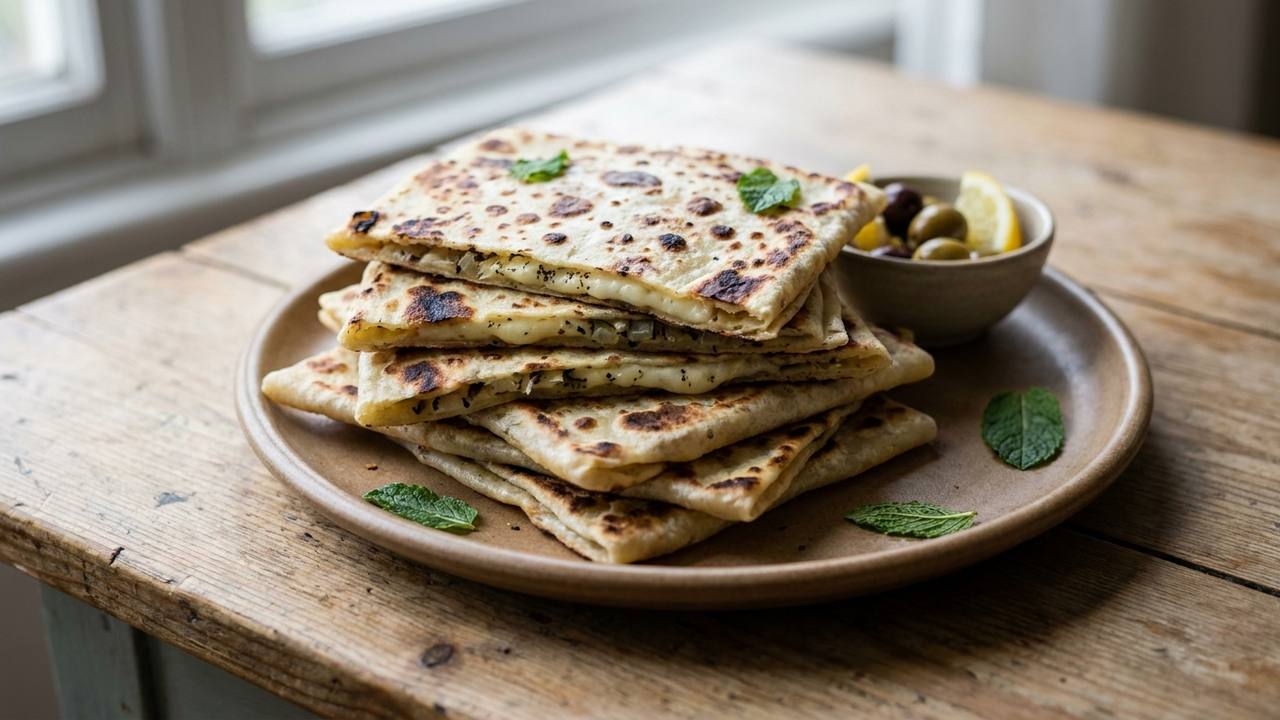
Hellim böreği
The thesis describes thin dough filled with grated hellim, dried mint and softened onion, cut into squares and cooked on a hot griddle (saç) until browned on both sides.
Source: i-rep.emu.edu.tr
AI visual concept pastry
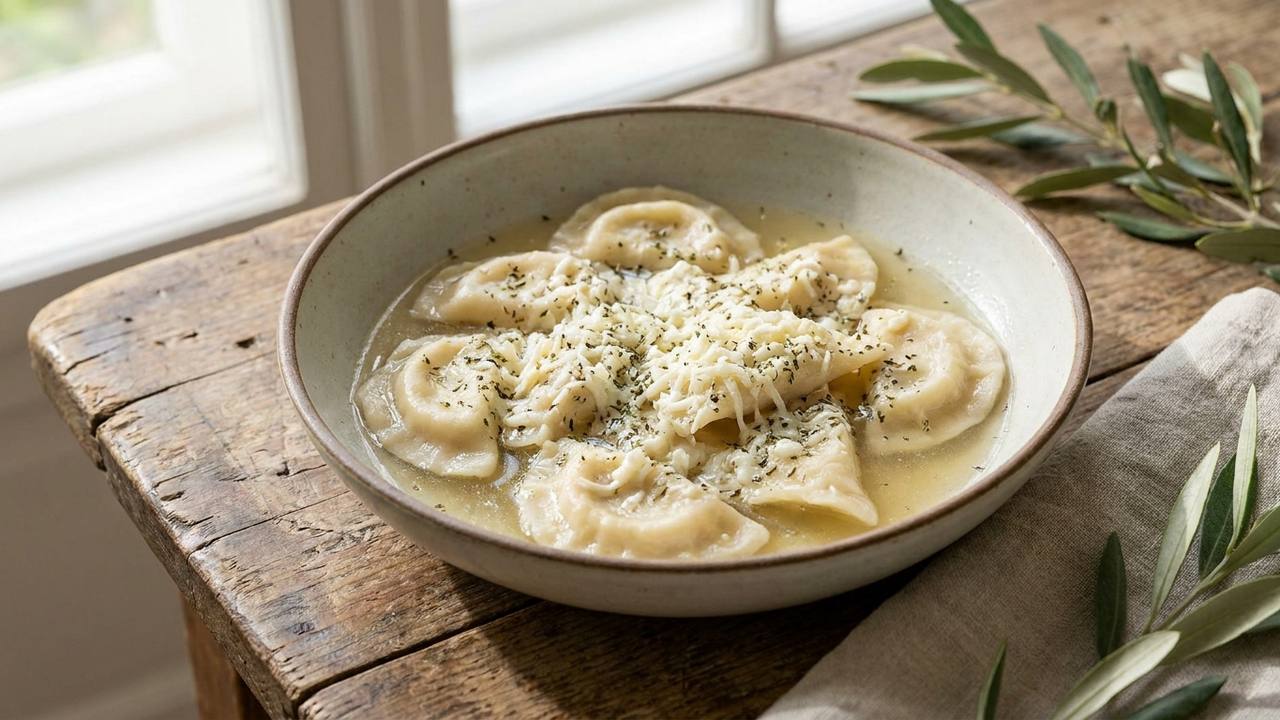
Pirohu (purohi)
The thesis describes half-moon dumplings filled with salted nor cheese and mint, boiled in chicken stock for about 20 minutes, then served with grated hellim and dried mint.
Source: i-rep.emu.edu.tr
AI visual concept pastry
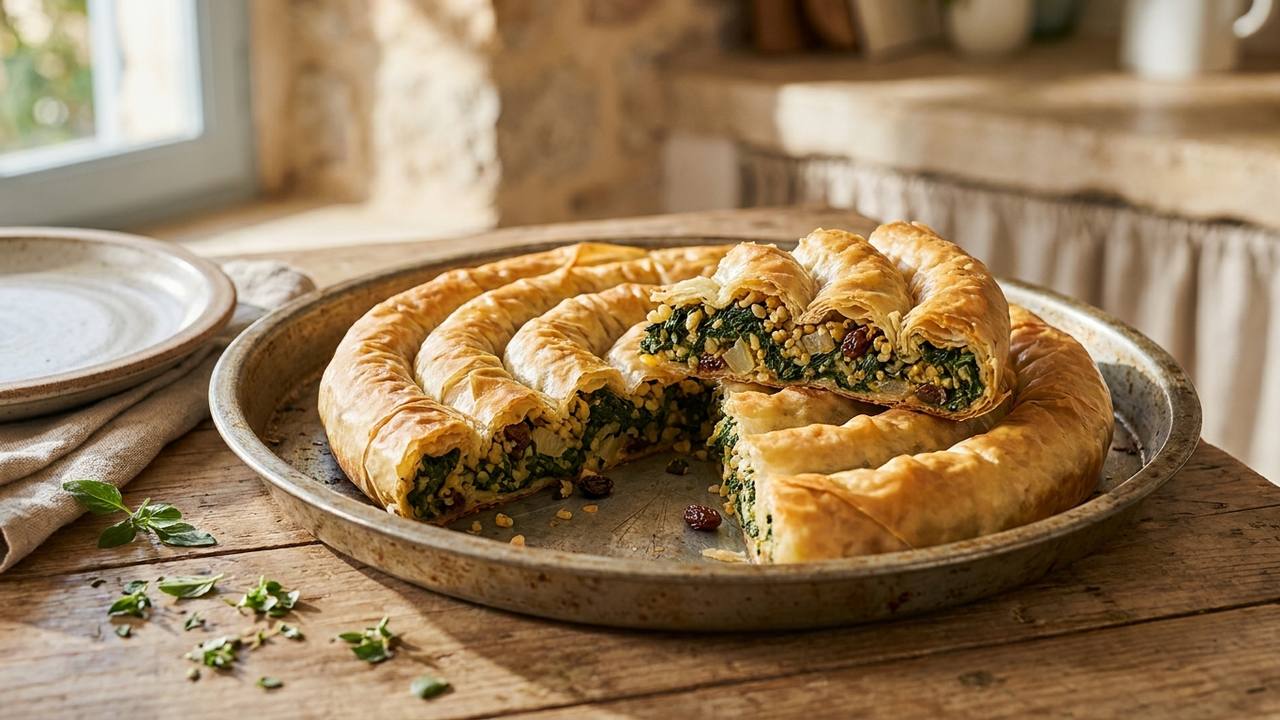
Dilihdi (ıspanak böreği)
The thesis describes a rolled pastry filled with spinach, softened onion, a handful of bulgur, raisins, salt and black pepper, arranged in a ring in a tray and baked.
Source: i-rep.emu.edu.tr
AI visual concept pastry
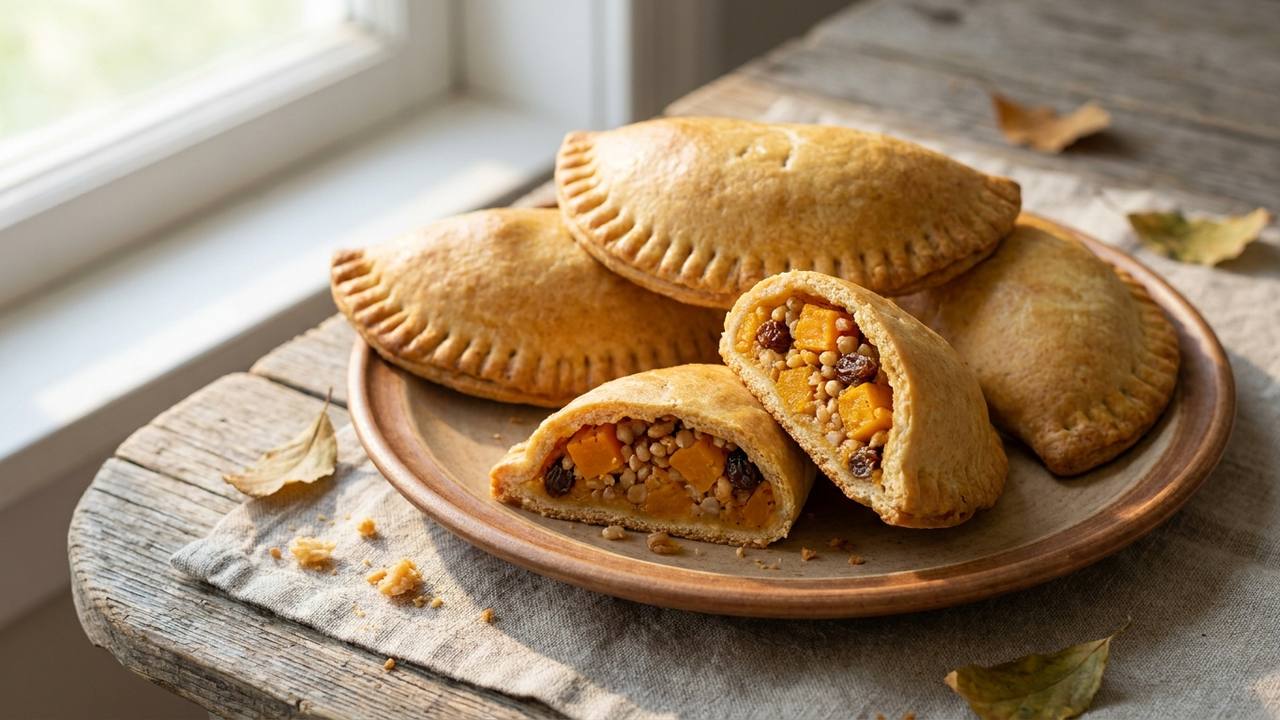
Şebasti (balkabağı böreği)
The thesis describes half-moon pastries filled with diced pumpkin mixed with crushed wheat, raisins, cloves, sugar and cinnamon, rested overnight before baking in the oven.
Source: i-rep.emu.edu.tr
AI visual concept Pastry
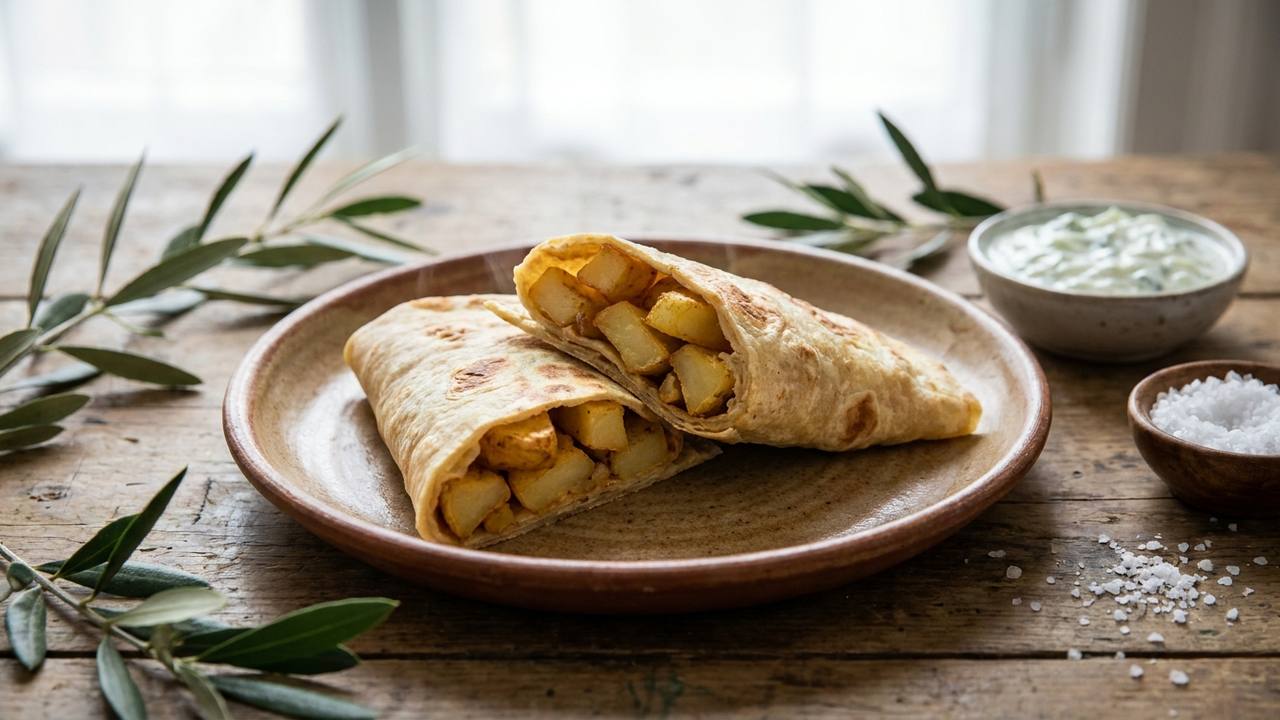
Bidda badadez (bidda with fried potatoes)
Yenidüzen (2013) describes bidda as flattened dough, cooked and rolled around fried potatoes (badadez), with variants adding hellim or köfte. Cumhuriyet's 2014 glossary defines badadez as potato.
Source: yeniduzen.com
AI visual concept Pastry
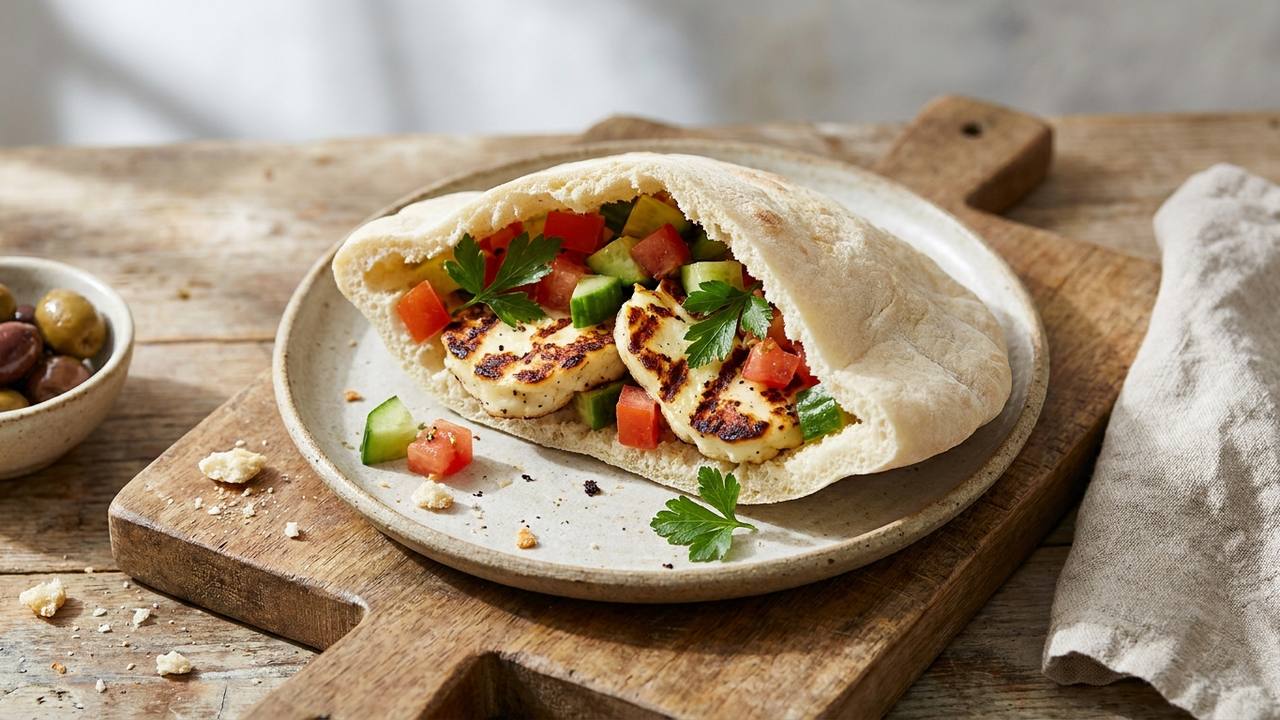
Kıbrıs pidesi
The thesis describes a yeasted flatbread with milk and sugar, baked at the oven's highest heat until it puffs, then filled with kebab or grilled hellim.
Source: i-rep.emu.edu.tr
AI visual concept Pastry
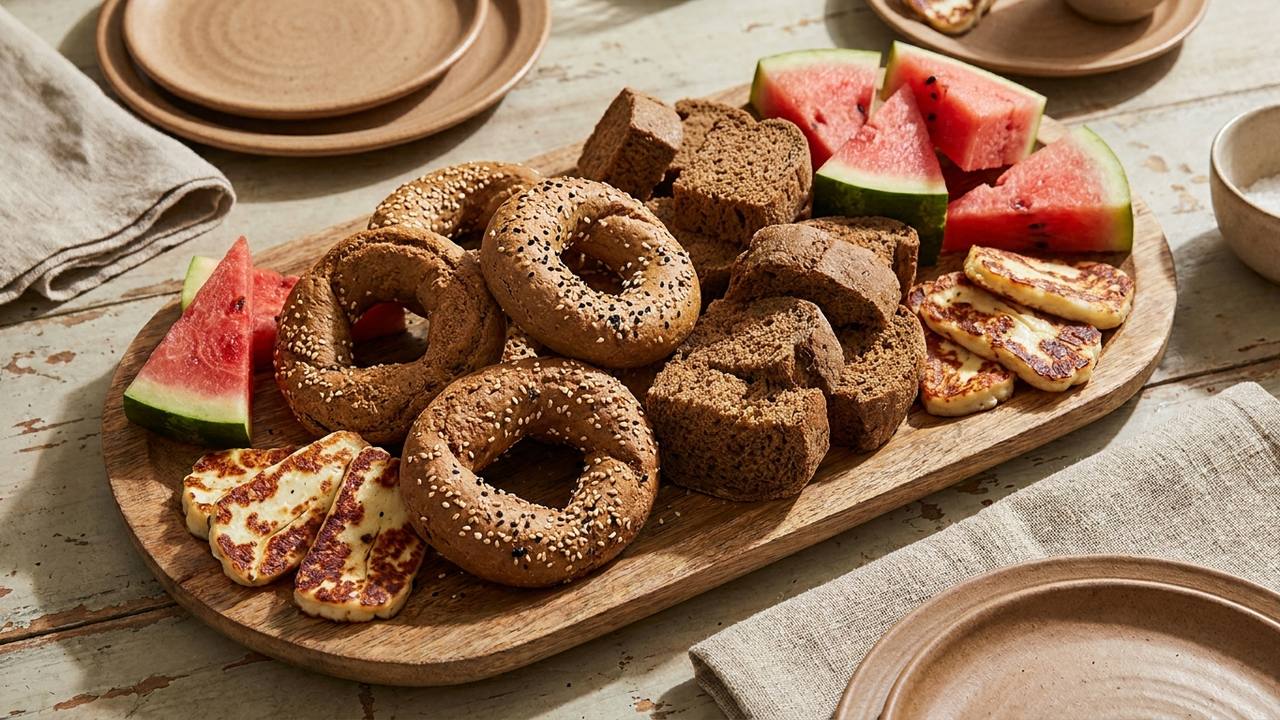
Peksemet (peksimet)
Hürriyet (2017) describes a hard, dense bread-like snack with sesame, nigella, anise and mastic, and pairs it with watermelon and hellim in summer. Cumhuriyet (2014) lists it as a round rusk.
Source: hurriyet.com.tr
AI visual concept Pastry
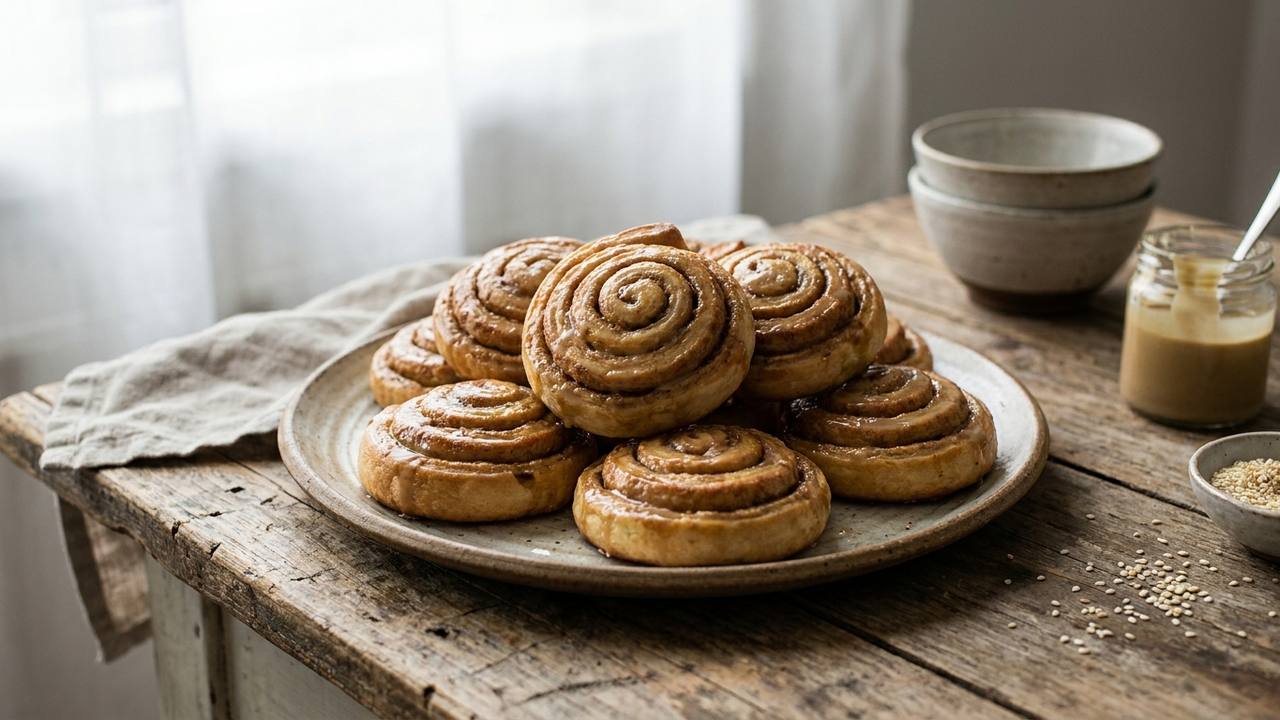
Tahinli çörek
Hürriyet (2017) describes tahinli çörek as usually made small and with plentiful ingredients.
Source: hurriyet.com.tr
1 / 11

Sweets and desserts
The thesis devotes a section to macun (preserves served to guests) and another to sweets. It reports that hosts offer coffee and then macun, and that macun can be eaten at any time of day, whereas jam is eaten with breakfast.
Several sweets in the sources use carob (harnup) molasses, nor cheese or syrup. The thesis lists basdiş among sweets served to guests at engagements, weddings and circumcision celebrations, and Cumhuriyet describes Kıbrıs tatlısı as served especially at bayram and on special days, with a syrupy texture.
AI visual concept sweet
Ceviz macunu
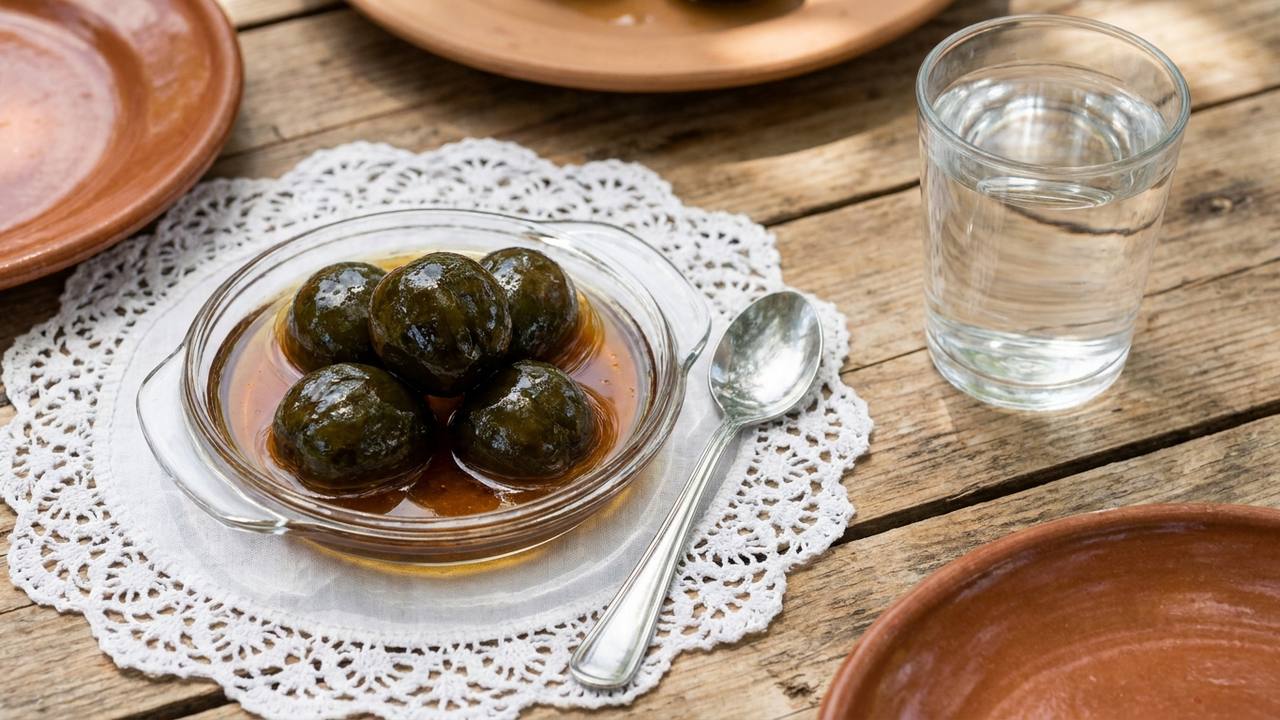
Visit North Cyprus describes a spoon sweet of small green walnuts picked in late spring or early summer, labour-intensive and taking about a week. The thesis says macun is served to guests after coffee, with water.
Source: visitncy.com
AI visual concept sweet
Gullurikya (gullirikya, gullurga)
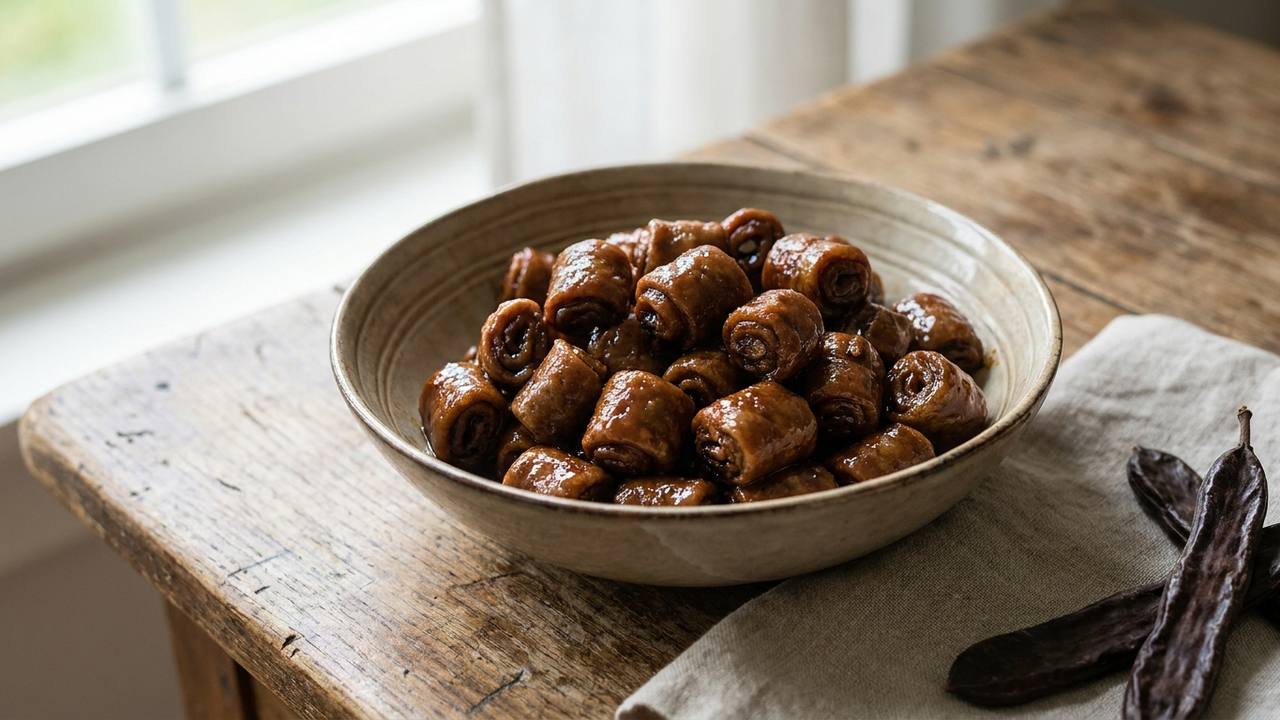
The thesis describes small dough pieces of flour, water and salt, rolled and cooked in a boiled mixture of carob molasses (harnup pekmezi) and water for 20 to 25 minutes, served warm or cold.
Source: i-rep.emu.edu.tr
AI visual concept sweet
Harnup paluze and üzüm paluze
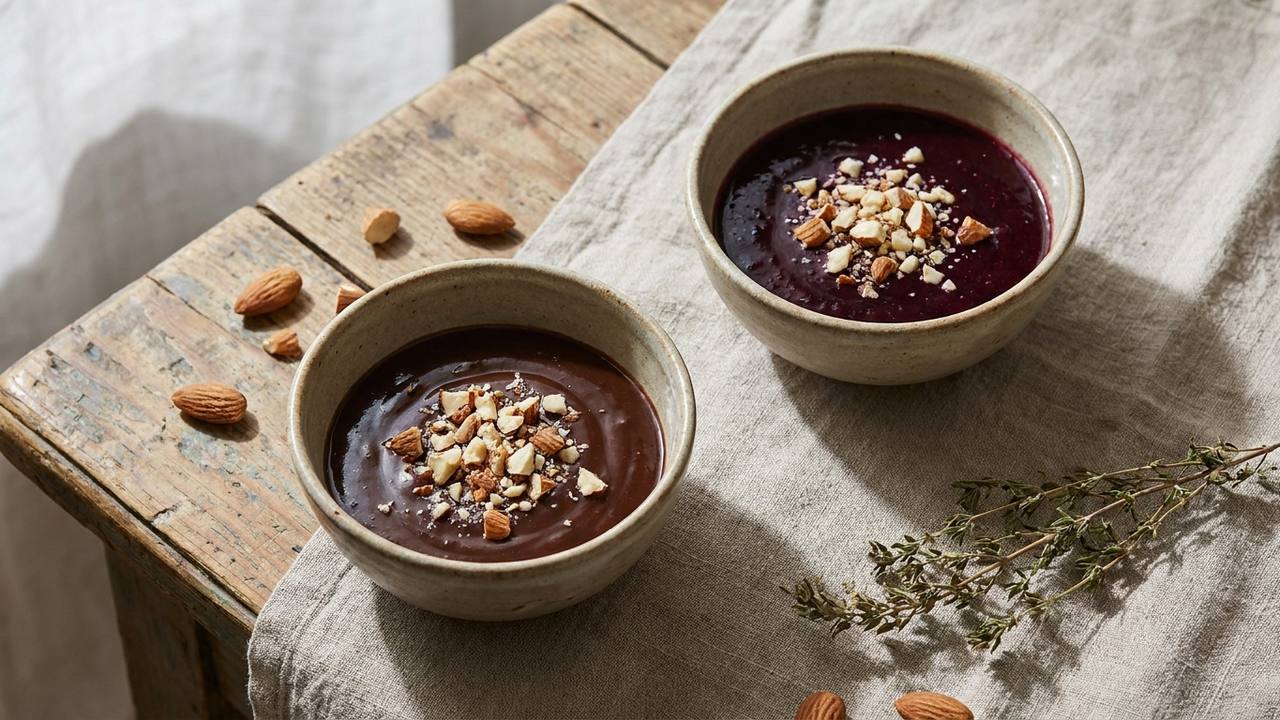
The thesis describes a pudding of crushed carob, soaked overnight and strained, then cooked with wheat flour and a few drops of rose water, topped with crushed almonds. The grape version uses grapes instead.
Source: i-rep.emu.edu.tr
AI visual concept sweet
Basdiş
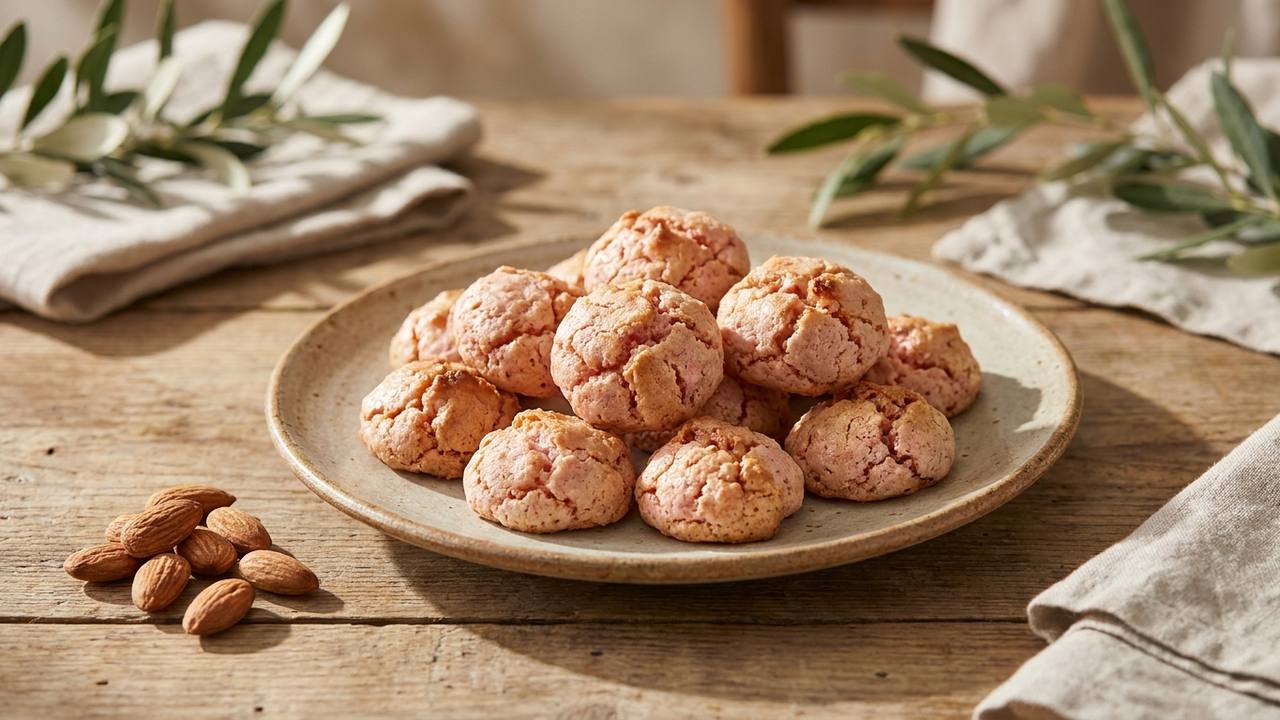
The thesis describes a biscuit-like sweet of crushed almonds, sugar and egg whites baked until pink on both sides, served to guests at engagements, weddings and circumcision celebrations.
Source: i-rep.emu.edu.tr
AI visual concept sweet
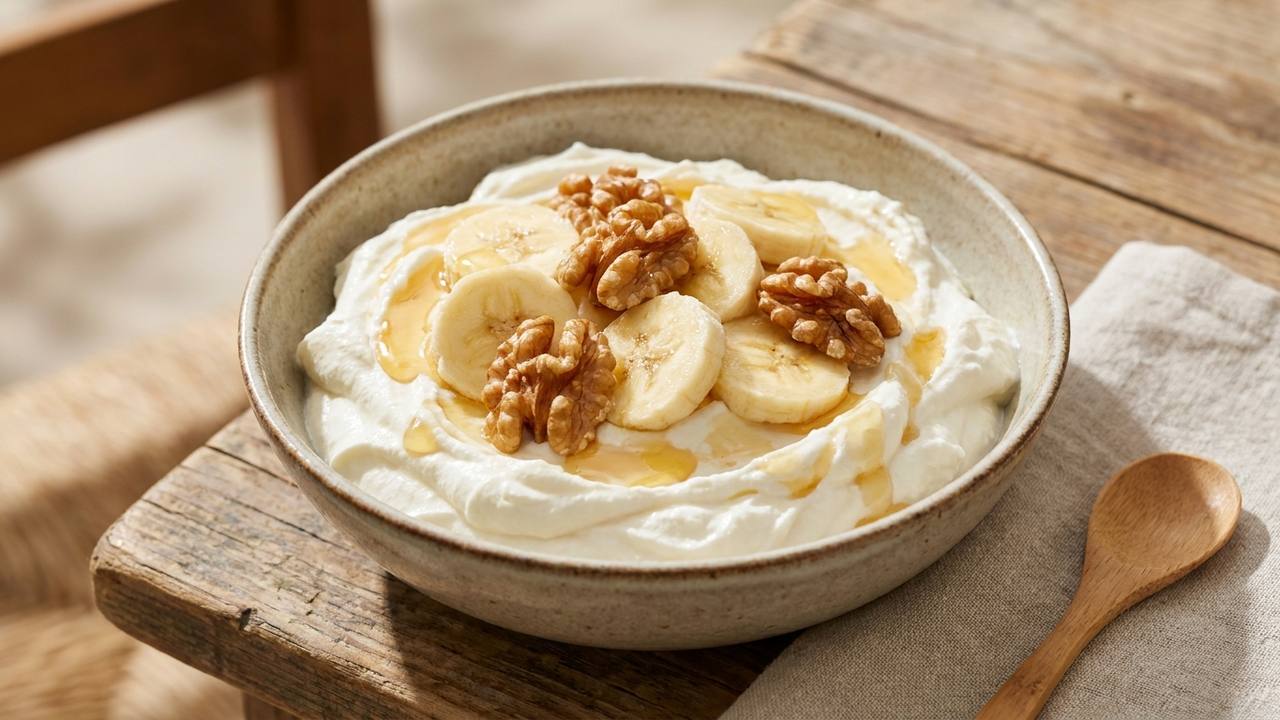
Gırbaç (kırbaç) tatlısı
The thesis describes nor and milk beaten to a cream, topped with banana slices, walnut pieces and honey or pekmez. It says the dessert is light and usually offered after meals in meyhanes.
Source: i-rep.emu.edu.tr
AI visual concept sweet
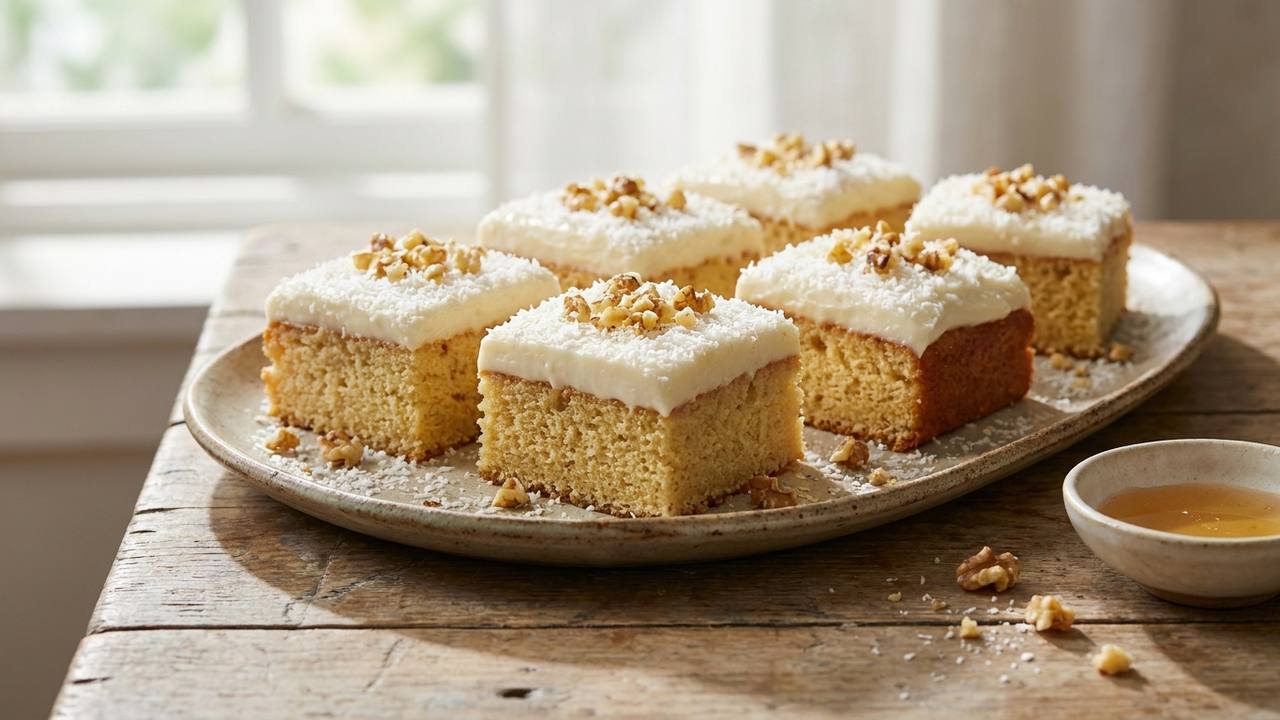
Kıbrıs tatlısı
Cumhuriyet (16 February 2024) presents a syrupy cake with eggs, breadcrumbs, coconut and walnuts, finished with a milk cream. It says the dessert is served especially at bayram and on special days.
Source: cumhuriyet.com.tr
AI visual concept sweet
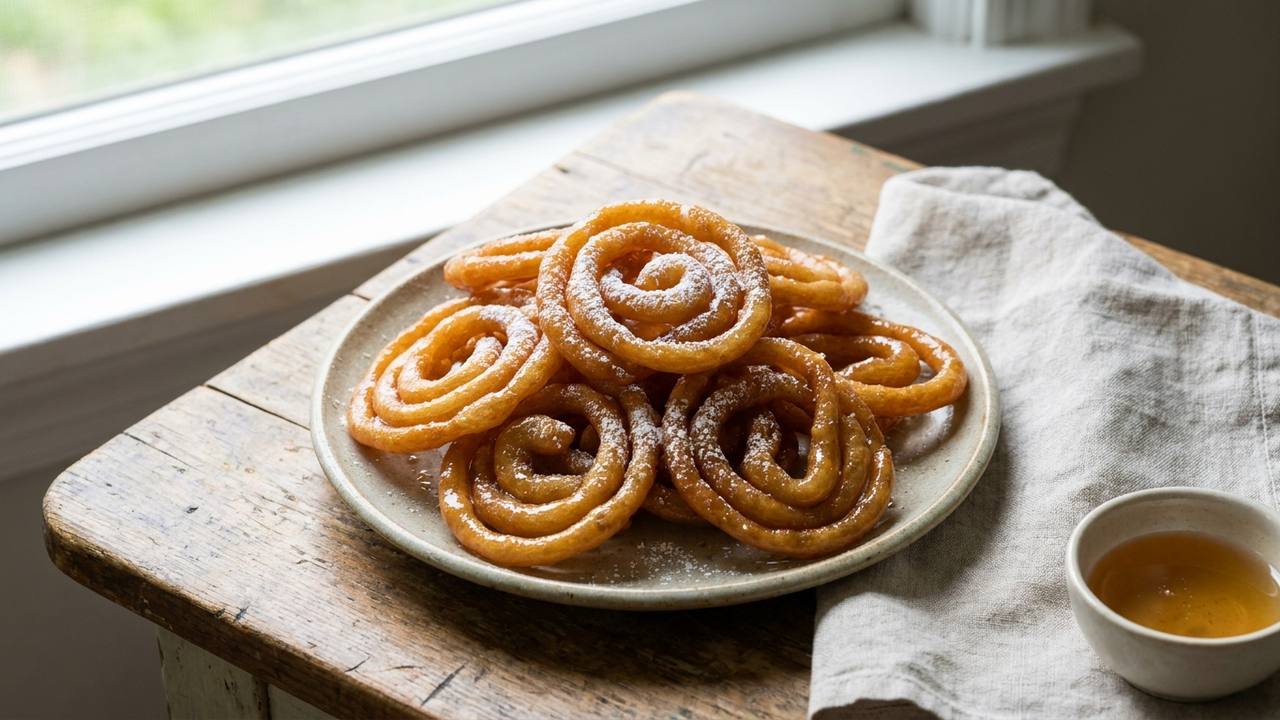
Zülbiye
Enuygun (2023) describes a fried dessert of flour, starch, baking powder, milk, sugar and egg, piped into hot oil, soaked in syrup and dusted with powdered sugar.
Source: enuygun.com
AI visual concept Sweet
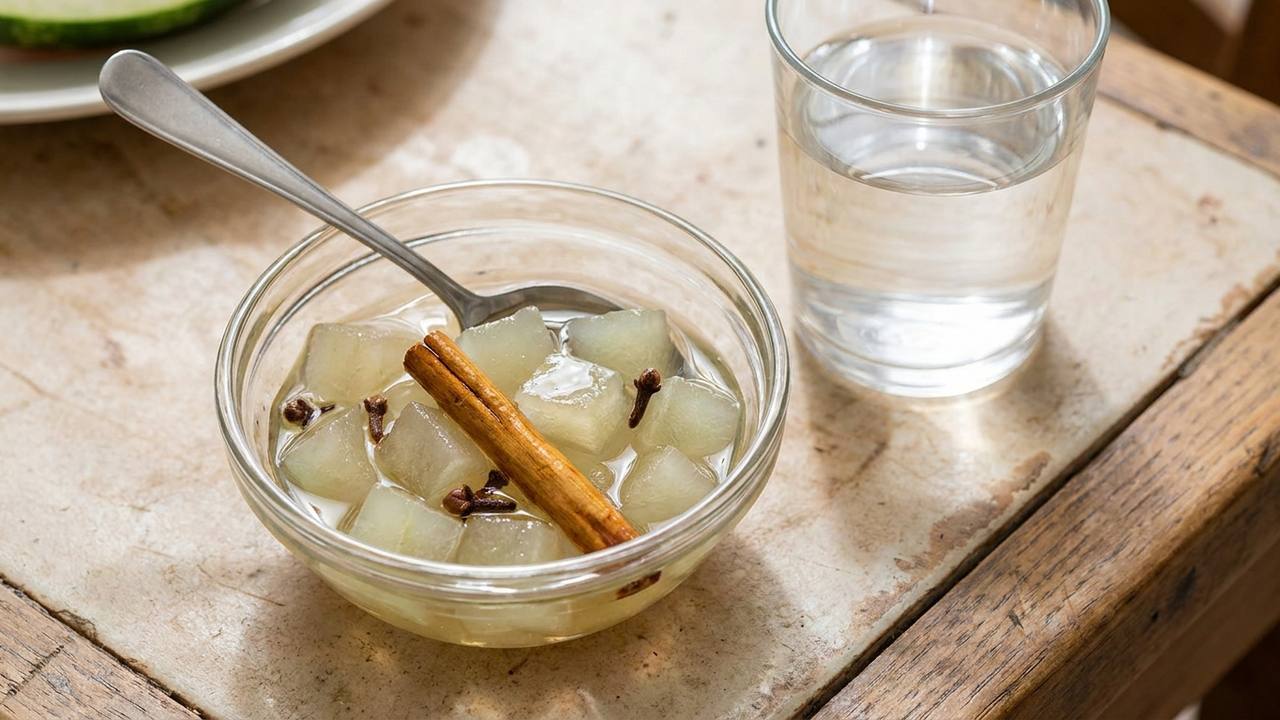
Karpuz kabuğu macunu (karpuz macunu)
The thesis lists watermelon-rind macun among Cypriot macun types: the white part of the rind is soaked in lime water, then cooked in a syrup with cinnamon and cloves. Cumhuriyet (2014) also lists watermelon among macun varieties.
Source: i-rep.emu.edu.tr
AI visual concept Sweet
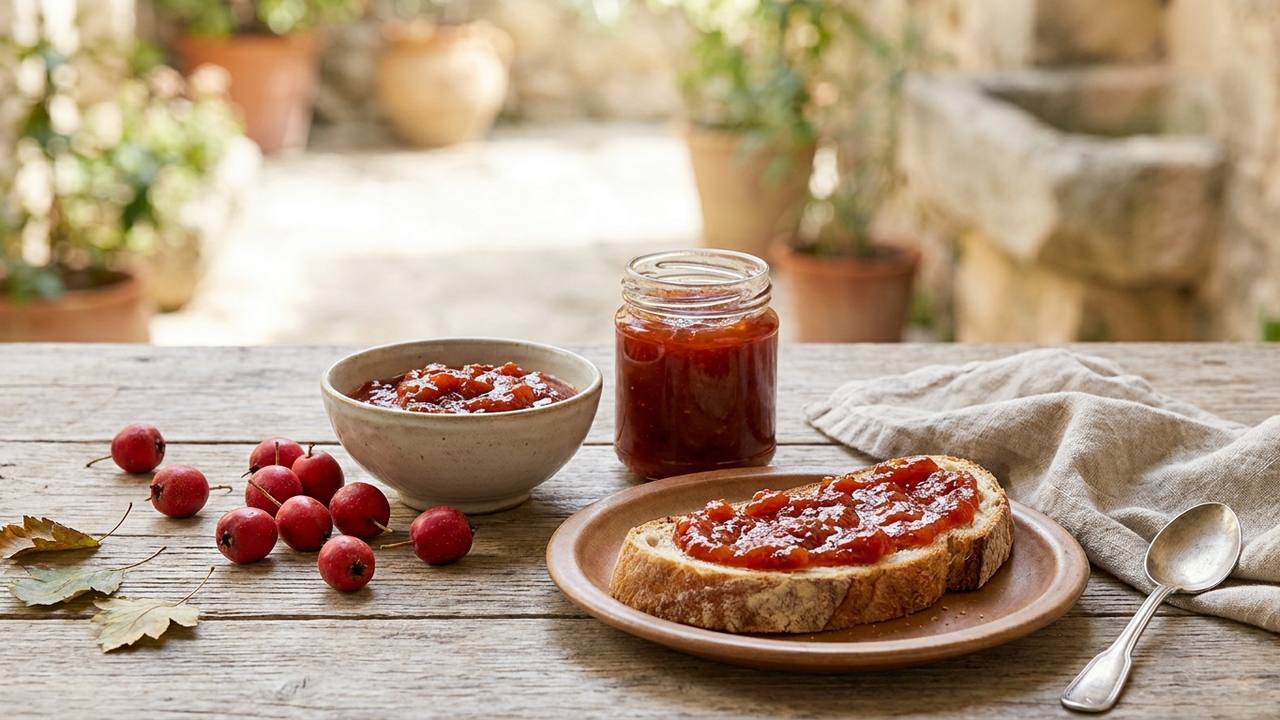
Alıç macunu (alıç murabbası)
The thesis says hawthorn (alıç) grows wild in rural areas, and that the fruit is eaten raw or made into macun and jam, spread on bread at breakfast. Cumhuriyet (2014) lists alıç murabbası among homemade preserves.
Source: i-rep.emu.edu.tr
AI visual concept Sweet
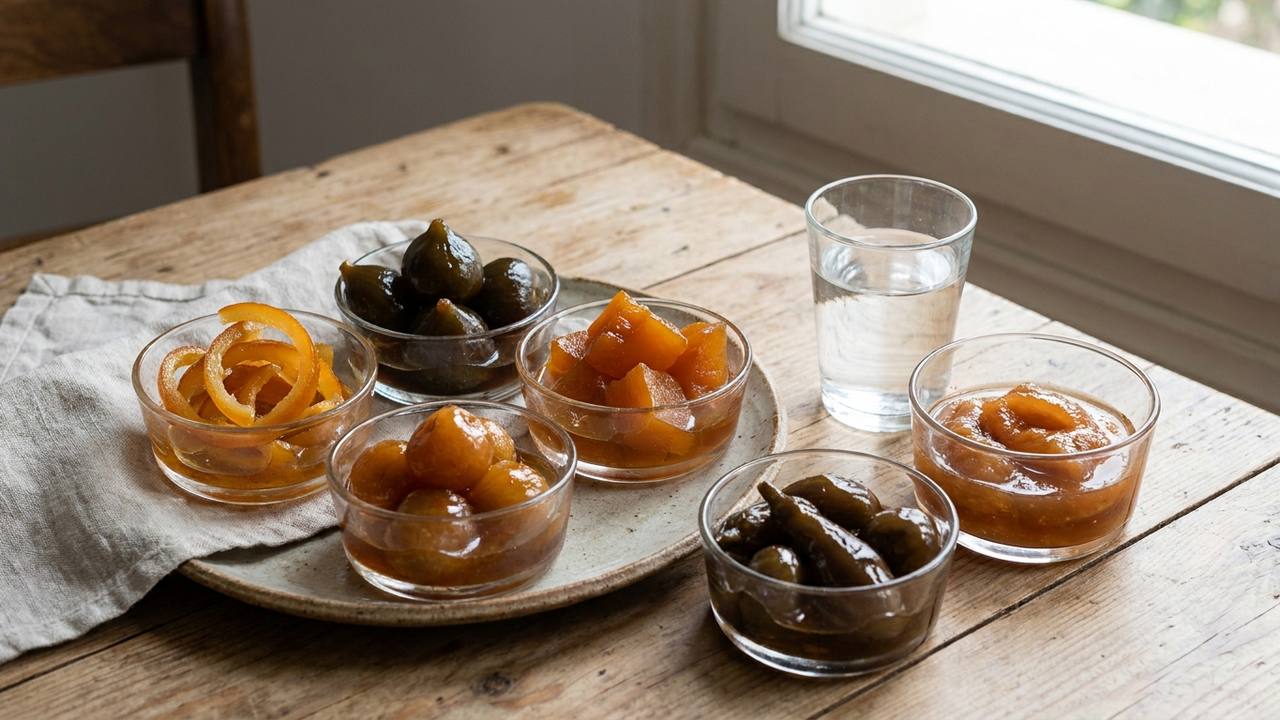
Turunç, incir, kabak, patlıcan, hurma, badem ve ayva macunu
The thesis lists further Cypriot macun types: bitter orange (turunç), fig, pumpkin, aubergine, date, almond and quince. It says some are soaked in lime water first to stay firm, and that macun is served with a glass of water.
Source: i-rep.emu.edu.tr
AI visual concept Sweet
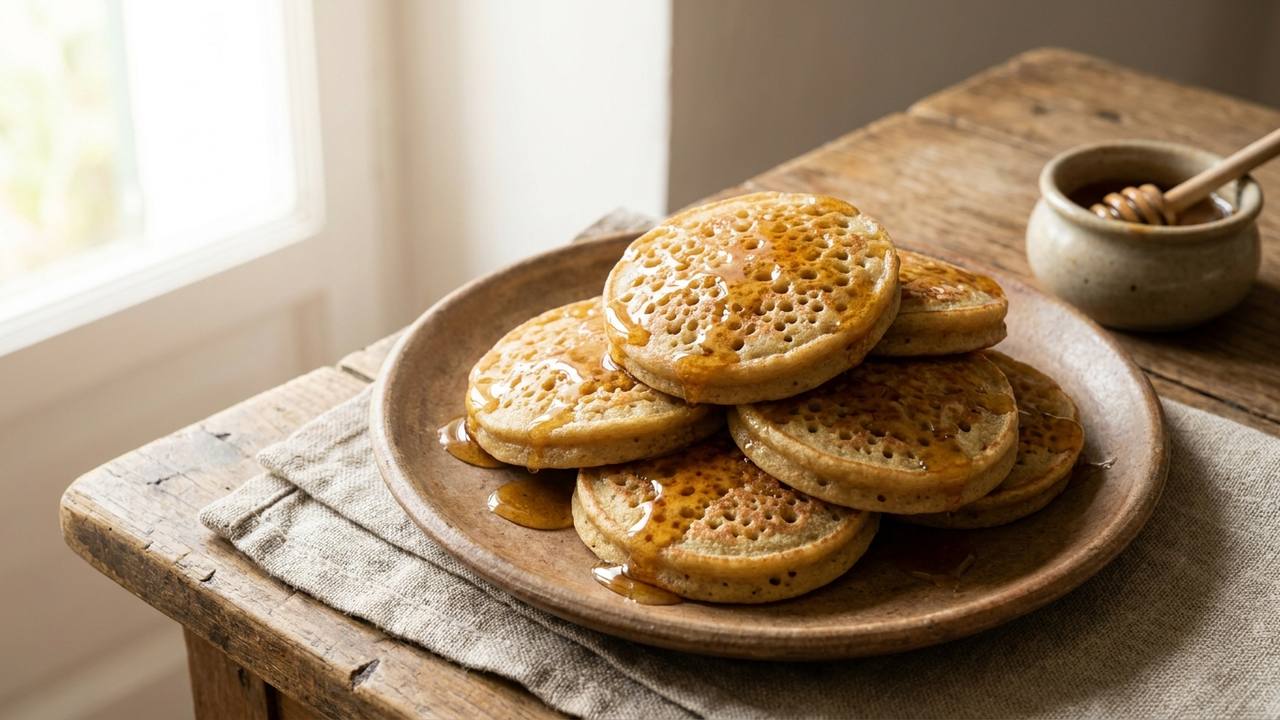
Dribidez (delikli bidda)
The thesis describes a loose yeasted batter poured onto a heated, olive-oil-greased dribidez stone, cooked on both sides and served hot with honey or sugar.
Source: i-rep.emu.edu.tr
AI visual concept Sweet
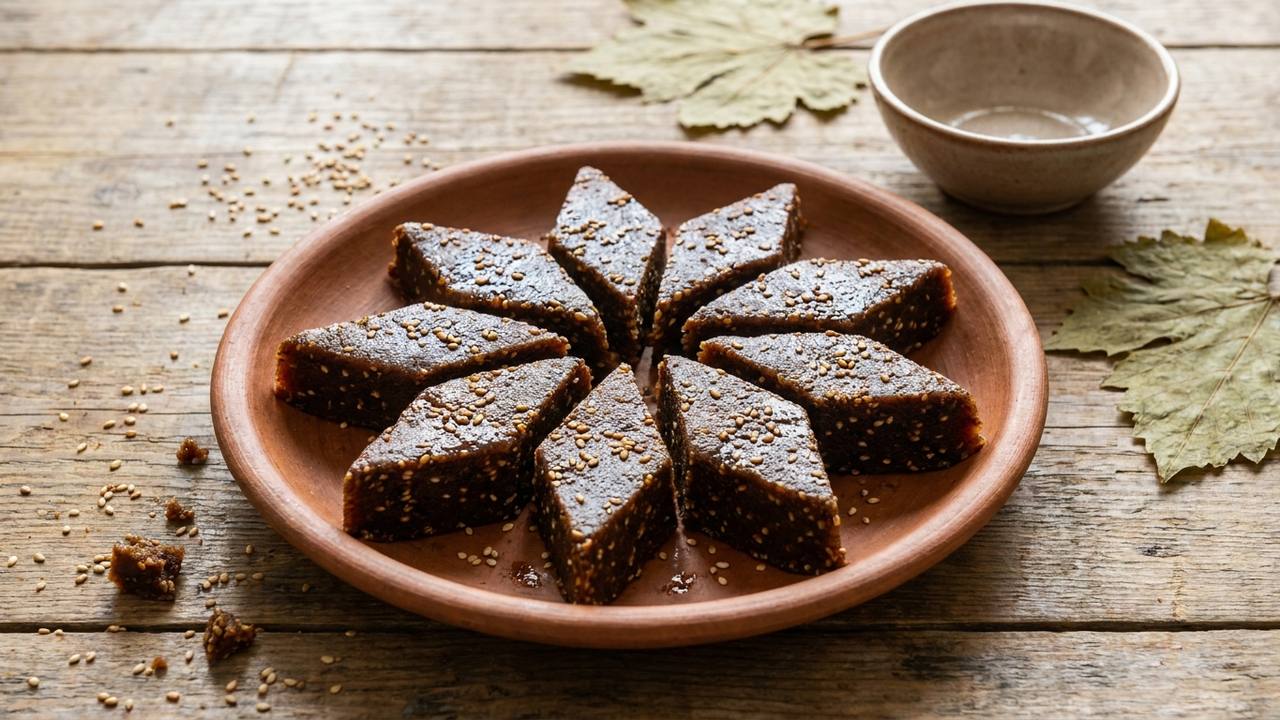
Pekmez helvası
The thesis describes flour roasted with sesame and coriander seed, then stirred with pekmez until it thickens, poured into a tray, cooled and cut into pieces.
Source: i-rep.emu.edu.tr
AI visual concept Sweet
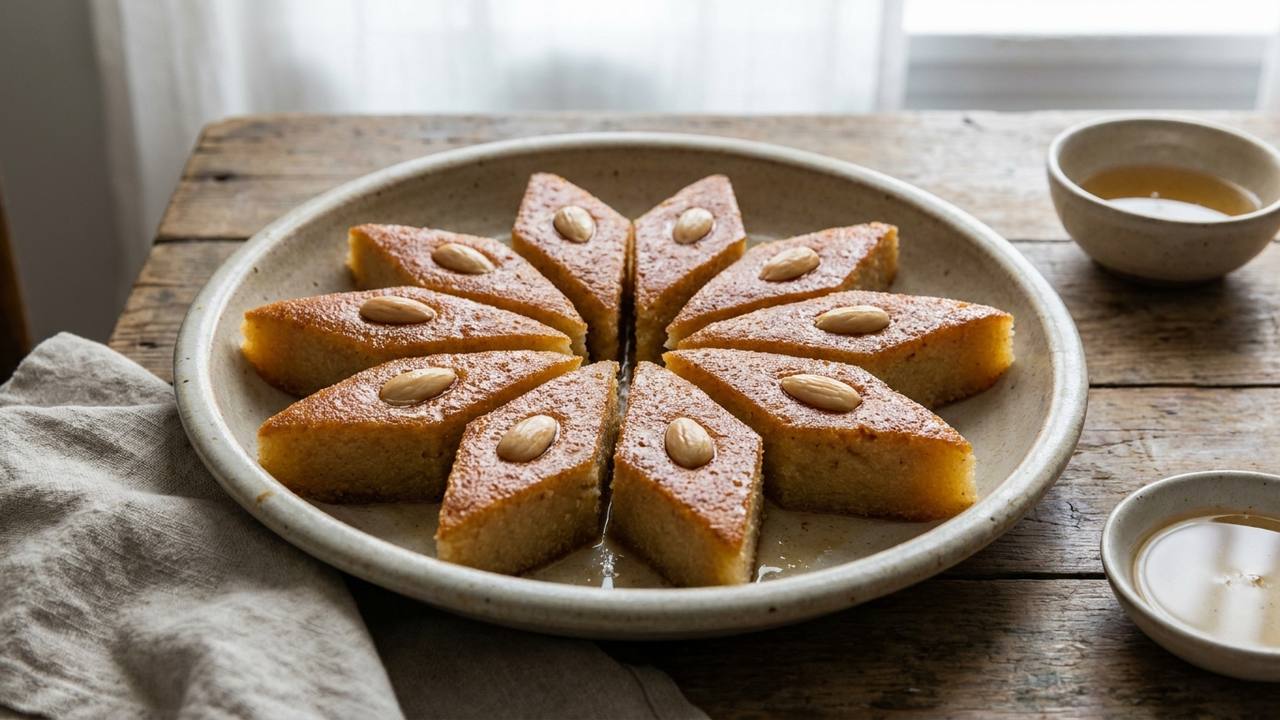
Şamali (şambali)
The thesis describes a baked cake of semolina, sugar and yoghurt flavoured with ground mezdeki (mastic, per Cumhuriyet's glossary), soaked with cool syrup while hot and topped with blanched almonds.
Source: i-rep.emu.edu.tr
AI visual concept Sweet
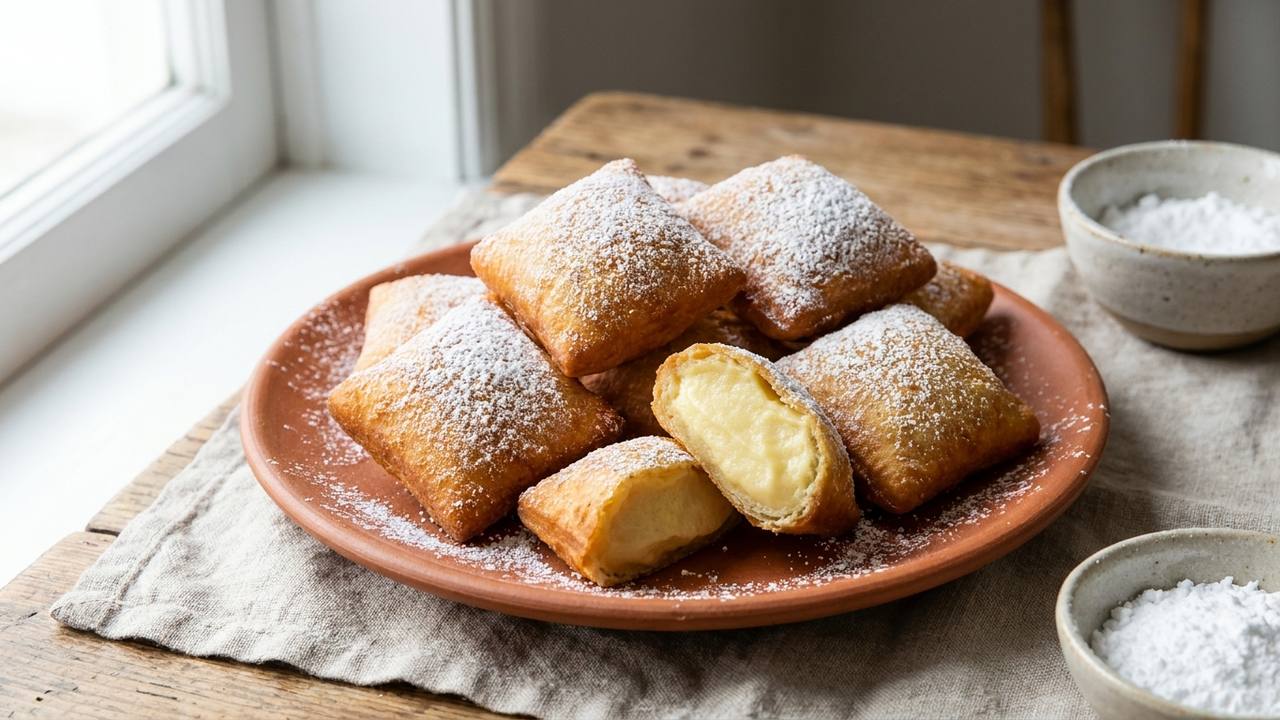
Şamişi
The thesis describes small pastry parcels filled with a cooked semolina and sugar mixture flavoured with ground mezdeki (mastic), deep-fried and dusted with powdered sugar.
Source: i-rep.emu.edu.tr
AI visual concept Sweet
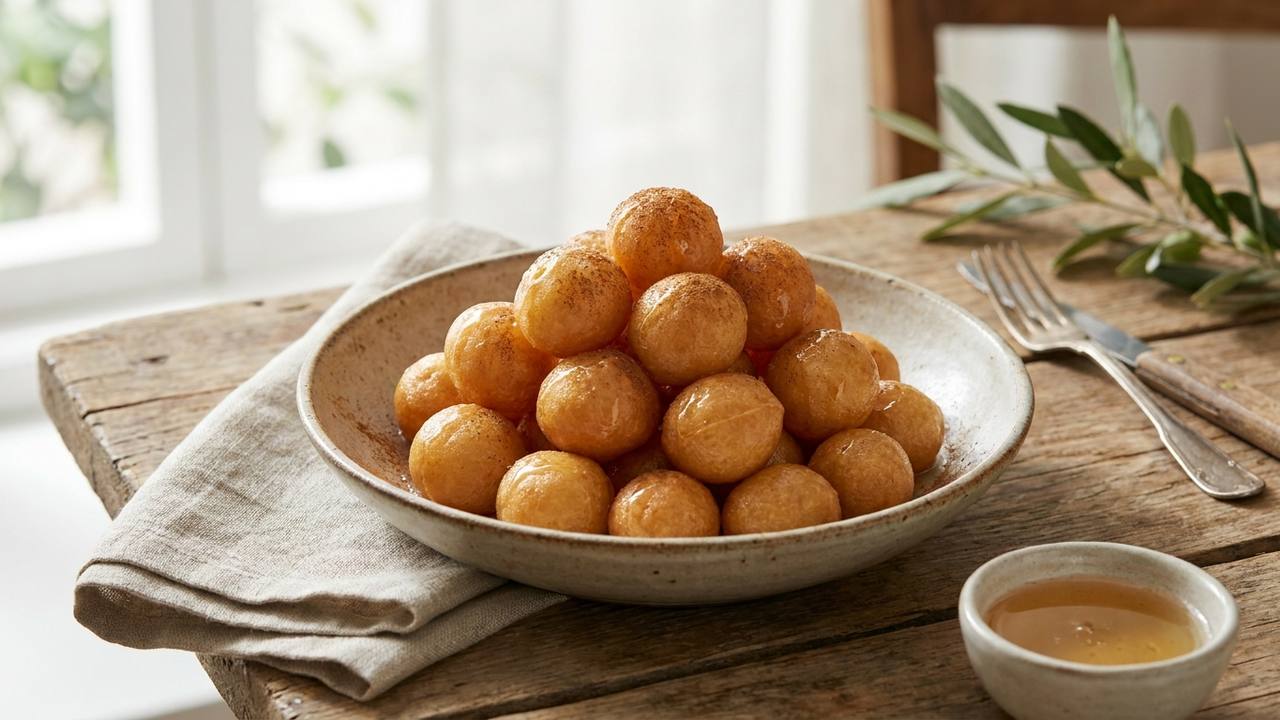
Lokma
The thesis describes a yeasted batter dropped by hand into hot oil, then dipped briefly in a syrup scented with çiçek suyu (blossom water) and dusted with cinnamon or powdered sugar.
Source: i-rep.emu.edu.tr
1 / 15

Drinks and local products
Visit North Cyprus describes rakı, zivania and the brandy sour as drinks with local associations. The thesis adds that citrus grown around Güzelyurt is used for orange juice, grapefruit juice and lemonade, and that rose syrup is mixed with cold water in summer.
Hellim and carob pekmez appear in both the tourism and academic sources. Visit North Cyprus describes hellim as a semi-hard, un-ripened brined cheese made from goat's and sheep's milk and sometimes cow's milk, eaten fresh, grilled, barbecued or with salads and sandwiches.
AI visual concept drink
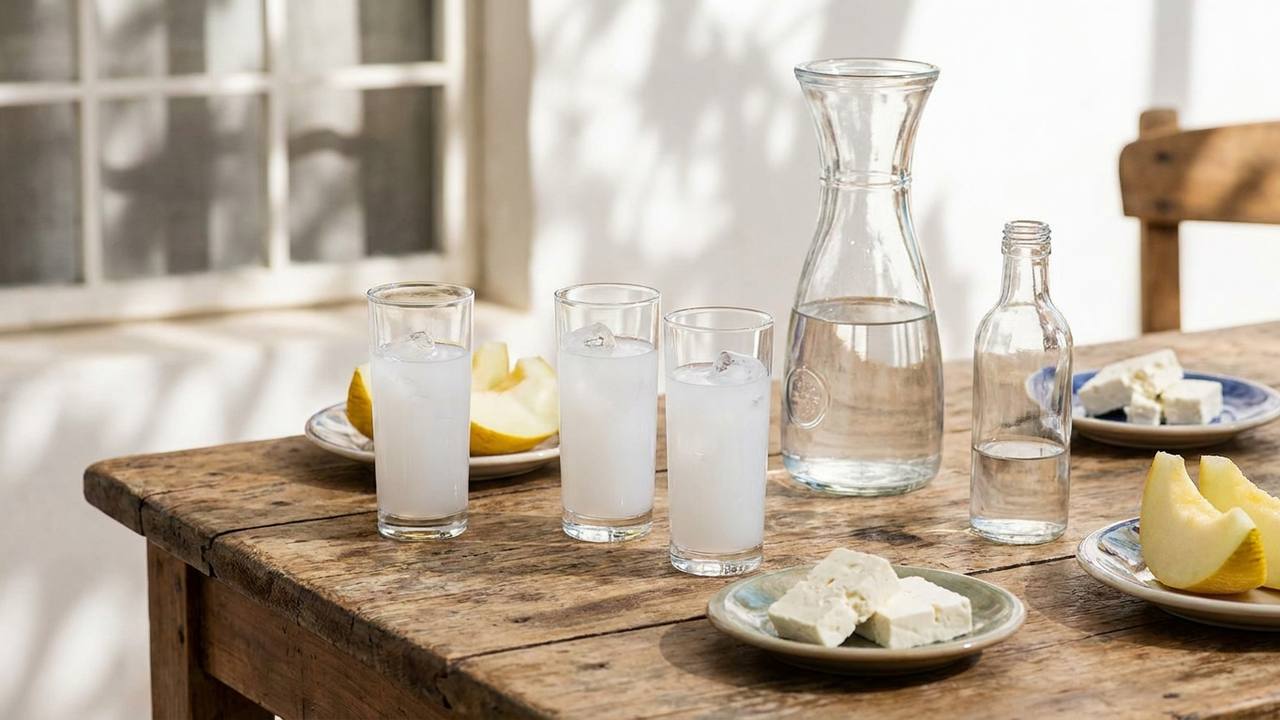
Rakı
Visit North Cyprus describes an anise-flavoured spirit that Turkish Cypriots call "Lion's Milk", served cold, usually diluted with water, and linked to meyhanes where it is served with meze, meat or fish.
Source: visitncy.com
AI visual concept drink
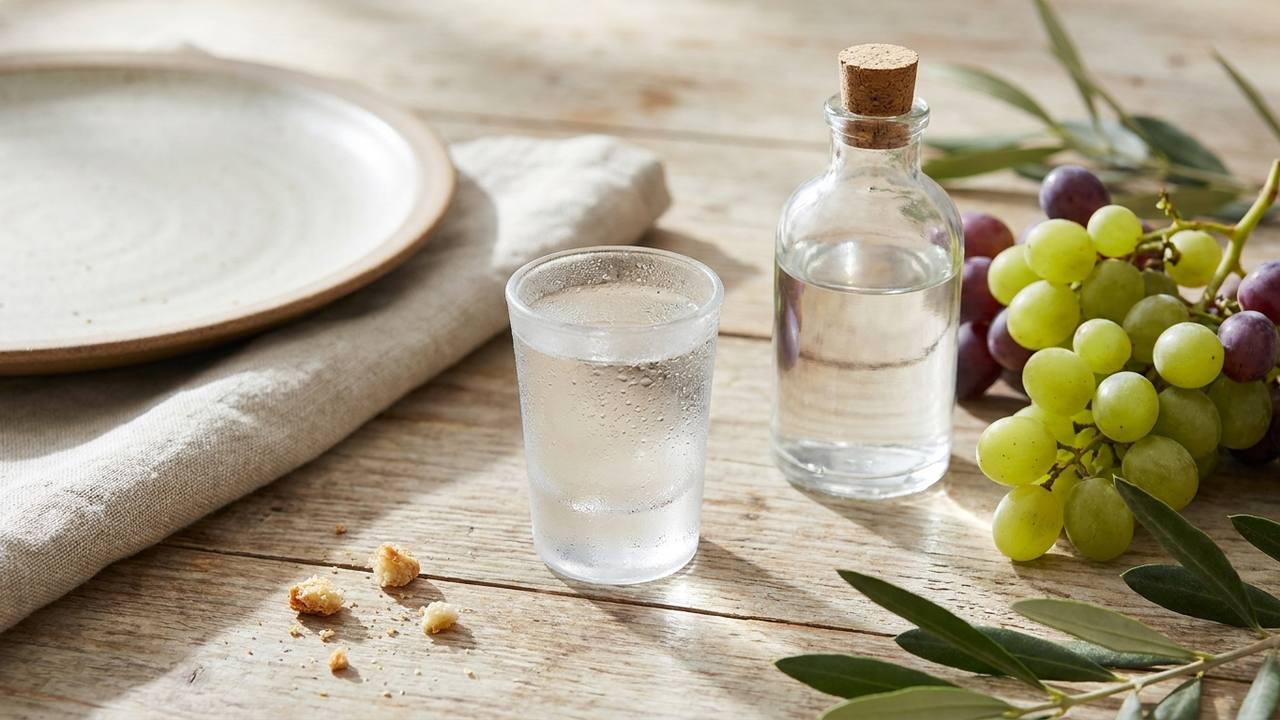
Zivania
Visit North Cyprus describes a colourless pomace brandy distilled in a copper pot from grape pomace and local dry wines, usually drunk as an aperitif and often served ice cold in summer.
Source: visitncy.com
AI visual concept drink
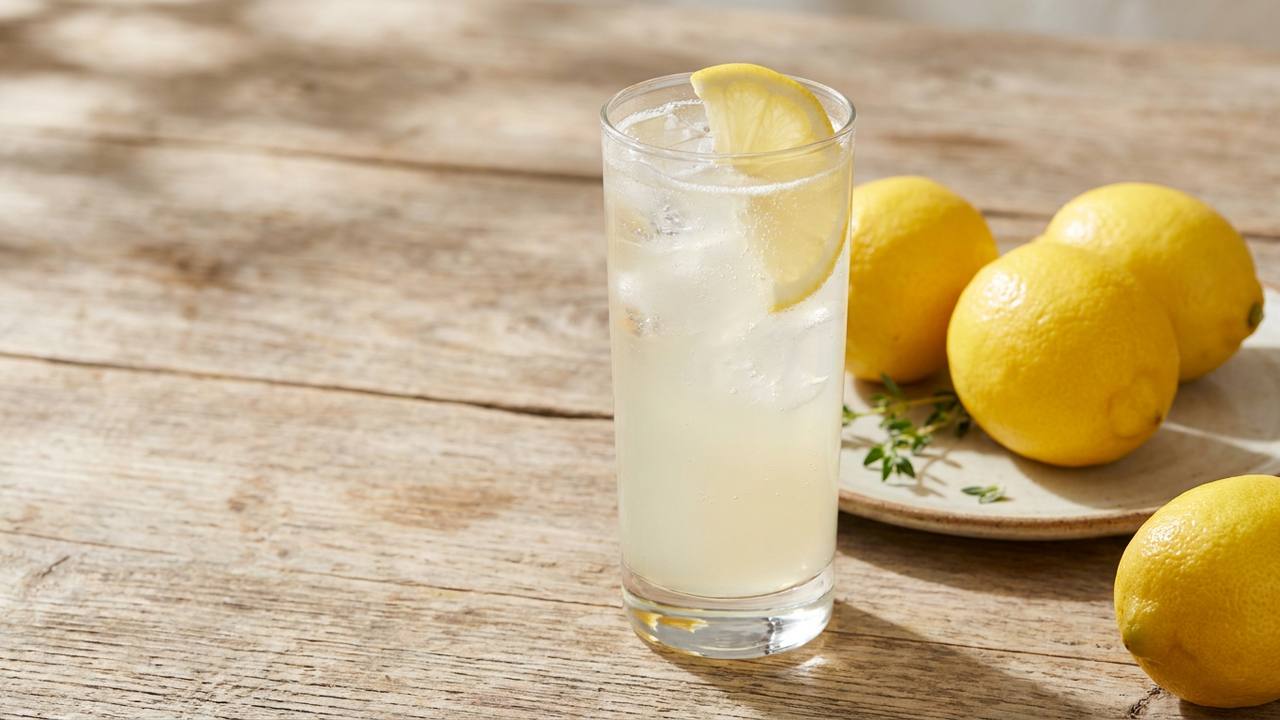
Brandy sour
Visit North Cyprus describes a cocktail of local brandy and lemon cordial made from Güzelyurt lemons, with Angostura bitters, soda water and ice. The page describes the local brandy as gentler than Cognac or Armagnac.
Source: visitncy.com
AI visual concept drink
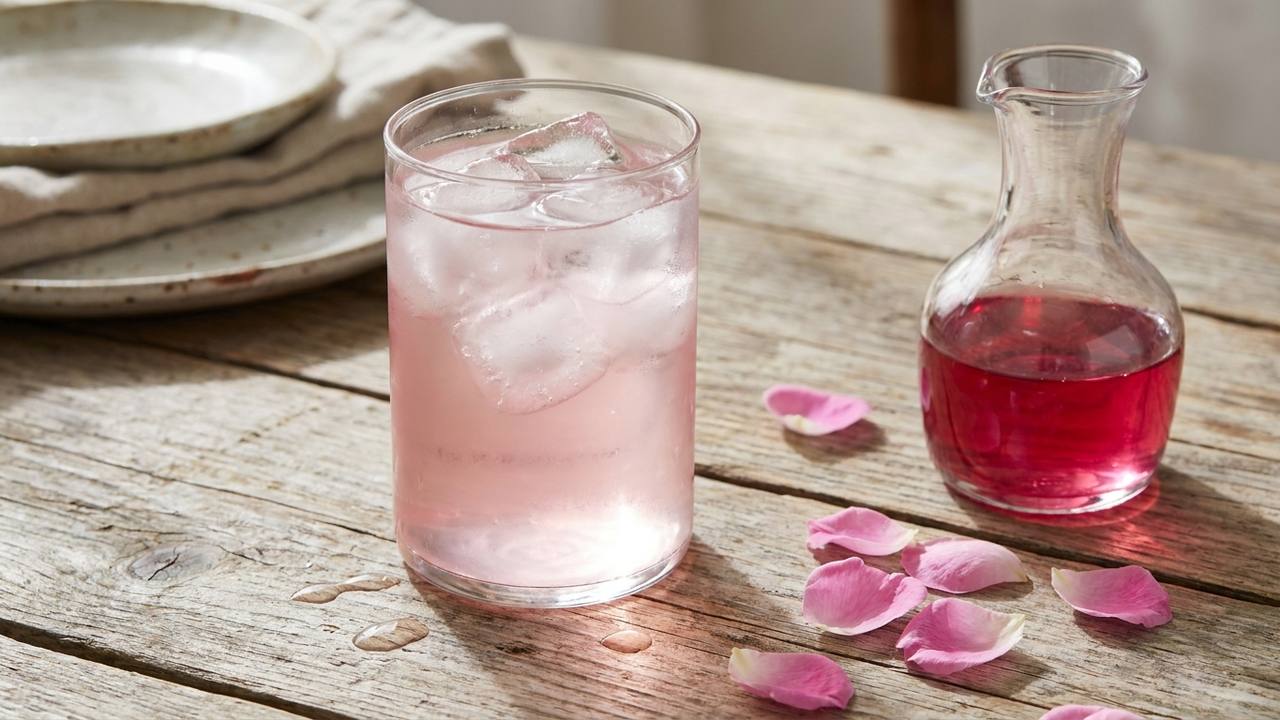
Gül şurubu (rose syrup)
The thesis describes a syrup made from rose petals and mixed with cold water to cool down in hot summer months, sometimes mixed with milk. It adds that many households now buy it ready-made.
Source: i-rep.emu.edu.tr
AI visual concept drink
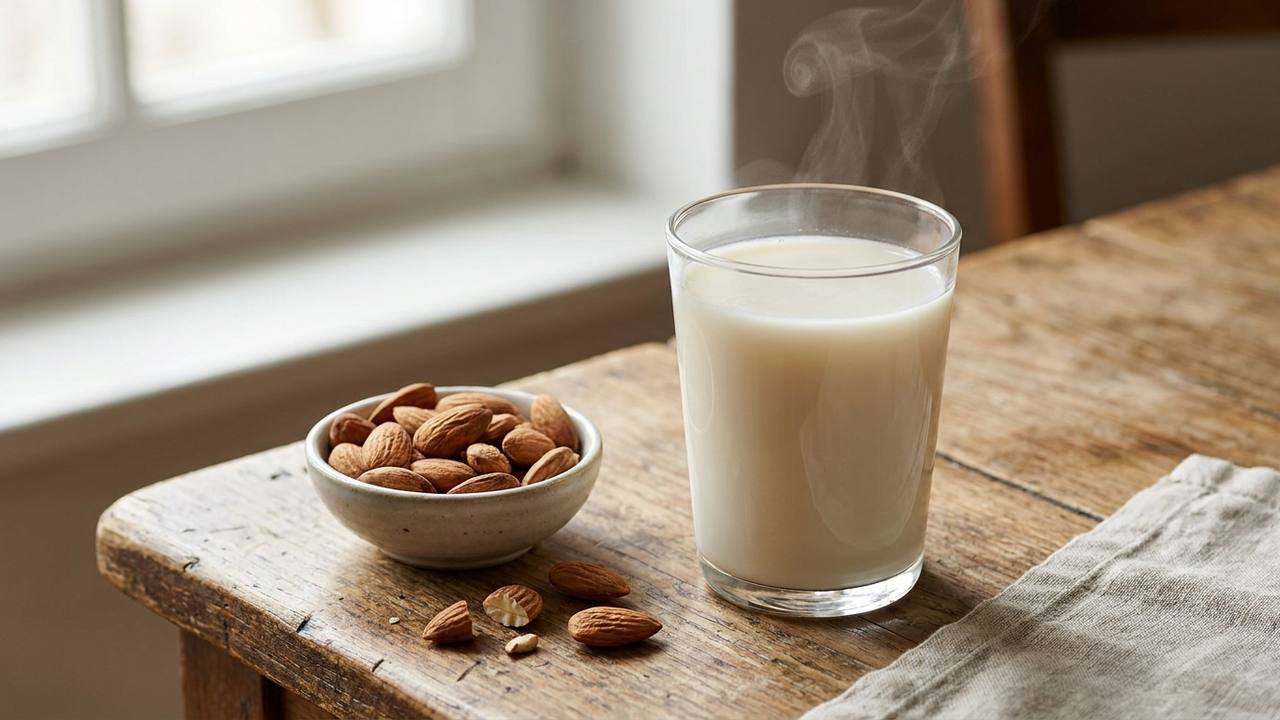
Sumada
The thesis describes a drink made from bitter almonds, mixed with hot water in cold winter days and drunk in coffee houses. It says it was once offered to visiting guests.
Source: i-rep.emu.edu.tr
AI visual concept local product
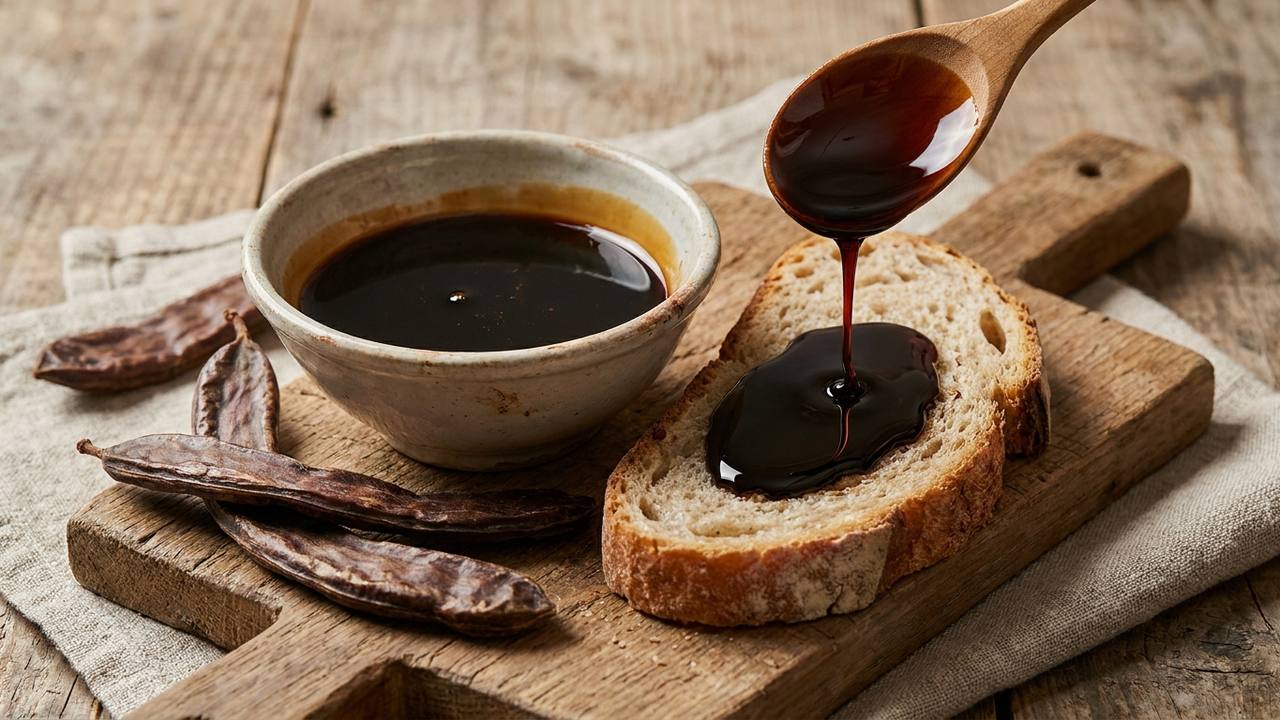
Harnup pekmezi (carob molasses)
Visit North Cyprus describes a dark syrup that Turkish Cypriots extract from carob pods in the Beşparmak Mountains, used in savoury dishes, spread on bread or drizzled over desserts and fruit.
Source: visitncy.com
AI visual concept local product
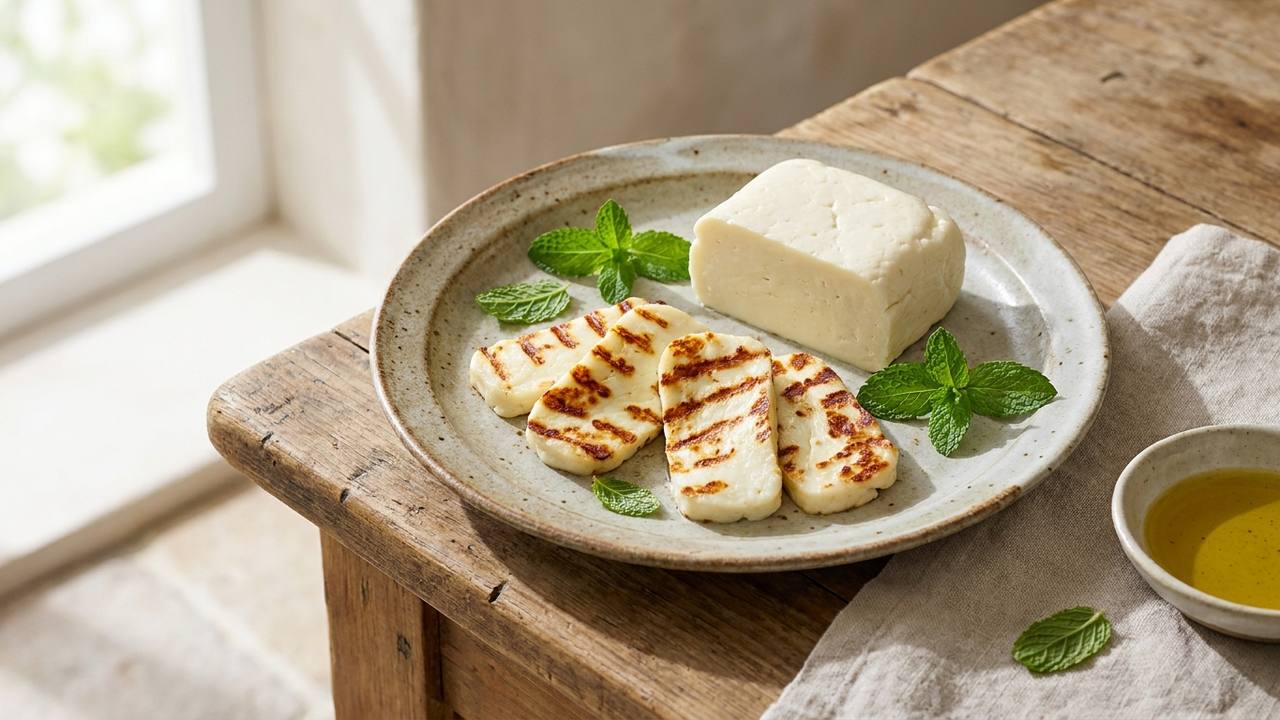
Hellim
Visit North Cyprus describes a semi-hard, un-ripened brined cheese of goat's and sheep's milk, eaten fresh, grilled or barbecued, and used in hellimli and pilavuna and sprinkled over pasta with dried mint.
Source: visitncy.com
AI visual concept Local product
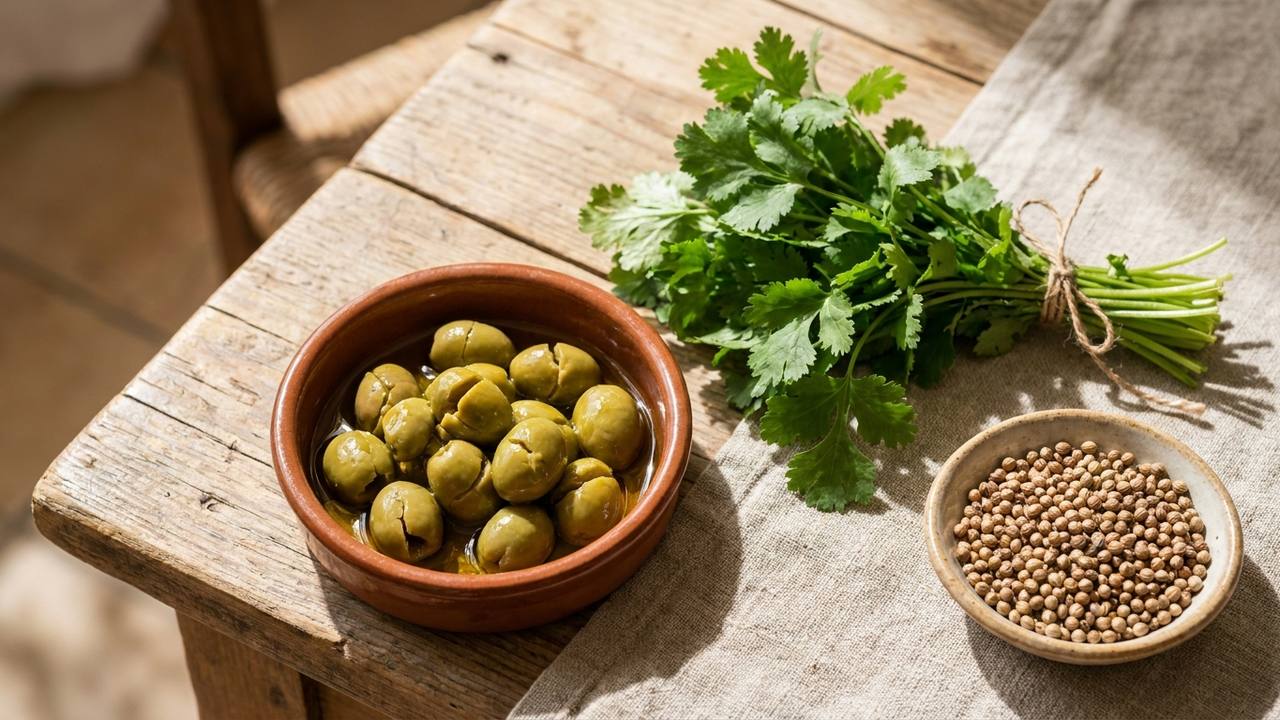
Golyandro (kişniş, coriander)
Cumhuriyet's 2014 glossary gives golyandro as coriander, with the leaves used as an herb and the seeds as a spice. Yemek.com and Hürriyet name its seeds as an accompaniment to çakıstez olives.
Source: cumhuriyet.com.tr
AI visual concept Local product
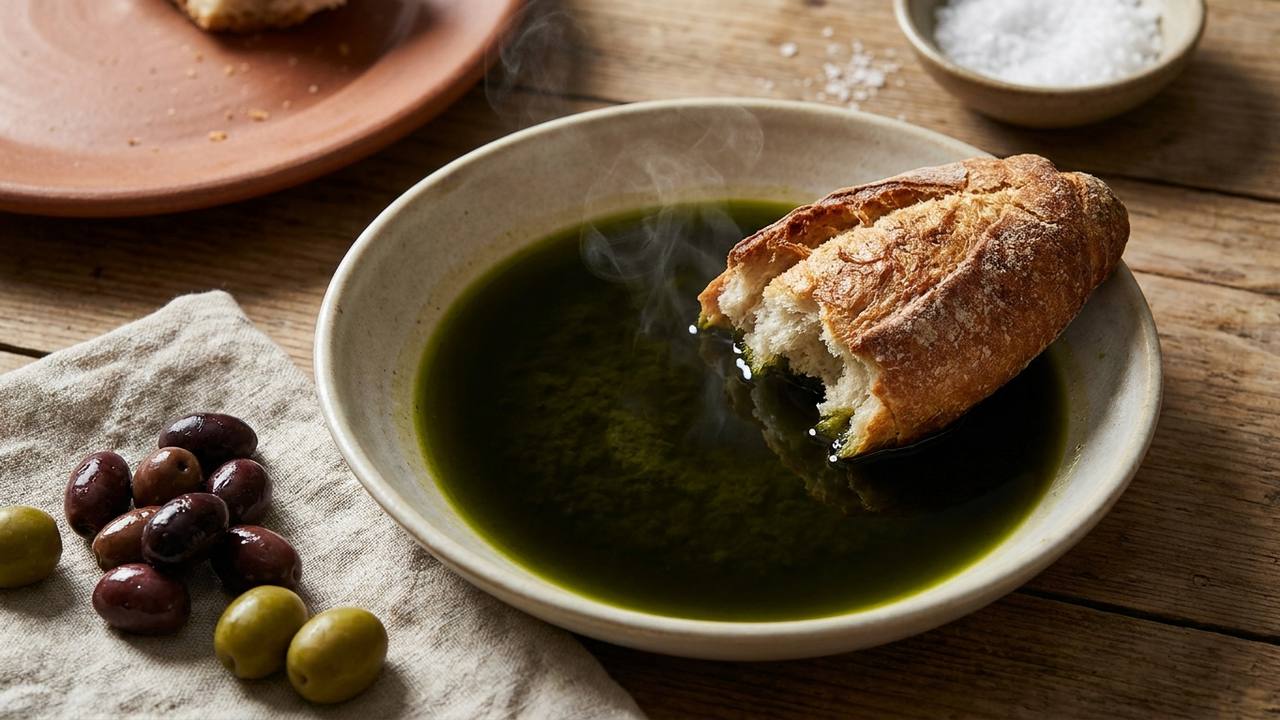
Karayağ
Hürriyet (2017) describes karayağ as a very dark olive oil pressed in an old stone mill, with warm bread dipped into the first, lukewarm oil.
Source: hurriyet.com.tr
AI visual concept Local product
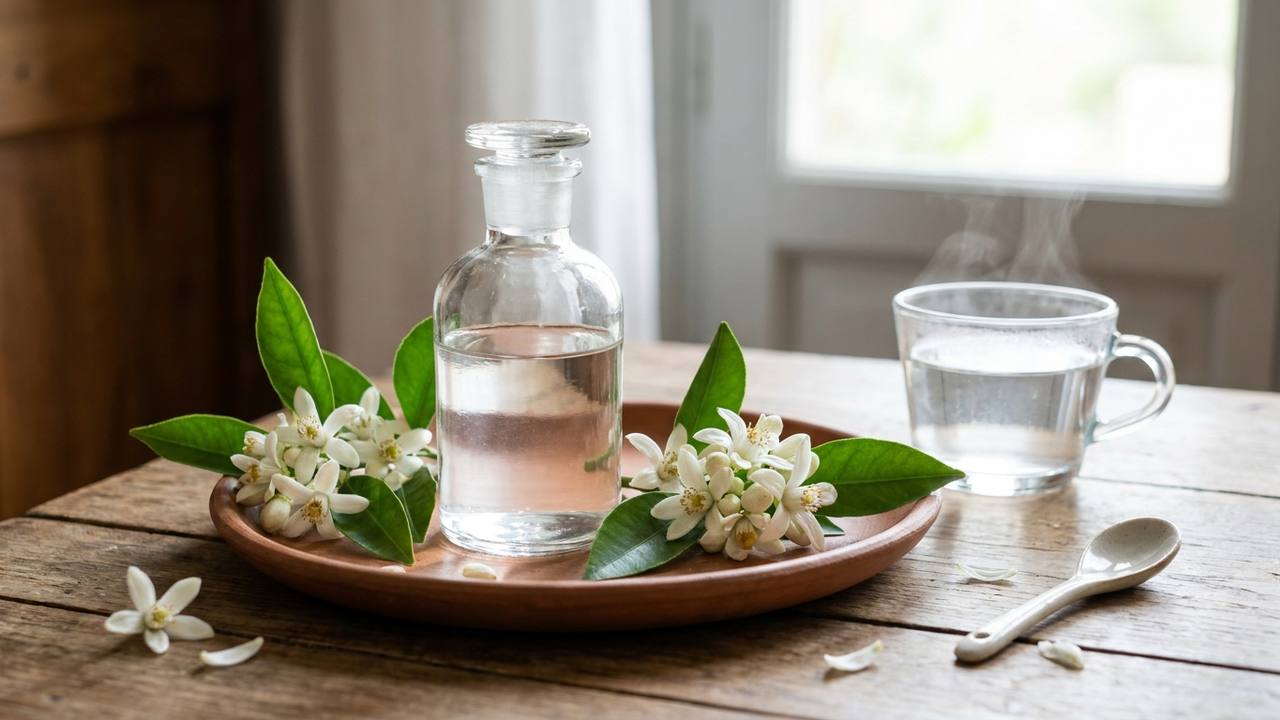
Çiçek suyu (orange blossom water)
Hürriyet (2017) describes çiçek suyu as distilled from orange blossoms like rose water, with a spoonful added to ekmek kadayıfı, güllaç or hot water.
Source: hurriyet.com.tr
AI visual concept Drink
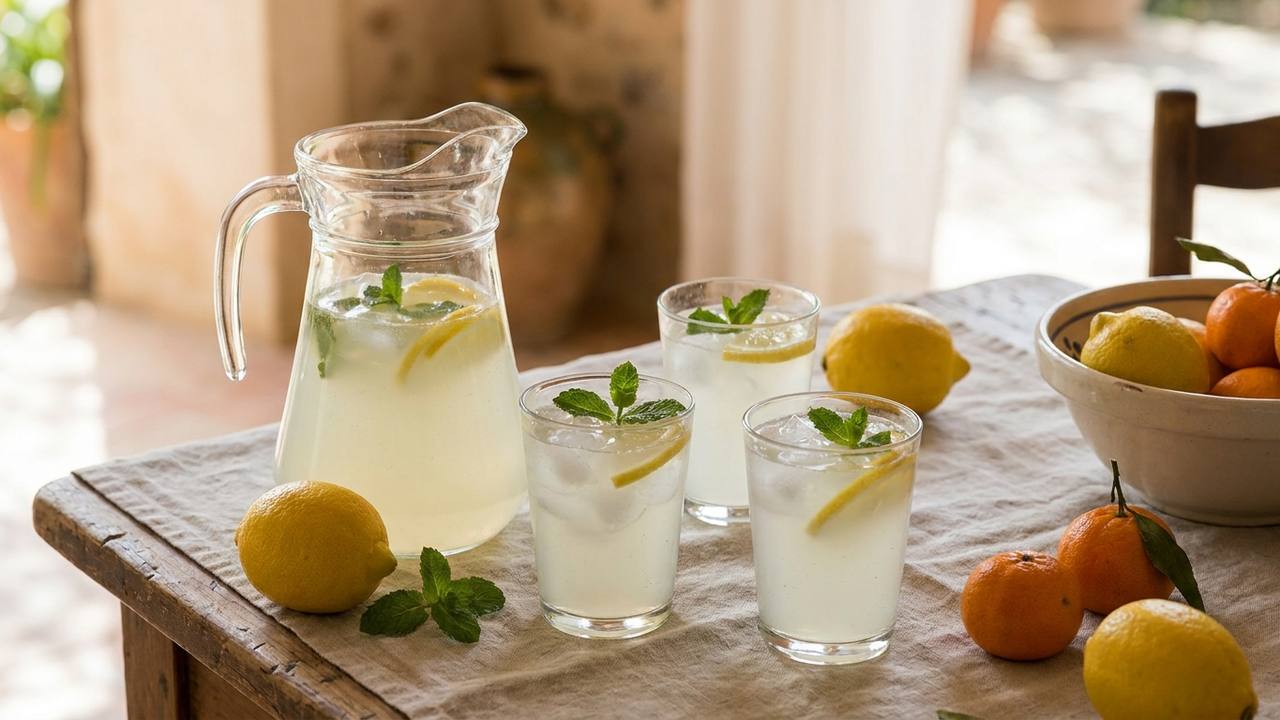
Limonata (leymonata)
The thesis describes lemonade with lime peel or mint, drunk cold in summer. Hürriyet (2017) also mentions mandarin lemonade, and the thesis notes the citrus around Güzelyurt.
Source: i-rep.emu.edu.tr
AI visual concept Drink
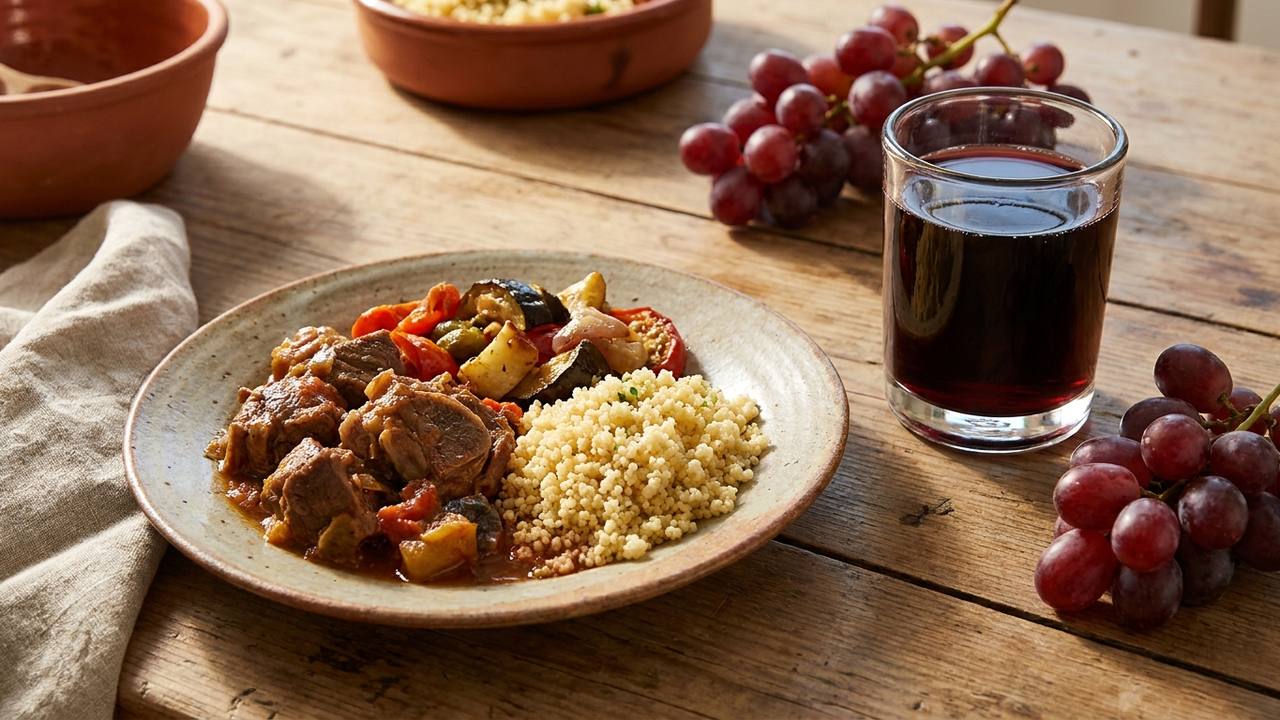
Şıra
The thesis describes şıra as a non-alcoholic red drink made from grape juice, once usually drunk alongside meals.
Source: i-rep.emu.edu.tr
AI visual concept Drink
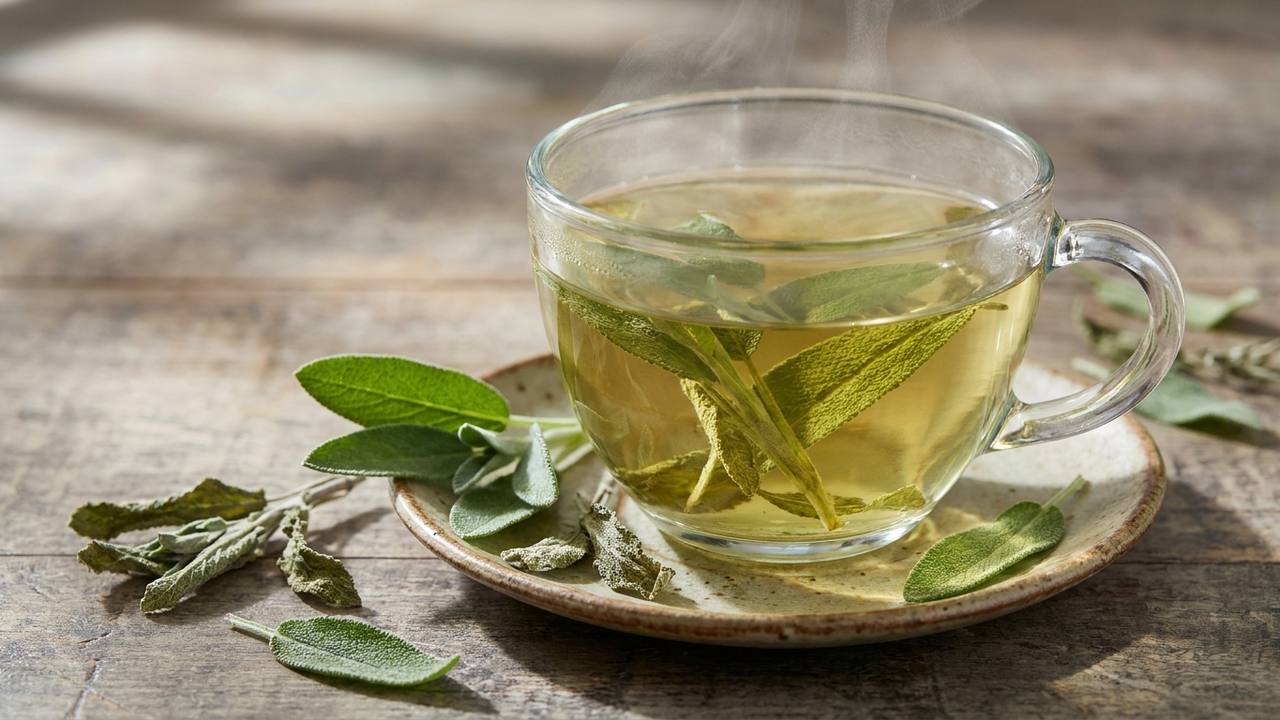
Adaçayı (sage tea)
The thesis says herbal teas are the usual tea, and lists wild-growing sage among them. It also notes that coffee and tea are often drunk with milk.
Source: i-rep.emu.edu.tr
AI visual concept Local product
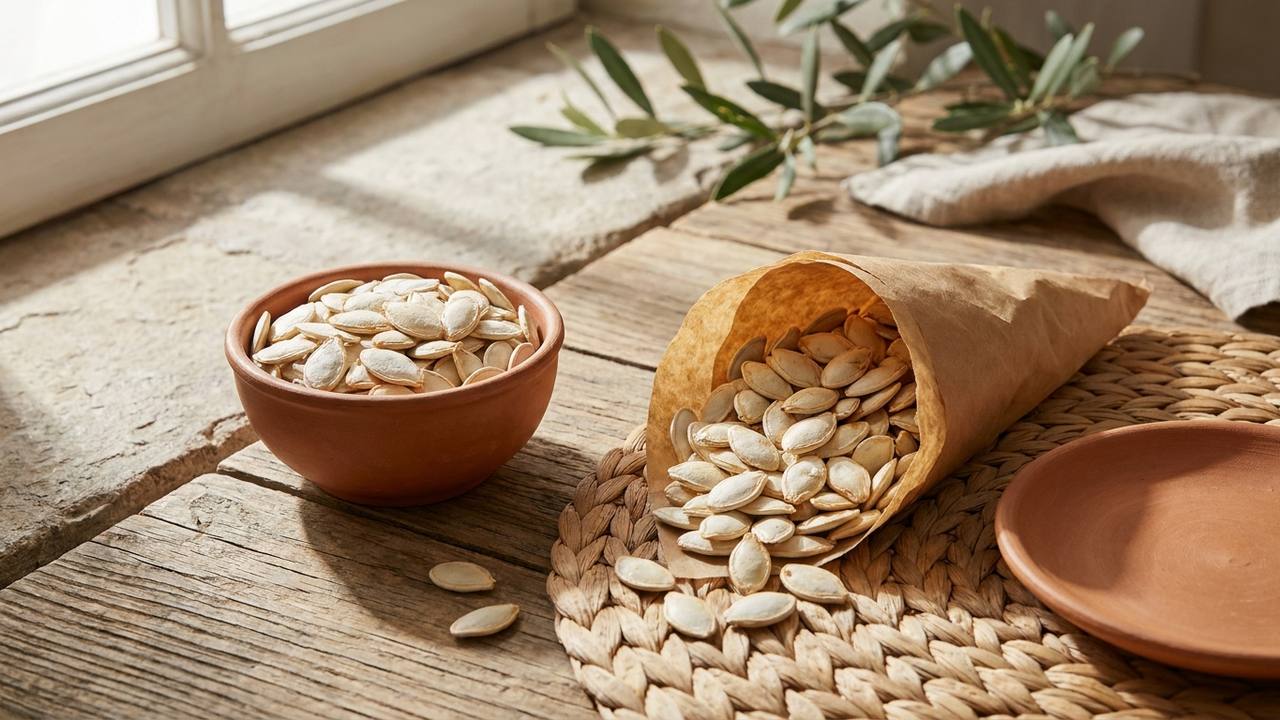
Basadempo
Cumhuriyet (2014) names basadempo as salted pumpkin seeds, eaten while strolling in Girne.
Source: cumhuriyet.com.tr
AI visual concept Local product
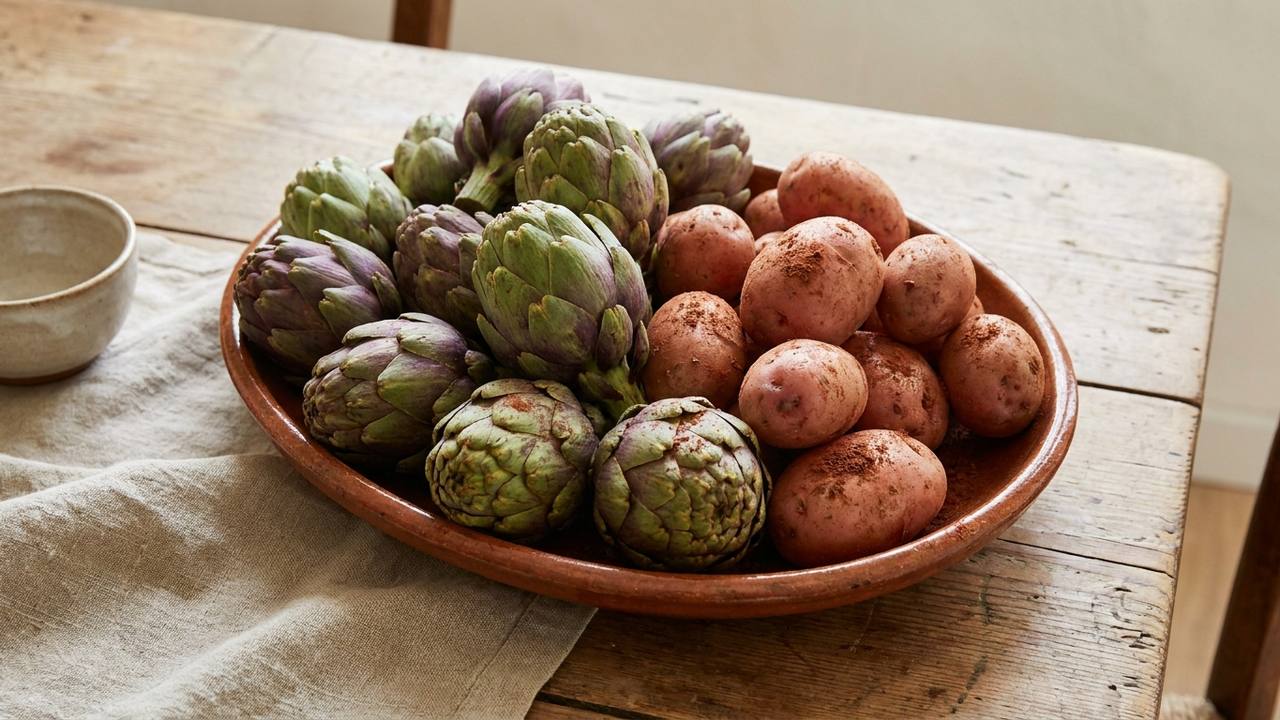
Kıbrıs enginarı and Kıbrıs patatesi
Hürriyet (2017) describes small, fleshy artichokes eaten by scraping the leaves, and a red-soil potato suited to frying or boiling.
Source: hurriyet.com.tr
AI visual concept Local product
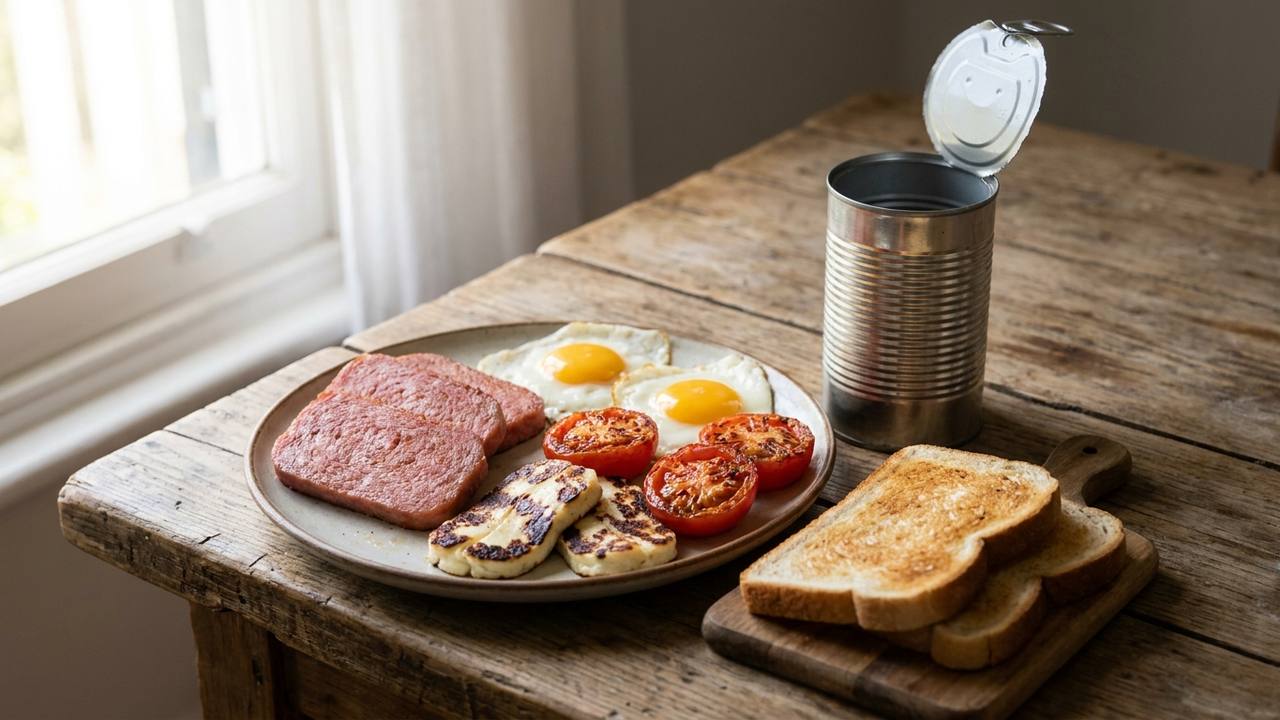
Bolibif
Yemek.com describes bolibif as a canned meat product put in sandwiches and eaten with egg, hellim or tomato.
Source: yemek.com
1 / 16

Seasonal notes
A few sources tie dishes to the time of year. Visit North Cyprus says people pick and dry molehiya in the summer months, harvest green olives for çakıstez from October, and make ceviz macunu with green walnuts picked in late spring or early summer.
The thesis describes luvana salad, also called winter salad, made with fresh coriander, spring onion and orange, or simply with lemon and salt. The luvana plant is no longer harvested as before but still grows wild. The thesis also describes lemonade with lime peel or mint, drunk cold, especially in summer.
AI visual concept Local product
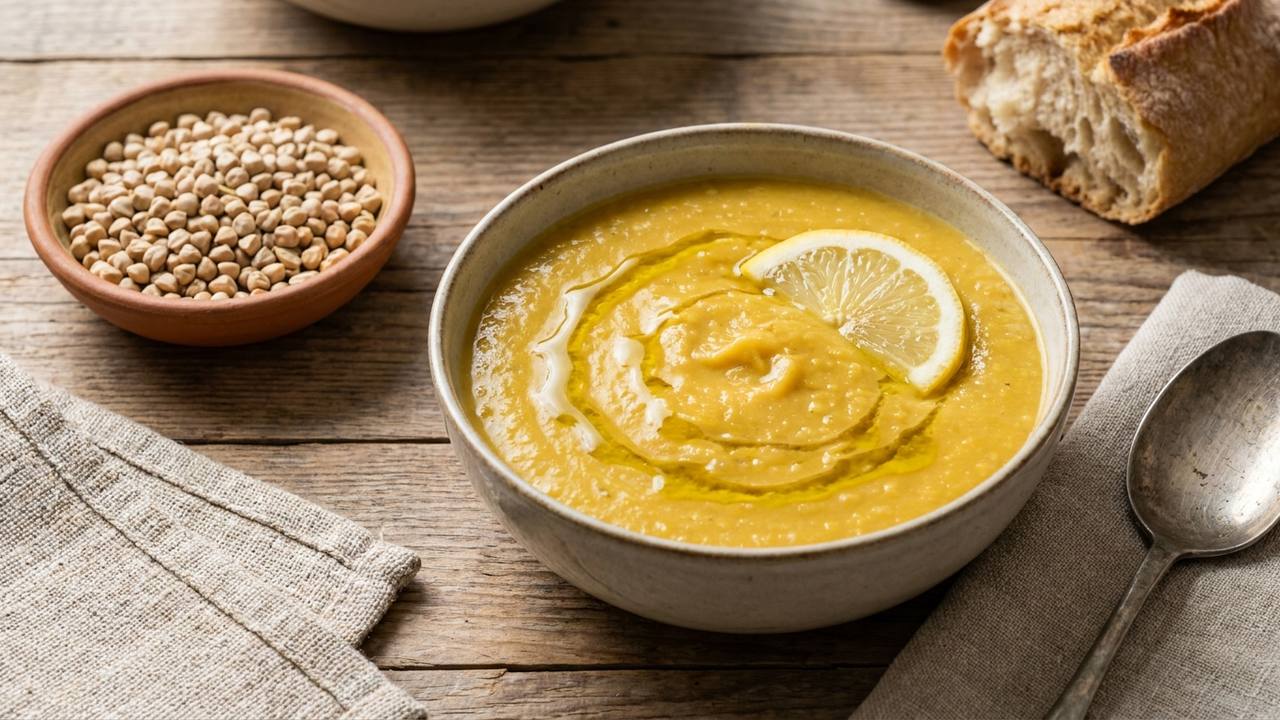
Luvana
The thesis describes luvana as a plant with a seed smaller than a pea, used for soup, salad, pickle and an egg dish. It says harvesting has declined and red lentil soup replaced the soup.
Source: i-rep.emu.edu.tr
1 / 1
Where to eat
For restaurants, meyhanes and bars across North Cyprus, see Nightlife and dining in North Cyprus. Visit North Cyprus says traditional meyhanes are concentrated inland in Nicosia and Gönyeli, though most towns have at least one. Dishes and opening arrangements change, so check with the venue. For the drinks and the questions worth asking on a first visit, see Cyprus meyhane and drinking culture.
Practical notes
- Spellings differ between sources (for example molehiya or molohiya, gullurikya or gullurga, chakistes or çakıstez); this page gives the Turkish name first where a source uses it.
- Visit North Cyprus states that kolokas skin and roots are poisonous until cooked and should not be eaten raw.
- Several dishes contain meat, hellim or other dairy; Visit North Cyprus mentions a vegetarian version of molehiya. No source reviewed states halal or allergen details, so ask the venue.
- The thesis reports that home preparation of macun is declining, and recipes vary by region; the descriptions here are summaries of cited sources, not fixed recipes.
- Golyandro is a coriander term in every source that uses it (Cumhuriyet, Yemek.com, Hürriyet, thesis); no source reviewed treats it as a dish or a spice blend.
- Bidda badadez: the thesis does not mention badadez; the dish description rests on a 2013 Yenidüzen review and the Cumhuriyet glossary. A May 2026 municipal report calls Bidda Badadez a Gaziköy festival tradition (festival held 17 May 2026) without describing the food.
- Sources disagree on şeftali kebabı: Enuygun (2023) describes it with a peach flavour and a slice of peach, while Yemek.com says it contains no peach and the thesis and Visit North Cyprus list no peach. The existing card follows the thesis; Enuygun's version was not used.
- Several thesis macun entries come from the thesis's own secondary sources (for example Ertürk, 2018); the page should keep attributing them to the thesis.
- Hürriyet (2017) and Cumhuriyet (2014) are older columns; recipes and availability may have changed.
Frequently asked questions
What is traditional food in North Cyprus?
Sources describe dishes such as şeftali kebabı, molehiya, kolokas, hellimli, pilavuna and magarina bulli. Visit North Cyprus and a 2022 Eastern Mediterranean University thesis list meze, meat, herb dishes, pastries and sweets as part of the local kitchen.
Which sweets is North Cyprus known for?
Sources describe ceviz macunu (green walnut preserve), gullurikya, paluze, basdiş, gırbaç and Kıbrıs tatlısı. A 2022 thesis lists many of them, and Visit North Cyprus describes ceviz macunu as a spoon sweet often served to guests.
What is meze?
Visit North Cyprus describes meze as the small dishes that start a meyhane meal, with cold plates first and then warm ones such as grilled hellim in pitta. It says there is no menu and dishes keep arriving until diners stop.
What is molehiya?
Visit North Cyprus describes molehiya as leaves of Corchorus olitorius cooked with tomato, onion, garlic and lemon juice, with lamb or chicken. The leaves are picked and dried in summer, and a vegetarian version is mentioned.
What is pilavuna?
A 2022 thesis describes pilavuna as a yeasted pastry filled with grated hellim, semolina, egg, raisins and dried mint, topped with sesame and nigella seeds. Visit North Cyprus says recipes vary by region and can be salty, semi-sweet or sweet.
What is hellim?
Visit North Cyprus describes hellim as a semi-hard, un-ripened brined cheese made from goat's and sheep's milk, sometimes with cow's milk. It is eaten fresh, grilled or barbecued, and used in pastries such as hellimli and pilavuna.
What is golyandro?
Cumhuriyet's 2014 glossary gives golyandro as coriander (kişniş), with the leaves used as an herb and the seeds as a spice. Yemek.com and Hürriyet name its seeds with çakıstez olives, and the thesis lists fresh golyandro in bulla and bidda fillings.
What is karpuz macunu (watermelon-rind macun)?
A 2022 thesis lists karpuz kabuğu macunu among Cypriot macun types: the white part of the watermelon rind soaked in lime water and cooked in a syrup with cinnamon and cloves. Cumhuriyet (2014) also lists watermelon among macun varieties.
What is alıç macunu (hawthorn macun)?
A 2022 thesis says hawthorn (alıç) grows wild in rural areas and that the fruit is made into macun and jam, spread on bread at breakfast. Cumhuriyet (2014) lists alıç murabbası among homemade preserves sold at a Lefke market.
What is bidda badadez?
Yenidüzen (2013) describes bidda as flattened dough, cooked and rolled around fried potatoes, with variants adding hellim or köfte. Cumhuriyet's 2014 glossary defines badadez as potato, so the name reads as bidda with potato.
What is gullurikya?
Yemek.com describes gullurikya as flour, water and a little salt cooked in molasses, with carob (harnup) molasses as the key ingredient. The 2022 thesis gives it as small dough pieces cooked in carob molasses and water, served warm or cold.
What is şeftali kebabı?
The thesis and Visit North Cyprus describe minced lamb with onion and parsley wrapped in lamb caul fat and grilled over charcoal. Yemek.com states that it contains no peach, and Visit North Cyprus gives two explanations of the name.
What is macun?
The thesis defines macun as preserved fruit or vegetables kept firm, often soaked in lime water, and served to guests with a glass of water. Unlike jam, which is eaten at breakfast, macun is eaten at any time of day.
What is North Cyprus known for?
Sources list different items. Yemek.com names hellimli, şeftali kebabı, molehiya, kolakas, pirohu, gullurikya, samarella, ceviz macunu, paluze, çakıstez and pilavuna. Hürriyet adds karayağ, peksemet and oven pasta, and the thesis classifies many more dishes by type.
Does şeftali kebabı contain peaches?
As of 27 October 2026, sources say it does not. Yemek.com states there is no peach in it; the dish is minced meat with onion and parsley wrapped in caul fat. The origin of the name is debated: Wikipedia and Yemek.com mention a pink colour or a corruption of "Şef Ali kebabı".
Are hırsız kebabı, kleftiko and küp kebabı the same dish?
As of 27 October 2026, Yenidüzen (2013) treats hırsız kebabı (Turkish Cypriot) and kleftiko (Greek Cypriot) as two names for one slow-cooked lamb or kid dish, and describes küp kebabı as a version cooked in a clay jar. Visit North Cyprus lists "Kup Kebab" as another name for kleftiko.
How is hırsız kebabı traditionally cooked?
As of 27 October 2026, Yenidüzen (2013) describes a wood-fired clay oven: embers pushed aside, branches laid down, the meat placed on them and the opening sealed with a straw-and-mud mix, ready after about two hours. Foil-sealed tray versions and a clay-jar version are also mentioned.
Sources
- Visit North Cyprus: Meyhane, the Cypriot taverna
- Visit North Cyprus: Gastronomy
- Karaer, B. (2022). Kuzey Kıbrıs'a Özgü Yemeklerin Sınıflandırılması ve Bölgelere Göre Değerlendirilmesi. Eastern Mediterranean University master's thesis
- Yemek.com (19 November 2014): 18 Cyprus delicacies
- Enuygun (17 March 2023, updated 2 October 2023): Kıbrıs'ta ne yenir?
- Cumhuriyet (16 February 2024): Kıbrıs tatlısı
- Cumhuriyet, Aylin Öney Tan (25 August 2014): Yemek ve Gezmek
- Hürriyet, Refika Birgül (18 December 2017): Gastronomi cenneti Kıbrıs
- Yenidüzen (29 May 2013): Bidda Badadez, review
- In Your Pocket: Turkish Cypriot food, traditional dishes to try
- Visit North Cyprus: Seftali Kebab
- Değirmenlik Akıncılar Municipality (May 2026): Gaziköy Bidda Badadez festival report
Questions about North Cyprus?
Write to NORTHEA for a private conversation about areas, hotels or property.