
About North Cyprus · Güzelyurt and Lefke
Places to see in Güzelyurt (Morphou) and Lefke
As of 24 October 2026, the Department of Antiquities and Museums lists five museums and sites in its Güzelyurt region: the Güzelyurt Museum of Archaeology and Nature with St Mamas Church, the Lefke Mining Museum, the Güzelyurt Railway Station Museum, Soli and Vouni Palace. This page sets out what the Department, Visit North Cyprus, universities and dated BRT reports say about these places, Lefke's old town and mining heritage, the orange-growing plain and nearby Koruçam, with a link to every source. It gives no opening hours, fees or coordinates.
Checked 24 October 2026 against the sources named in the text and listed below. Positions of parties are attributed to them.

Soli, Vouni Palace and Petra tou Limnidi
According to the Department of Antiquities and Museums (Eski Eserler ve Müzeler Dairesi), the Güzelyurt region has five museums and sites in its care: the Güzelyurt Museum of Archaeology and Nature with St Mamas Church, the Lefke Mining Museum, the Güzelyurt Railway Station Museum, Soli and Vouni Palace. The Department's Soli page traces the city back to the 11th century BC, when it appears as Si-il-lu in an Assyrian tribute list, and says it was destroyed during the Arab raids of the 7th century.
The Department describes Vouni Palace as built on a hill 250 m above sea level by the pro-Persian king of Marion to watch over Soli, with four building phases from about 500 BC until it burned and was abandoned in 380 BC. Visit North Cyprus adds that the islet of Petra tou Limnidi, visible from the palace, was excavated by the Swedish Cyprus Expedition in 1929. A few of these places also appear briefly on the family days out page; this page goes into more detail.
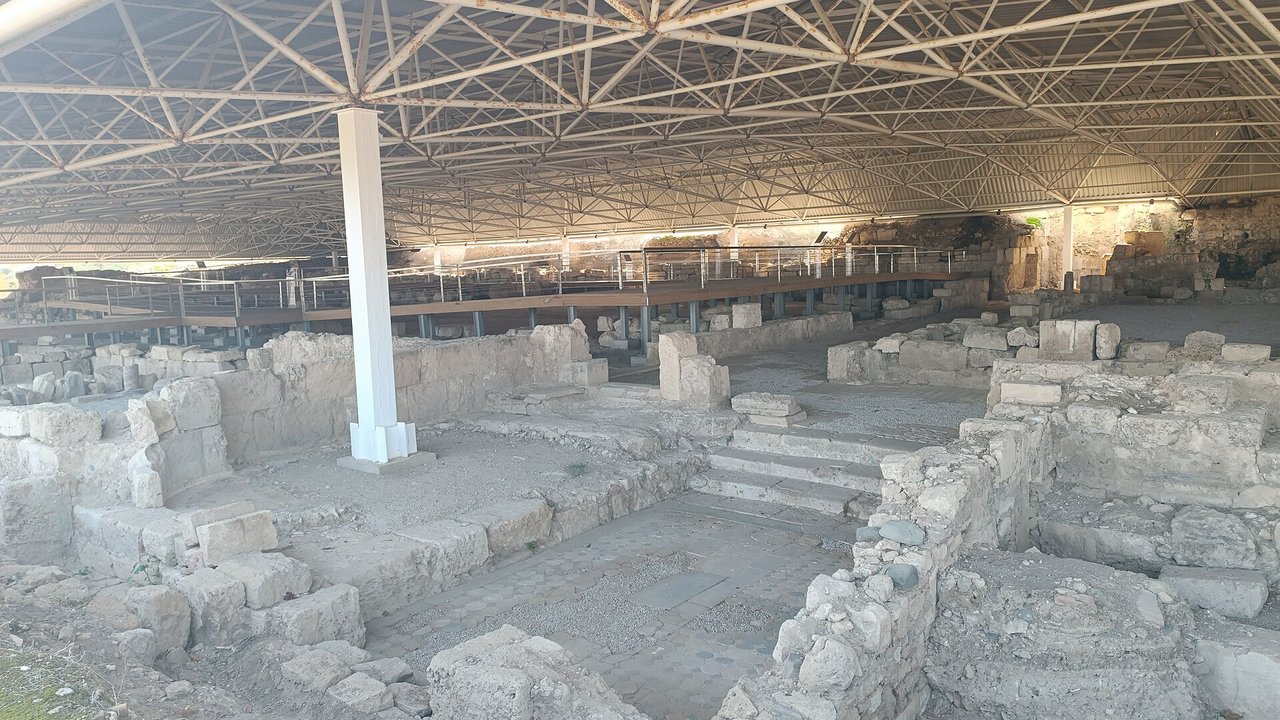
ToprakM · CC BY-SA 4.0 · Wikimedia Commons Ancient city
Soli (Soloi), near Gemikonağı
The Department says Soli joined the revolt against the Persians in 498 BC, prospered in the Roman period and was represented by bishops at the Council of Nicaea in AD 325. It reports that the copper mines closed and the harbour silted up in the 4th century AD.
Source: eemd.gov.ct.tr
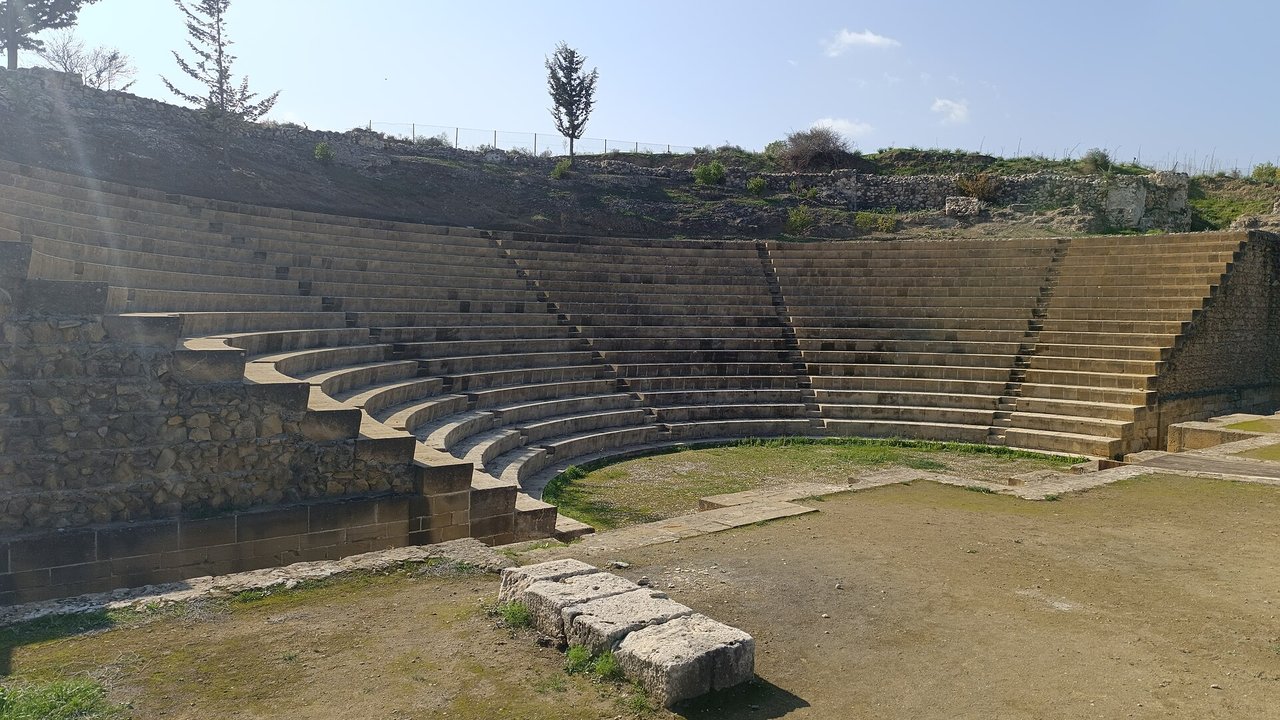
ToprakM · CC BY-SA 4.0 · Wikimedia Commons Theatre
Roman theatre at Soli
Visit North Cyprus dates the theatre to the end of the 2nd century AD, with 17 rows of seats cut into the hillside and a capacity of some 4,000. It says stones from the theatre were taken in the second half of the 19th century for building Port Said in Egypt.
Source: visitncy.com
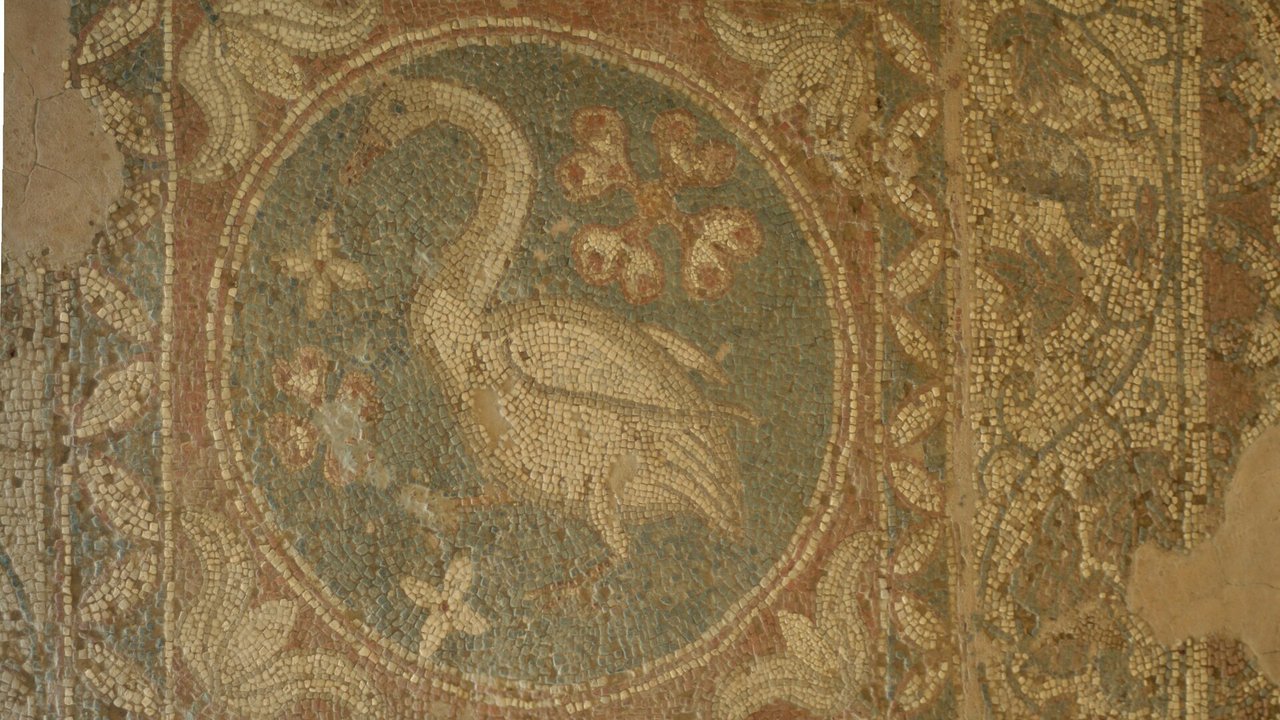
Ira Goldstein · CC BY-SA 3.0 · Wikimedia Commons Basilica
Soli basilica and mosaics
Visit North Cyprus says a coin dates the basilica to the late 4th century AD and that it was later rebuilt as a three-aisled church in the 6th century. It describes floor mosaics including a swan surrounded by flowers and four small dolphins.
Source: visitncy.com
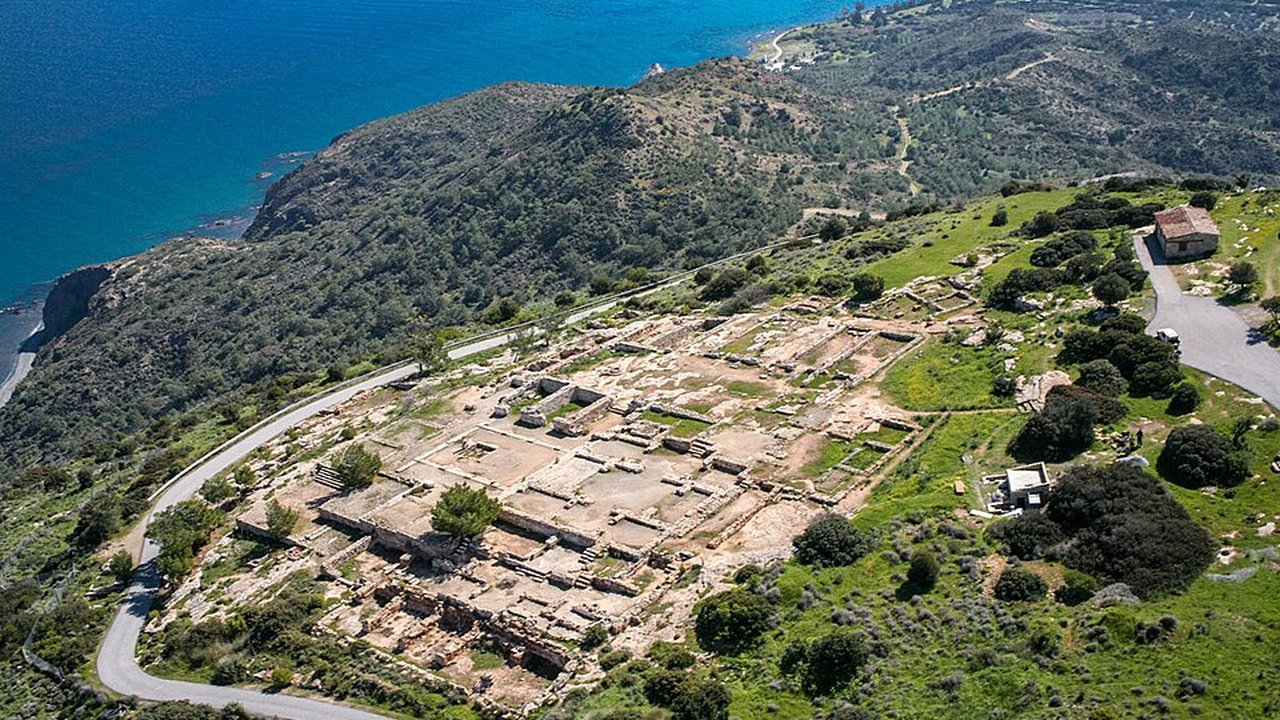
Monoskolaggi · CC BY-SA 4.0 · Wikimedia Commons Palace
Vouni Palace (Vuni Sarayı)
The Department says the palace, built on three terraces, is estimated to have had 137 rooms, with administrative areas, storerooms, baths and rock-cut cisterns for rainwater. It credits Swedish archaeologists with the excavations of 1928 to 1929.
Source: eemd.gov.ct.tr
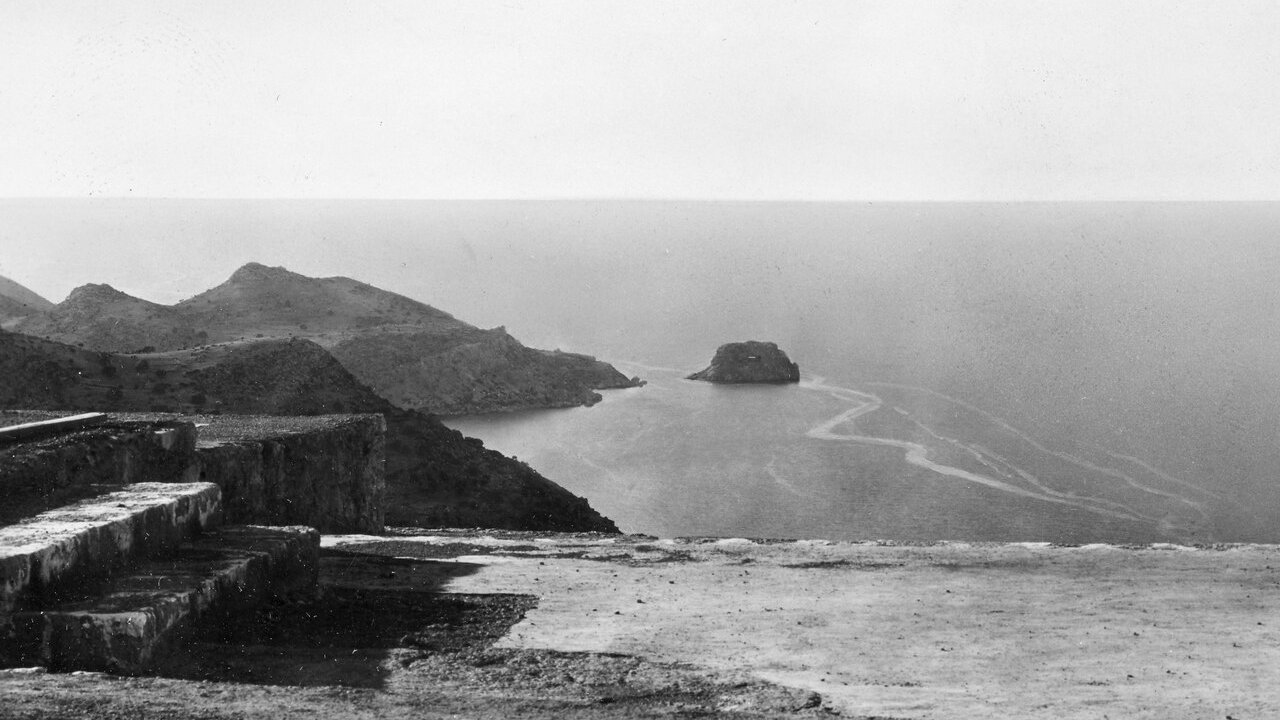
John Lindros · CC0 · Wikimedia Commons Islet
Petra tou Limnidi
Visit North Cyprus says the Swedish Cyprus Expedition excavated the islet for two weeks in 1929 and found the remains of two Neolithic huts and objects of flint, bone and stone. It describes the islet today as a nesting place for the yellow-legged gull and the European shag.
Source: visitncy.com
1 / 8

St Mamas Church and the Güzelyurt Museum of Archaeology and Nature
According to the Department of Antiquities and Museums, the museum occupies the building that served as the Metropolitan's residence before 1974, with a nature section on the ground floor and an archaeology section upstairs arranged from the Neolithic to the Byzantine period. The Department says the church beside it has been used as an icon museum since 1974 and that its fittings remain as they were left that year.
The two main sources date the church differently. The Department says the present yellow-stone church was built in the 16th century on the site of a temple of Astarte and an earlier Byzantine church, and that a dome was added in the 18th century. Visit North Cyprus says most of the buildings date from the 18th century and that the monastery buildings are recorded as built in 1779. Both describe the legend of the saint riding a lion into town.
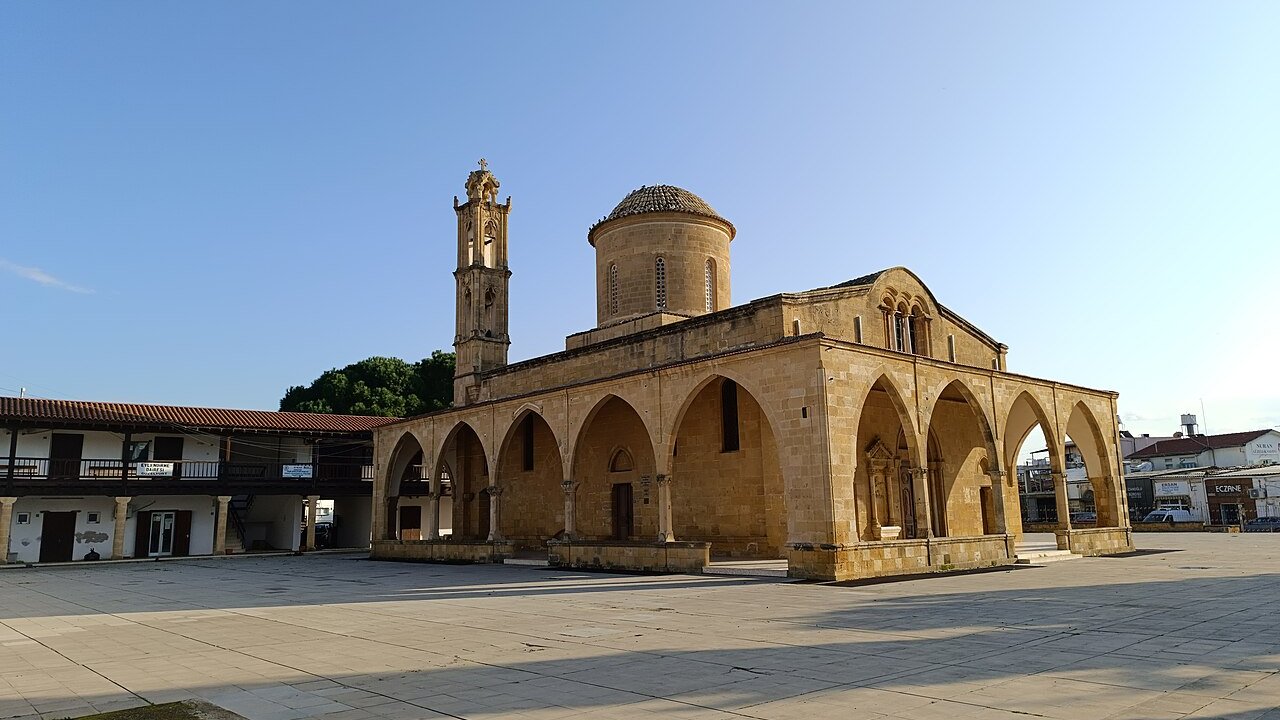
ToprakM · CC BY-SA 4.0 · Wikimedia Commons Church
St Mamas Church (Aziz Mamas Kilisesi)
The Department describes a three-aisled church with a dome over the central nave, Gothic pointed arches around the west door, and a bell tower and porticoes from the early 20th century. It says 2 September is remembered as the day of the saint's martyrdom.
Source: eemd.gov.ct.tr
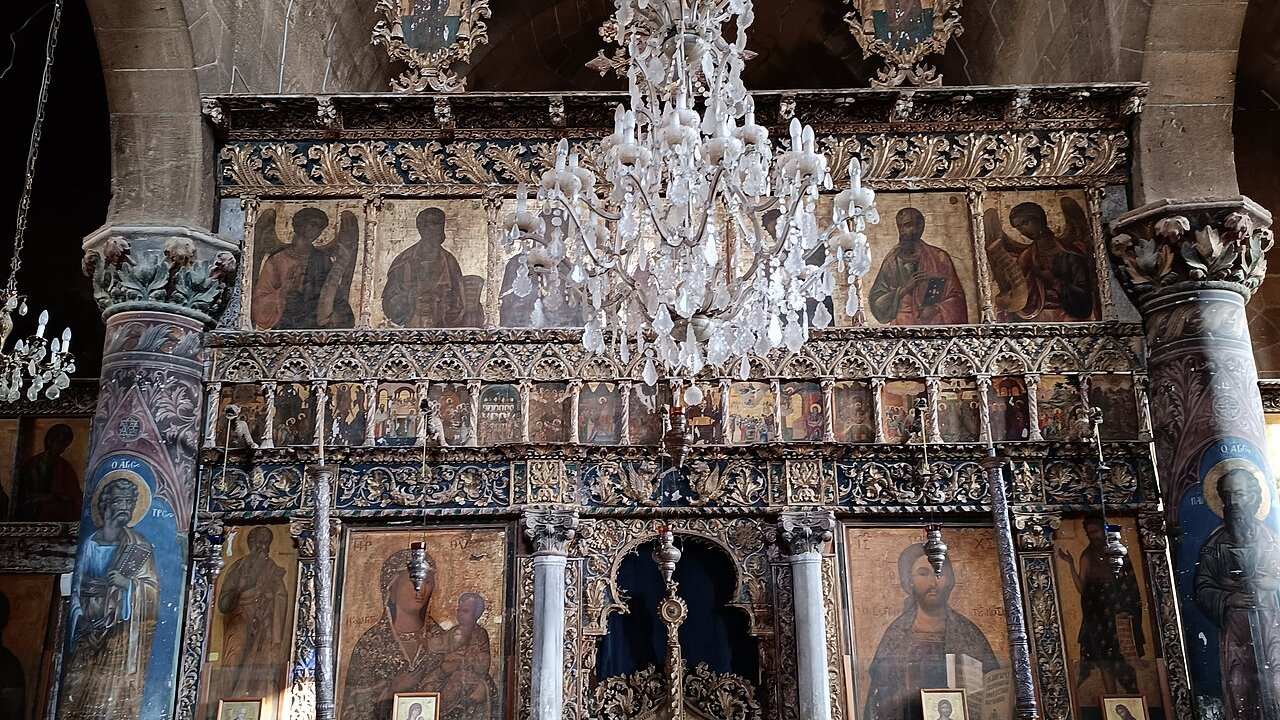
ToprakM · CC BY-SA 4.0 · Wikimedia Commons Iconostasis
Carved iconostasis and pulpit
The Department says the iconostasis has 16th-century wood carving above a marble lower part decorated with figs, grapes, acorns and Venetian shields. Visit North Cyprus says the pulpit was built in 1711 and the oldest icon dates to around 1745.
Source: visitncy.com
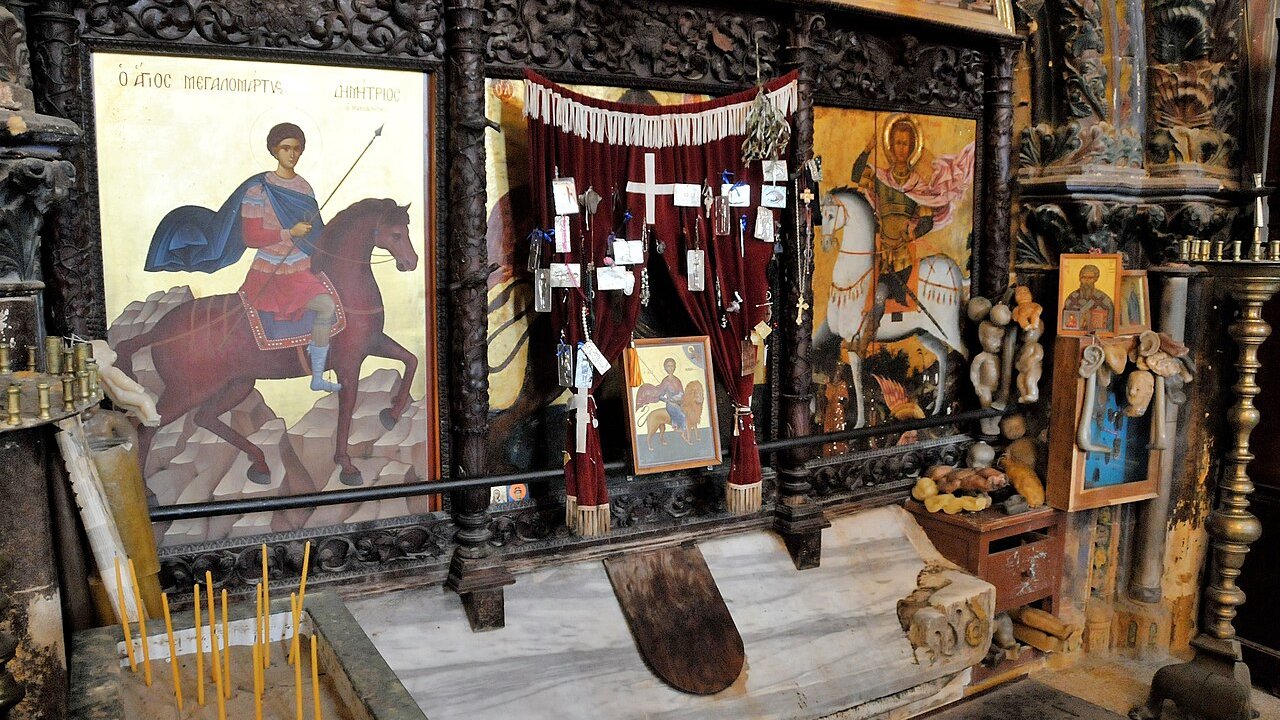
CTHOE · CC BY-SA 4.0 · Wikimedia Commons Tomb
Sarcophagus of St Mamas
The Department says the saint's sarcophagus, half visible inside and half outside the north wall, is believed to give out a liquid said to heal ear and eye pain. Candles and silver ears are left beside it as votive offerings.
Source: eemd.gov.ct.tr
ToprakM · CC BY-SA 4.0 · Wikimedia Commons Archaeological site
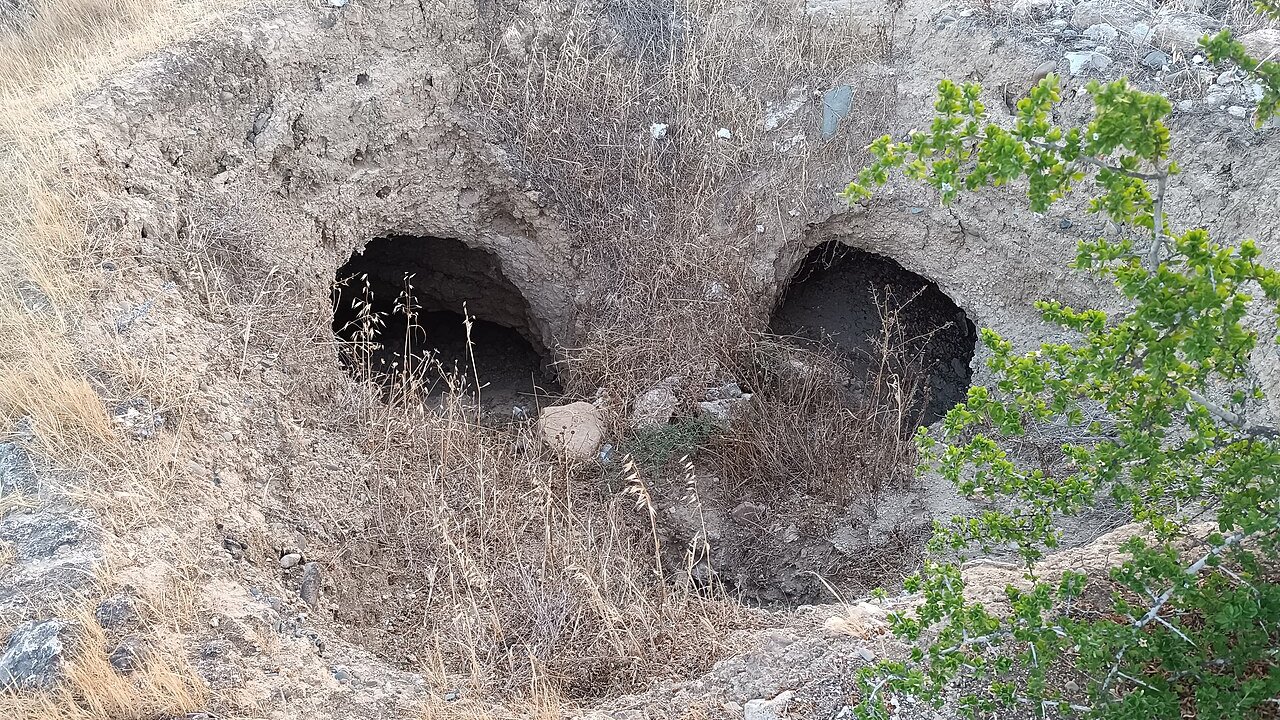
Toumba tou Skourou (Tumba tu Skuru)
The Department says this settlement mound on the north bank of the Ovgos river yielded finds from the 16th to the 5th century BC in excavations led by Emily Vermeule for Harvard University and the Museum of Fine Arts, Boston, from 1971 to 1974. It states that the site is closed to visitors to prevent damage; its finds are shown in two rooms of the museum.
Source: eemd.gov.ct.tr
1 / 7

Railway heritage: the Güzelyurt station museum and Lefke locomotives
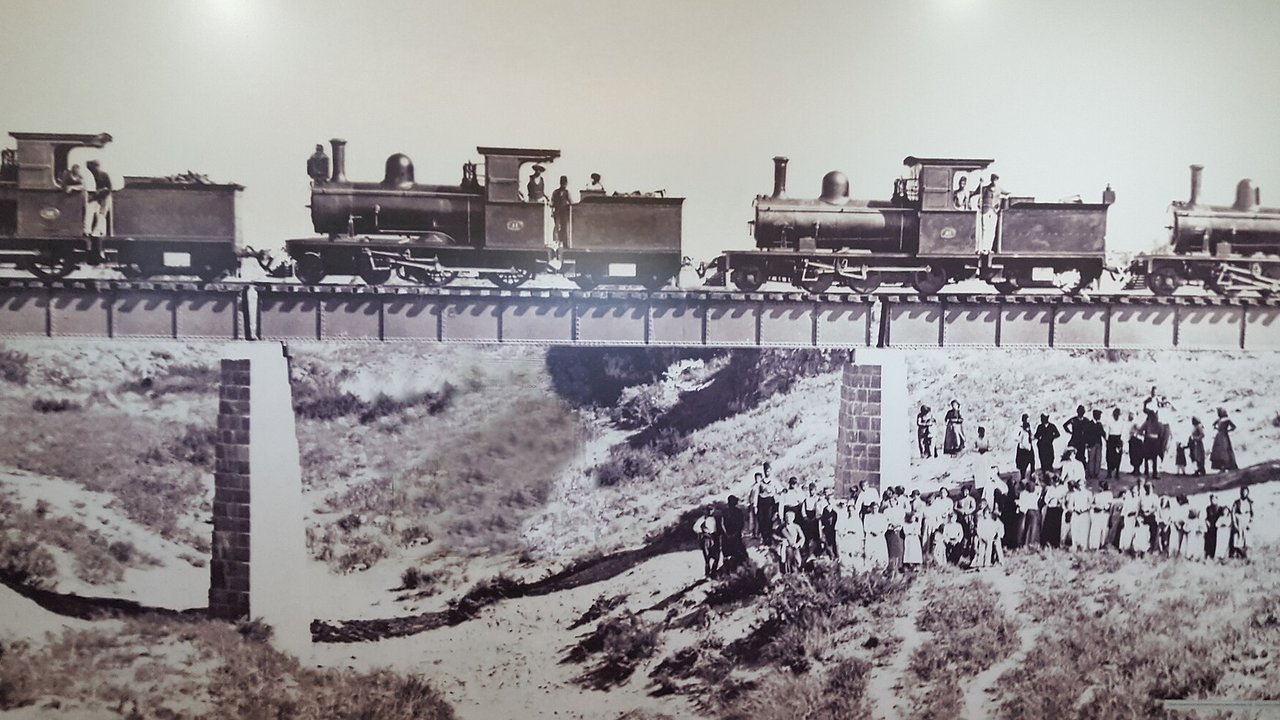
The Cyprus Government Railway was an island-wide network, not a TRNC-specific one. According to Visit North Cyprus, it was a 762 mm narrow-gauge line that ran from October 1905 to December 1951 over 122 km and 39 stations, linking Famagusta, Nicosia, Güzelyurt and Çamlıköy near Lefke. No trains run in North Cyprus today, the same source notes.
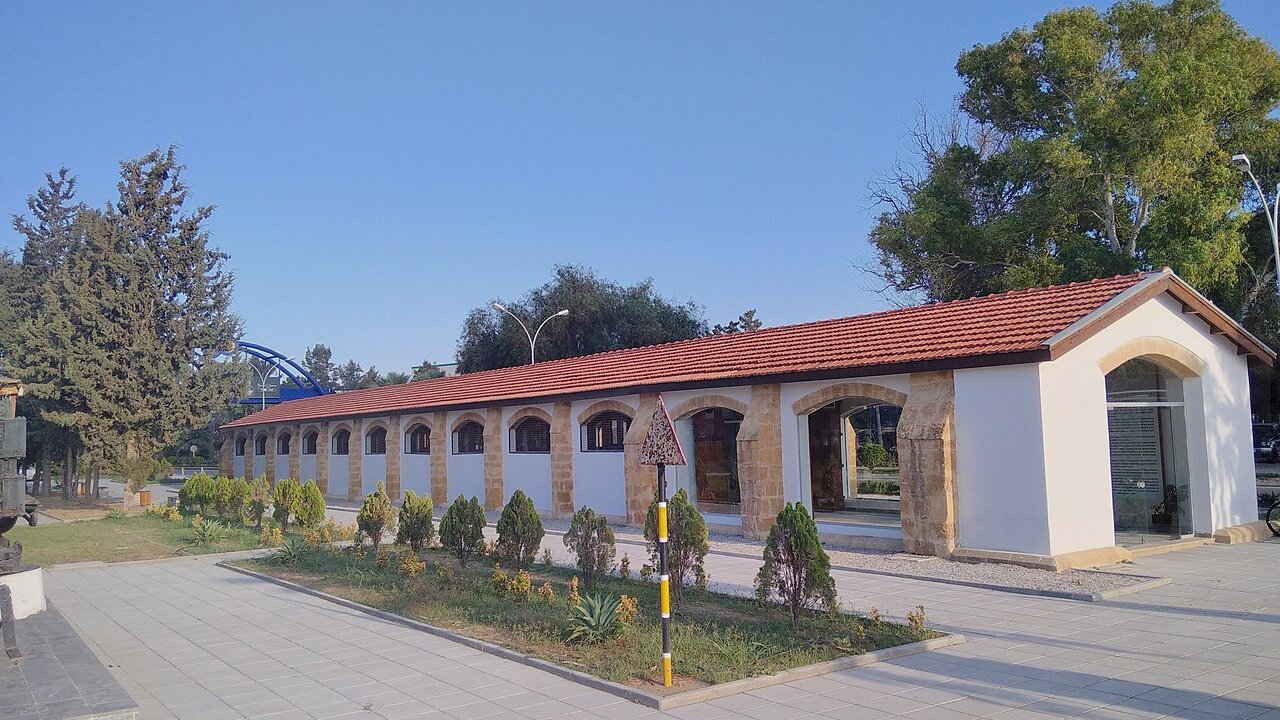
The Department of Antiquities and Museums says the Güzelyurt (Morphou) station opened to traffic on 31 March 1907 and served as the region's gateway until the railway closed in 1951, carrying citrus to Famagusta. Restoration began on 14 November 2017 and the railway museum opened on 18 May 2022.
ToprakM · CC BY-SA 4.0 · Wikimedia Commons Museum
Güzelyurt Railway Station Museum (Tren İstasyonu Müzesi)
The Department describes a two-storey 2nd-class station building with a two-bay locomotive shed, a turntable and goods sheds; the station building and all but one shed survive. The buildings were declared monuments in 1999.
Source: eemd.gov.ct.tr
ToprakM · CC BY-SA 4.0 · Wikimedia Commons Restoration
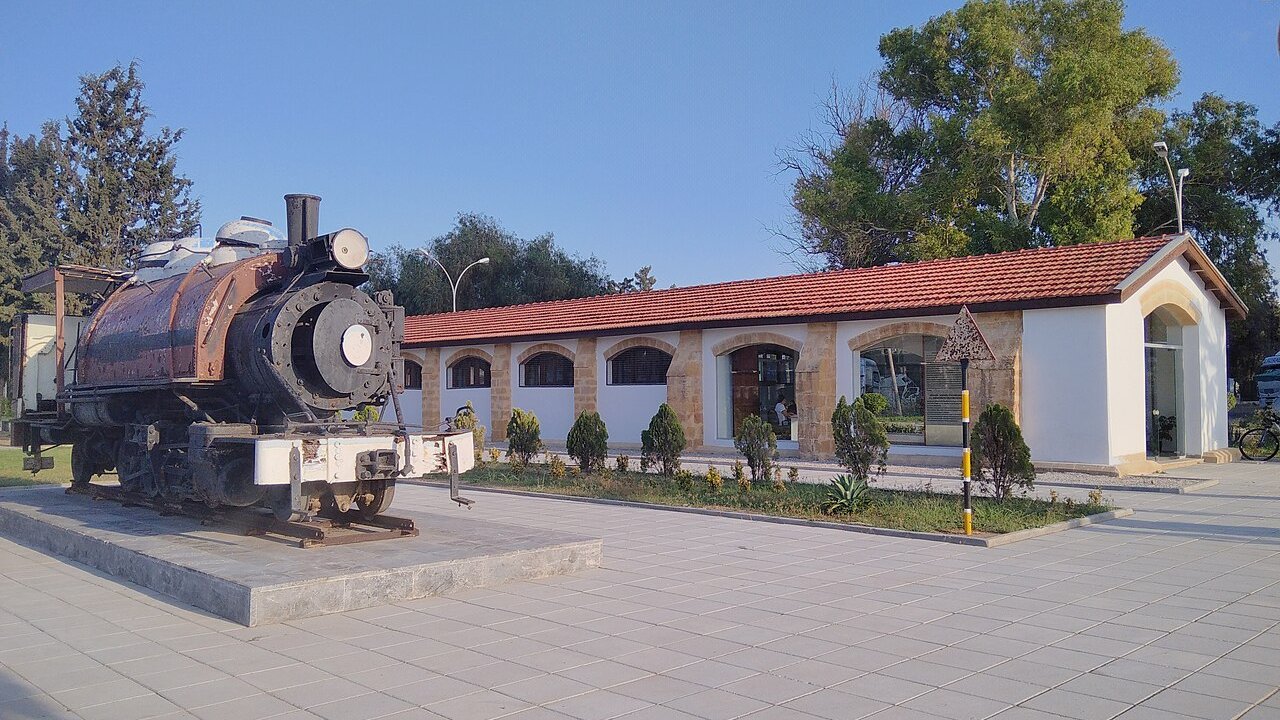
Station restoration, 2017–2022
The Department says restoration ran from 14 November 2017 to 18 December 2018, using old photographs of the building, followed by landscaping and electrical work between 31 December 2019 and 21 December 2020. The museum opened on 18 May 2022.
Source: eemd.gov.ct.tr
Ddovah · CC BY-SA 4.0 · Wikimedia Commons Locomotive
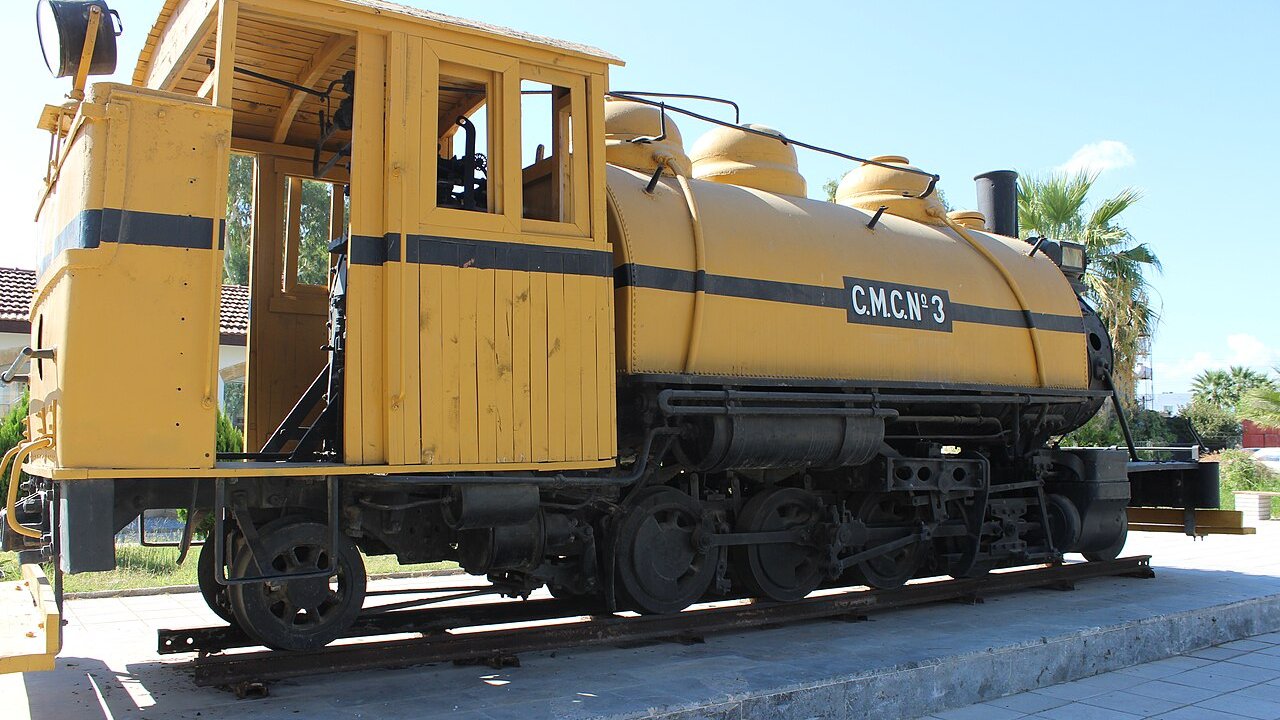
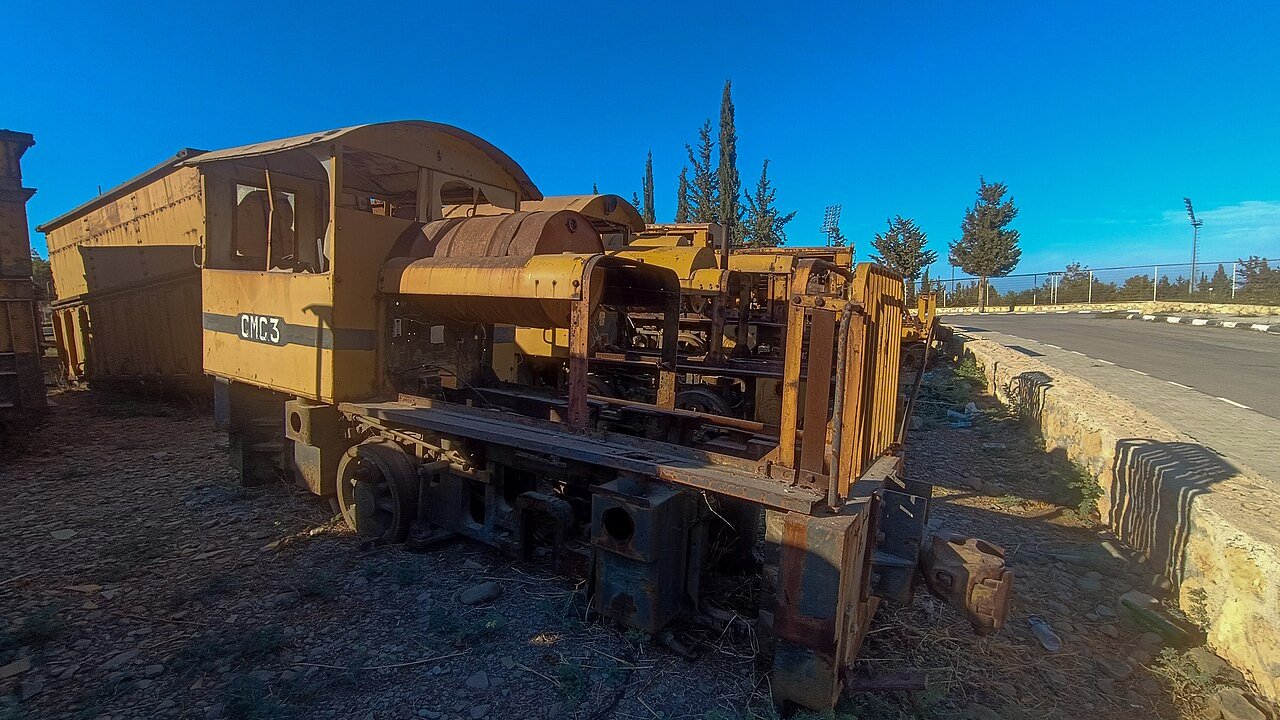
Cyprus Mines Corporation steam locomotive No. 3
The Department says the locomotive was moved from the Güzelyurt Festival Area to the museum grounds on 12 May 2022 and restored by the Department between 23 January and 27 April 2023.
Source: eemd.gov.ct.tr
Unknown photographer · Public domain · Wikimedia Commons Railway
Cyprus Government Railway (island-wide)
Visit North Cyprus says the railway closed for financial reasons, with the last train leaving Nicosia on 31 December 1951. It reports that over its life the line carried 3,199,934 tons of goods and 7,348,643 passengers.
Source: visitncy.com
ToprakM · CC BY 4.0 · Wikimedia Commons Open-air display
Locomotives and wagons in and around Lefke
Visit North Cyprus says a railway extension served the Cyprus Mines Corporation until 1974, carrying ore from the Lefke region. It counts 10 locomotives and 20 wagons on display in and around Lefke, not all in good condition.
Source: visitncy.com
1 / 6

Lefke: the old town, mosque and aqueduct
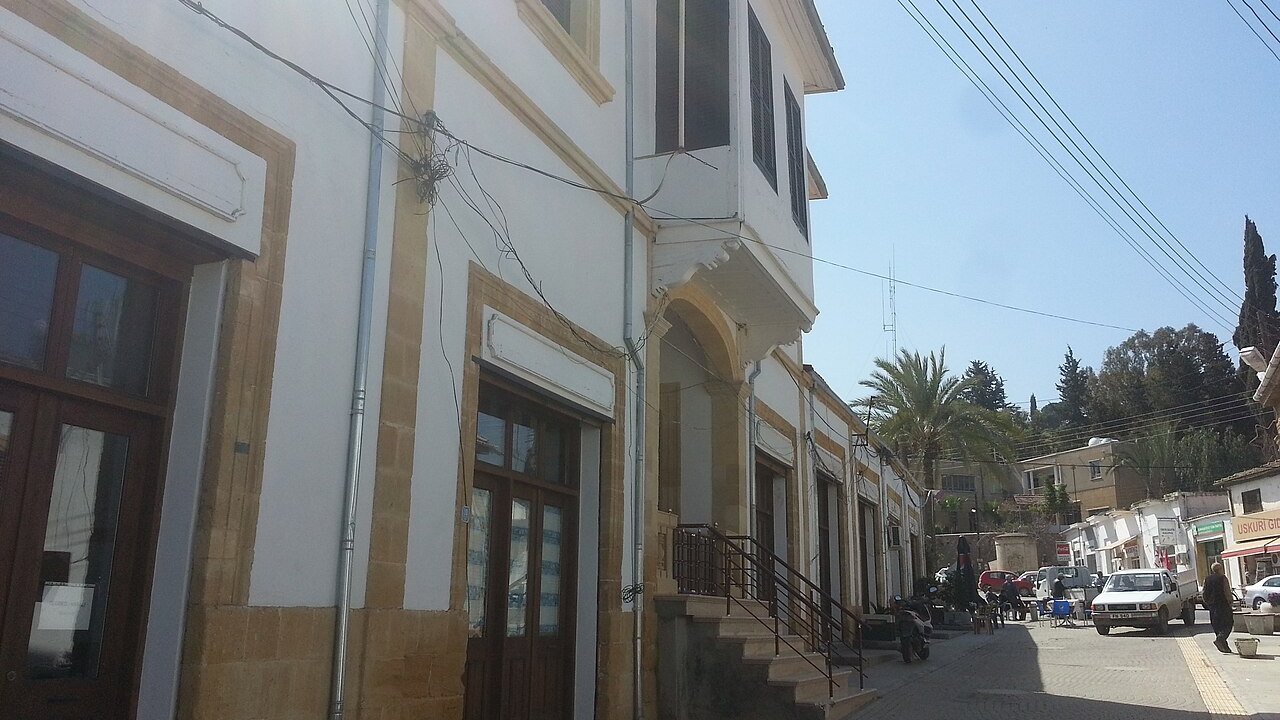
Visit North Cyprus describes Lefke as a small town between the coast and the foothills of the Troodos Mountains, with three Ottoman-period mosques and houses in the centre that reflect its colonial past. A 2020 article by Nevin Turgut Gültekin in the Iconarp International Journal of Architecture and Planning studies the town's residential fabric and finds that it was shaped by successive administration periods; it identifies traditional housing and some Art Deco-style modernist buildings as cultural heritage.
According to Cittaslow International, Lefke received its Cittaslow membership certificate on 7 November 2015, at a meeting in Falköping, Sweden. Visit North Cyprus describes the Piri Mehmet Pasha Mosque, whose garden holds the tomb of Osman Pasha; the mosque is sometimes called after him.
Seksen iki yüz kırk beş · CC BY-SA 4.0 · Wikimedia Commons Historic quarter
Traditional houses of Lefke
Gültekin (2020) documents Lefke's houses as shaped by the town's administration periods and classifies them by type, period and theme. The article says it is the first study to describe the town's residential environment and traditional housing.
Source: doaj.org
Monoskolaggi · CC BY-SA 4.0 · Wikimedia Commons Aqueduct
Lefke aqueduct
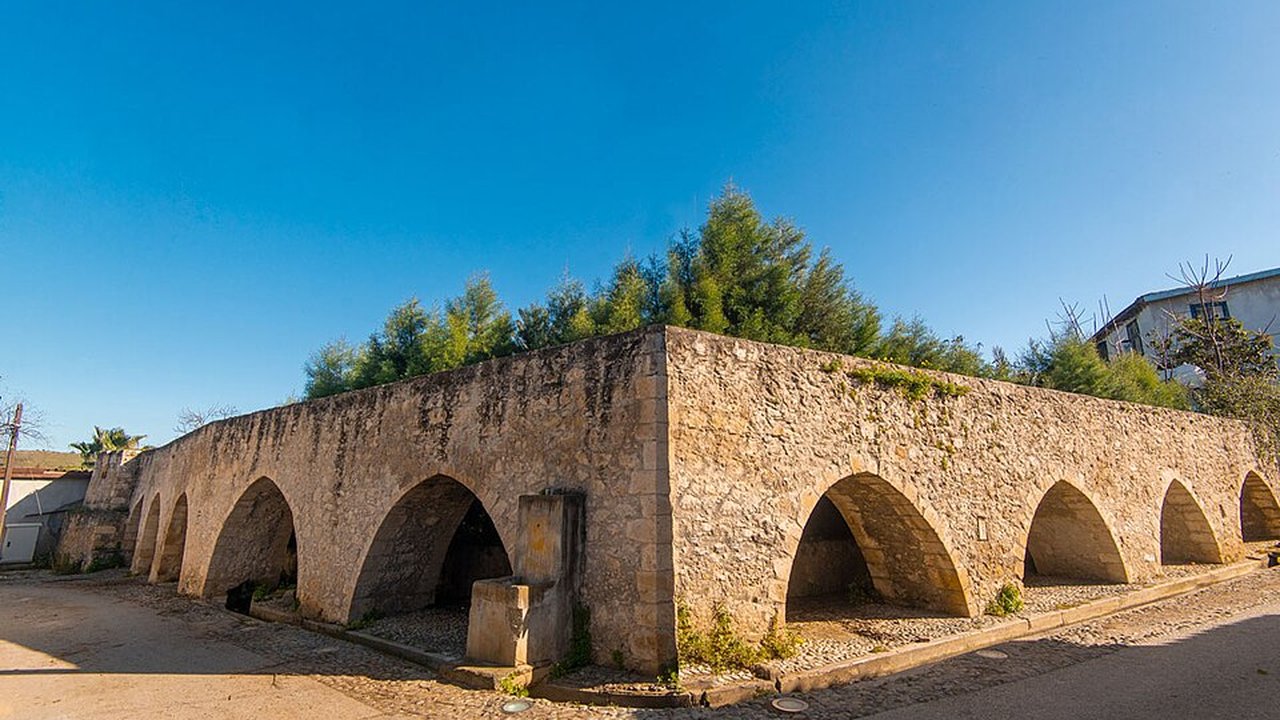
Visit North Cyprus says the stone aqueduct in the town centre is thought to date from around 1609 and that 10 of its arches survive. It reports that it is still used to irrigate orchards and fields.
Source: visitncy.com
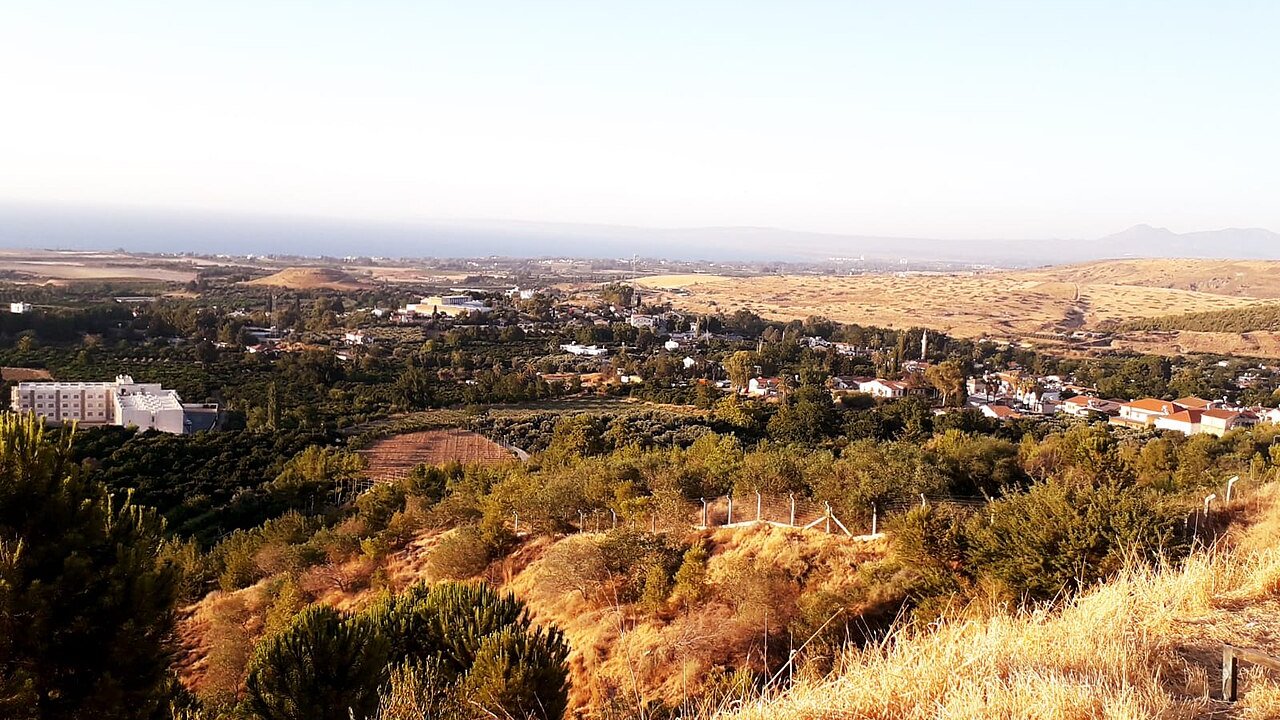
Monoskolaggi · CC BY-SA 4.0 · Wikimedia Commons Town network
Lefke as a Cittaslow town
Cittaslow International says the membership certificate and flag were presented to Lefke municipality on 7 November 2015. It gives the town's slogan as "Lefke – peacefulness is in its nature" and says the municipality and the Lefke Tourism Association promote the Cittaslow approach locally.
Source: cittaslow.org
1 / 6

Mining heritage: the Lefke Mining Museum and the Cyprus Mines Corporation
According to the Department of Antiquities and Museums, the Lefke Mining Museum opened on 24 May 2025 in the cinema part of Vasıf Palas, a building put up as a cinema and hotel in the 1930s and sold to Lefke Municipality in 1983. The museum has three sections: archaeology, geology, and the mining activity of the Cyprus Mines Corporation (CMC).
The Department's account of the CMC says the American-founded company was set up in 1916, extracted its first ore from Skouriotissa in 1919, built its own port at Gemikonağı (Karavostasi) in 1926 and left the island at the end of March 1975 after paying its workers, leaving behind what the Department calls a major environmental disaster. A 2022 article in Geoheritage by researchers at Eastern Mediterranean University assesses the derelict CMC site at Lefke for conservation and mining tourism.
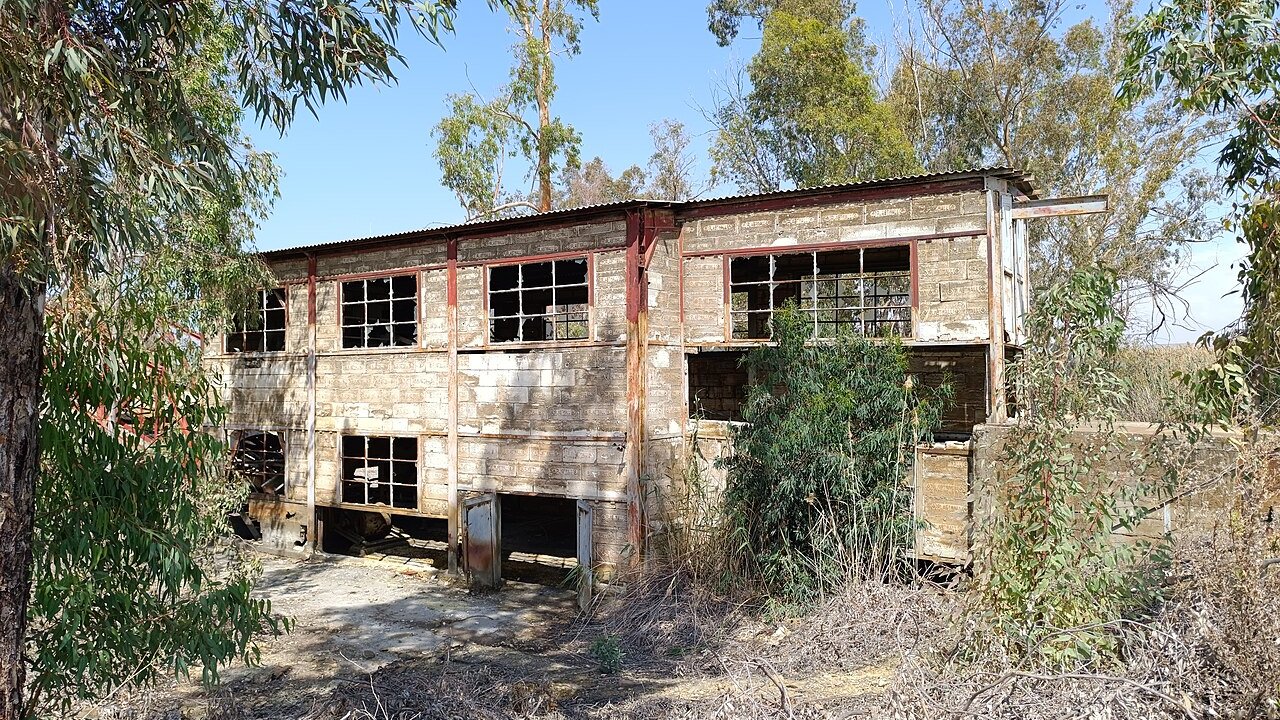
ToprakM · CC BY 4.0 · Wikimedia Commons Industrial heritage
Gemikonağı (Karavostasi) port and processing plants
The Department says the CMC exported through its own port at Gemikonağı from 1926 and began building large processing plants beside it after opening the Karadağ mine in 1929. A cyanide plant recovered gold and silver from 1933 to 1941.
Source: eemd.gov.ct.tr
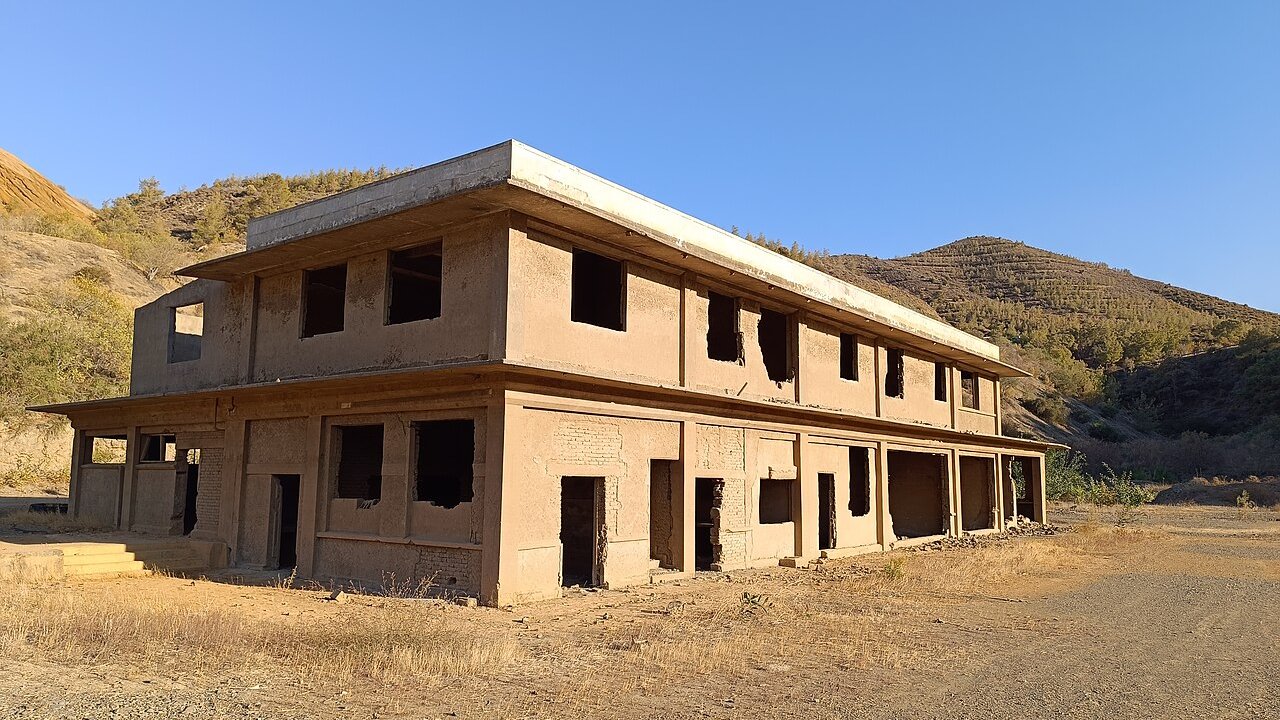
ToprakM · CC BY 4.0 · Wikimedia Commons Research
Post-mining heritage and tourism study (2022)
Vehbi, Mısırlısoy, Günçe and Yüceer (2022, Geoheritage) describe the CMC area at Lefke as a derelict copper mining field with mine fields, processing units, laboratories, workers' houses and public buildings. They propose conservation strategies within a mining tourism framework.
Source: i-rep.emu.edu.tr
1 / 8

Orange groves, the Orange Festival, dams and the western coast
Visit North Cyprus places Güzelyurt in the centre of the citrus-growing area and calls the district a "fruit basket" of Cyprus; its Lefke page uses the same phrase for the Lefke plain and mentions a Walnut Festival in July. According to BRT, the 48th Güzelyurt Orange Festival opened on the evening of 15 June 2026 with a parade to the Festival Park and ran until 21 June; the mayor described it as held without interruption for 48 years.
Lefke Municipality, as reported by BRT on 12 December 2025, named the Kalobanoyat, Lefke and Kafizes dams and the Gemikonağı reservoir in its area, and said the Gemikonağı reservoir held no water at the time. West of Lefke, the coastal village of Yeşilırmak (Limnitis) lies near Vouni and Soli, according to Wikipedia, which lists it in Lefke district on the Turkish Cypriot side and in Nicosia district under the Republic of Cyprus.
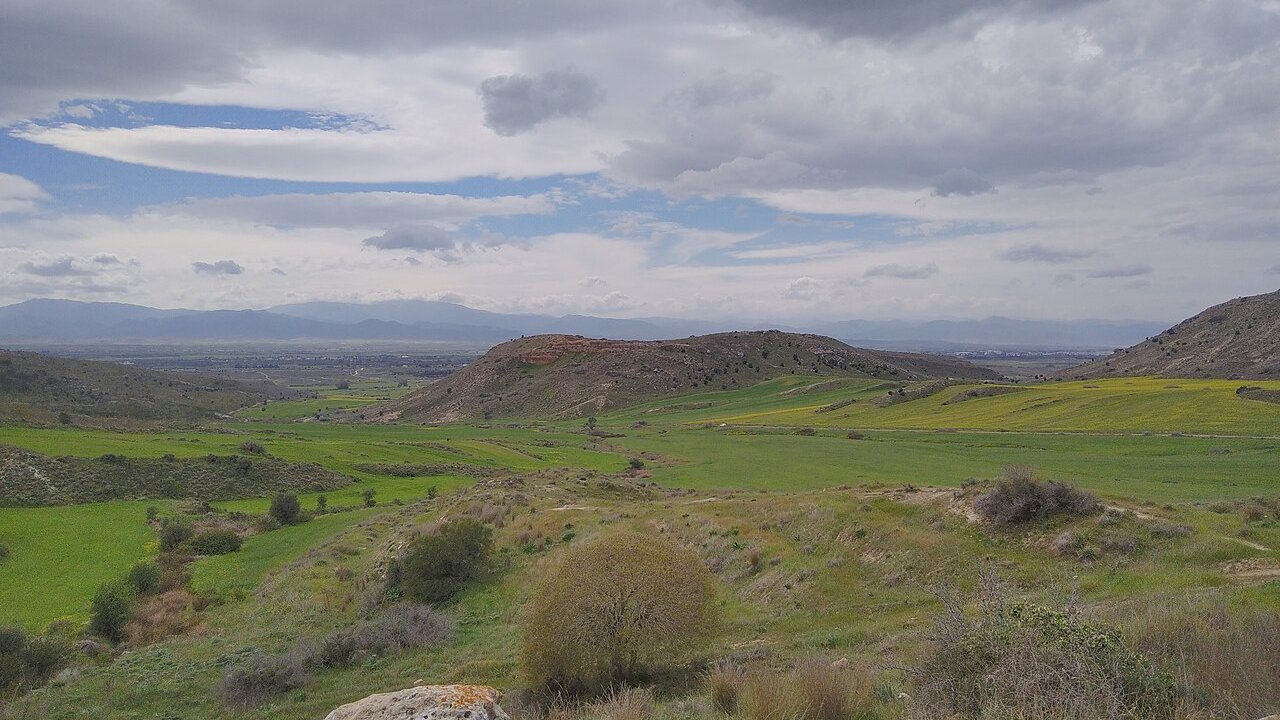
ToprakM · CC BY-SA 4.0 · Wikimedia Commons Agriculture
Güzelyurt citrus plain
Visit North Cyprus describes Güzelyurt as lying in the centre of the citrus-growing area near the foothills of the Troodos Mountains. It mentions a Saturday market of local produce and roadside stalls selling fresh juice on the road east.
Source: visitncy.com
Monoskolaggi · CC BY-SA 4.0 · Wikimedia Commons Agriculture
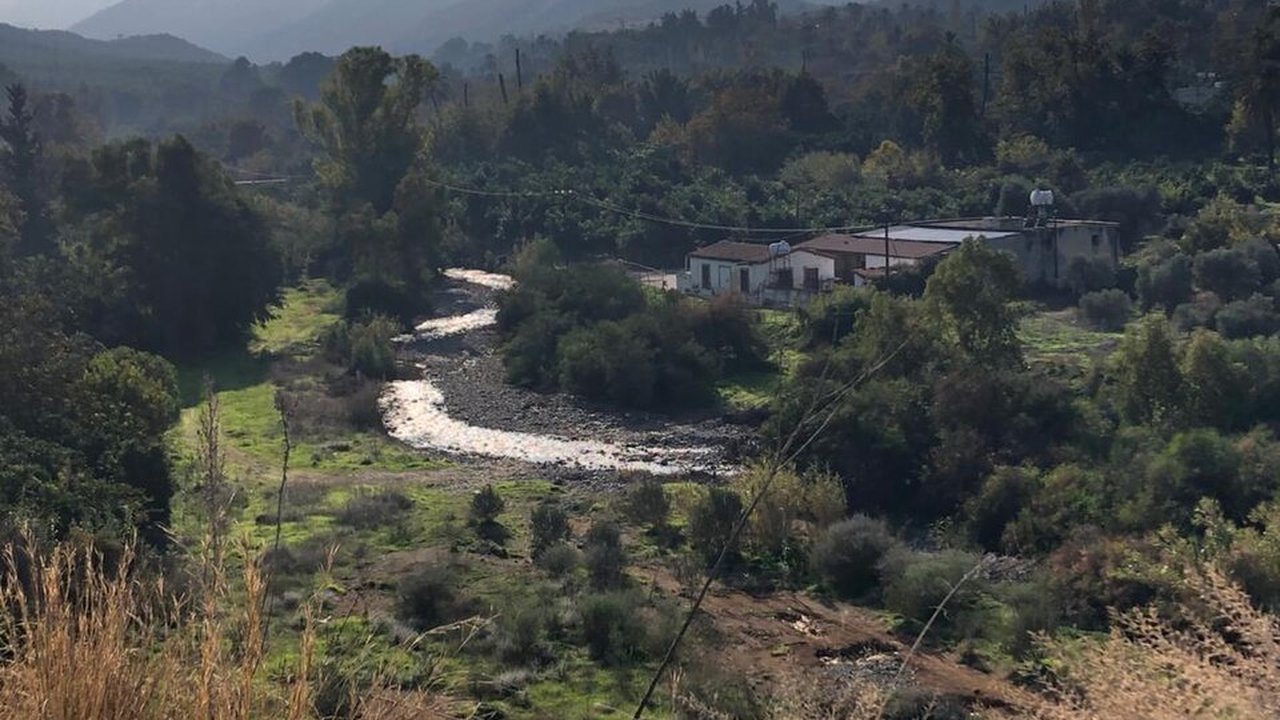
Lefke fruit and nut growing
Visit North Cyprus says spring water from the mountains reaches the fertile Lefke coastal plain, where fruit, nuts and citrus are grown. It mentions the Orange Festival in nearby Güzelyurt in June and a Walnut Festival in July.
Source: visitncy.com
Seksen iki yüz kırk beş · CC BY-SA 4.0 · Wikimedia Commons Village
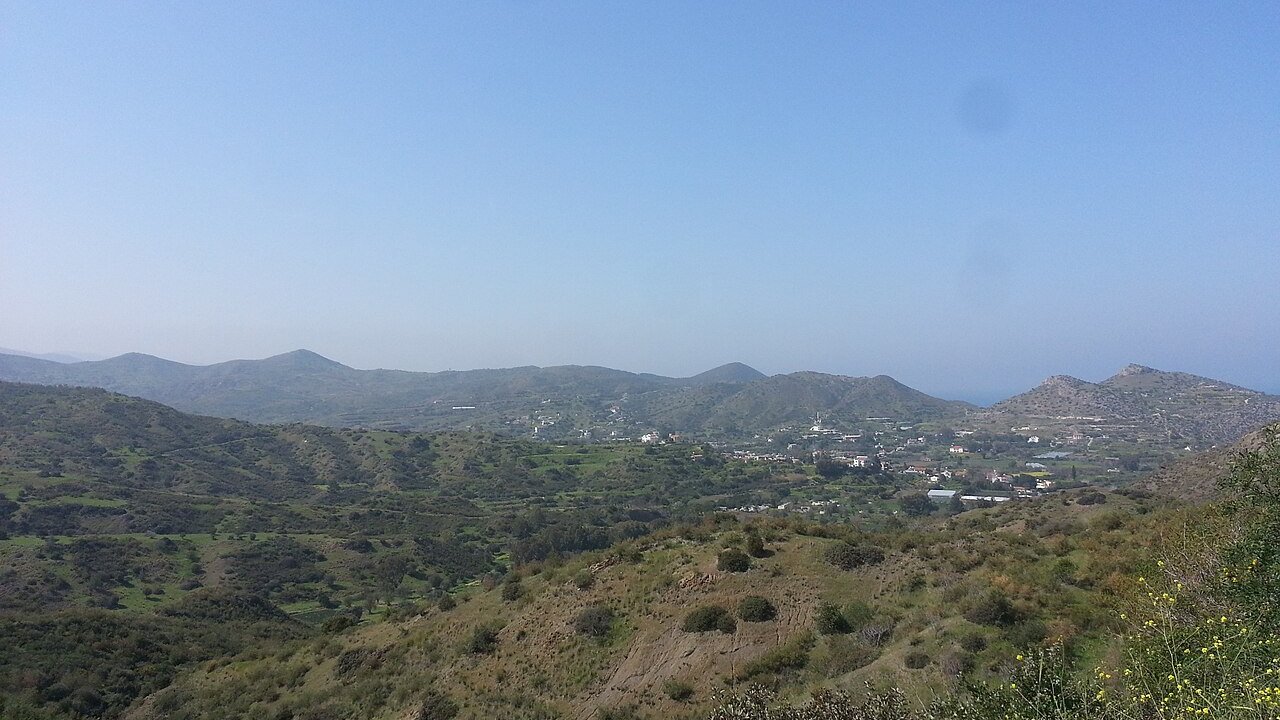
Yeşilırmak (Limnitis)
Wikipedia describes Limnitis (Yeşilırmak) as a coastal village in the Tylliria region on the northwestern slopes of the Troodos Mountains, with Vouni Palace nearby and Soli a little further east. Crossing rules in this area are covered on the [government, districts and crossings page](/about-north-cyprus/government-districts-and-crossings) and official sources, not here.
Source: en.wikipedia.org
1 / 6

Nearby: Koruçam (Kormakitis) and Maronite heritage
Koruçam (Kormakitis) lies outside the two districts covered here: Wikipedia lists it in Kyrenia (Girne) district and describes it as a Maronite village. CNEWA (Catholic News Service, 20 May 2010) described Cypriot Maronite Arabic as the community's own, endangered language.
Conservation of the Old St George Church in the village was carried out under the EU-funded programme "Support to Monuments of Great Importance for the communities of Cyprus", implemented by UNDP with the Technical Committee on Cultural Heritage between 2013 and 2017. Cyprus Mail reported on 8 April 2017 that the work was complete. This page describes the heritage only; questions of property and residence are outside its scope.
muffinn · CC BY 2.0 · Wikimedia Commons Village
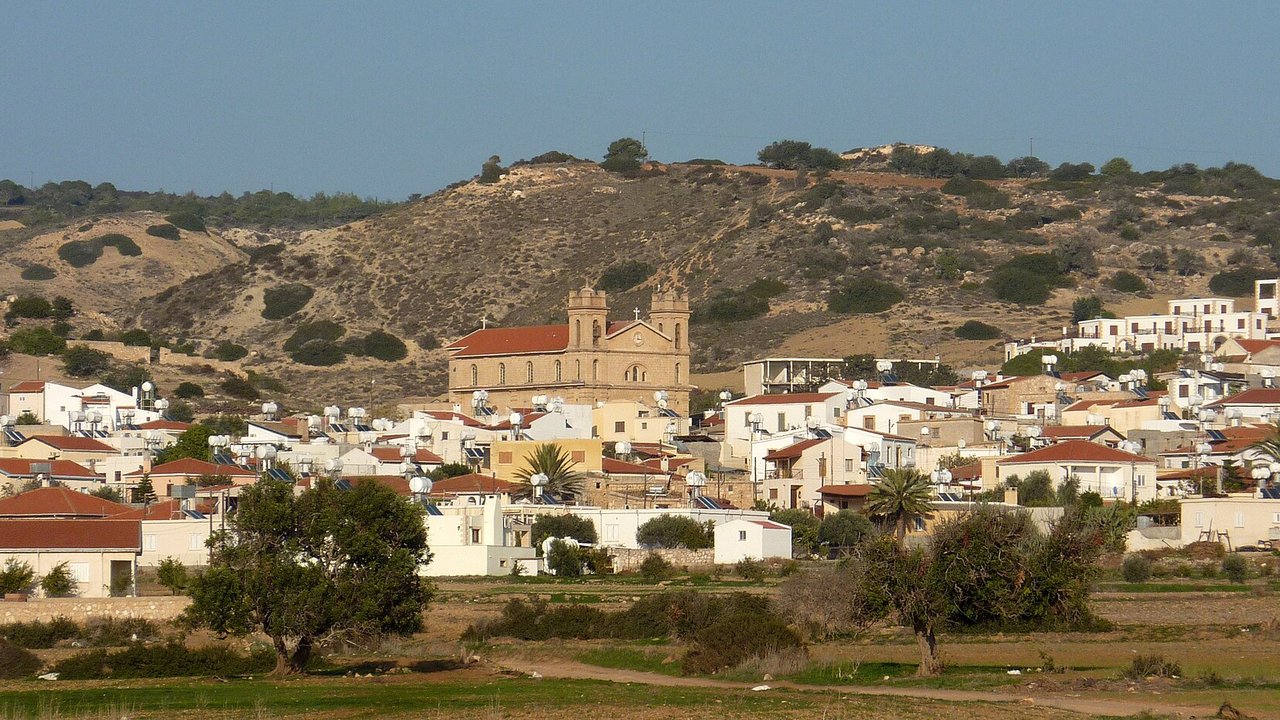
Koruçam (Kormakitis / Kormacit)
Wikipedia says the Maronites of the village traditionally speak their own variety of Arabic, Cypriot Maronite Arabic, as well as Greek and, more recently, Turkish. It reports that the population rises at weekends as former residents visit relatives and attend Mass.
Source: en.wikipedia.org
Xxlstier · CC BY-SA 4.0 · Wikimedia Commons Church
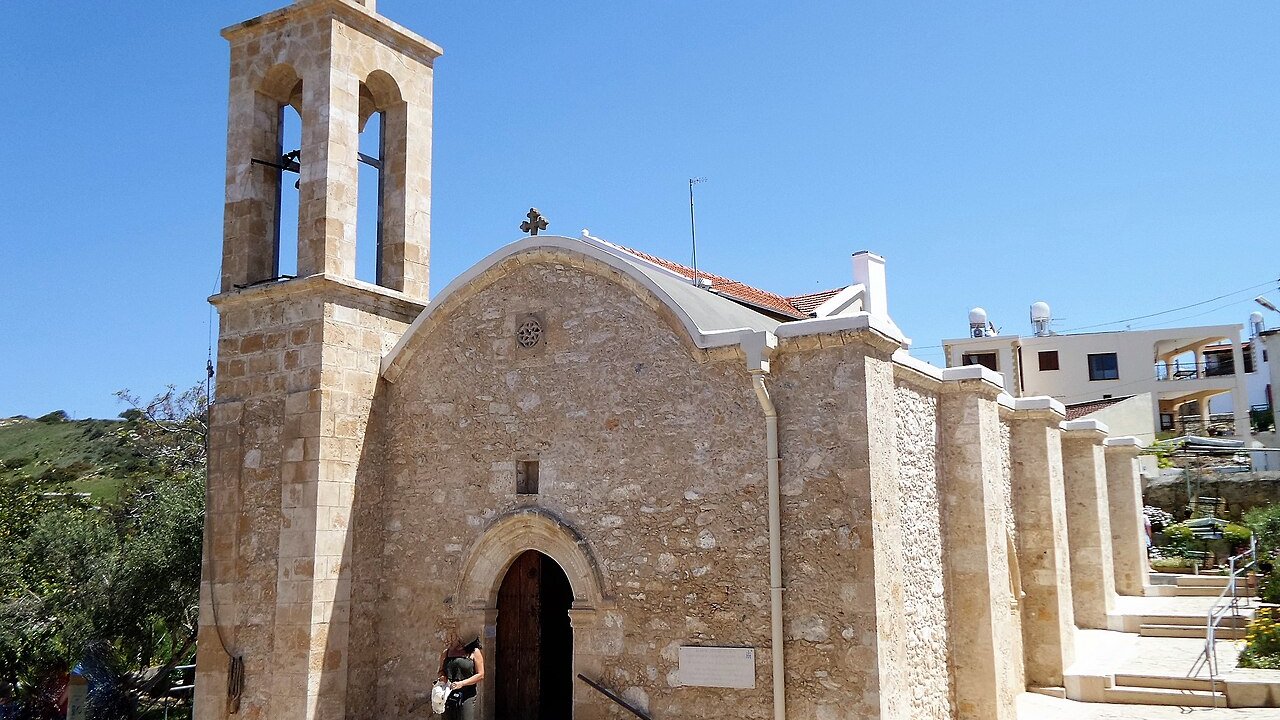
Old St George Church (conservation)
UNDP lists the Old St George Church in Kormakitis/Kormacit/Koruçam among the monuments conserved in phase 2 of its programme, which ran from September 2013 to December 2017.
Source: undp.org
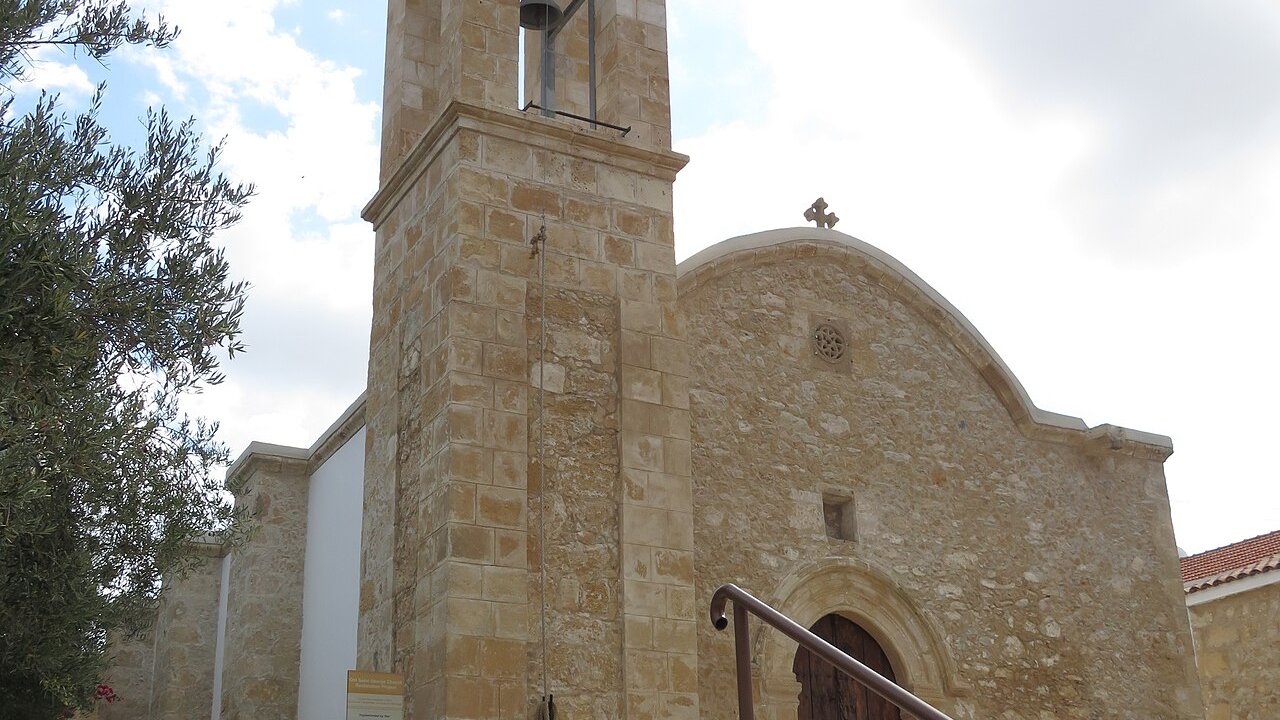
HFrankDM · CC BY-SA 4.0 · Wikimedia Commons Church
Old St George Church (history)
Cyprus Mail reported in April 2017 that the 16th-century Old St George Church had been restored and that it was the main church of the Maronite community until the new St George church was built in the early 20th century.
Source: archive.cyprus-mail.com
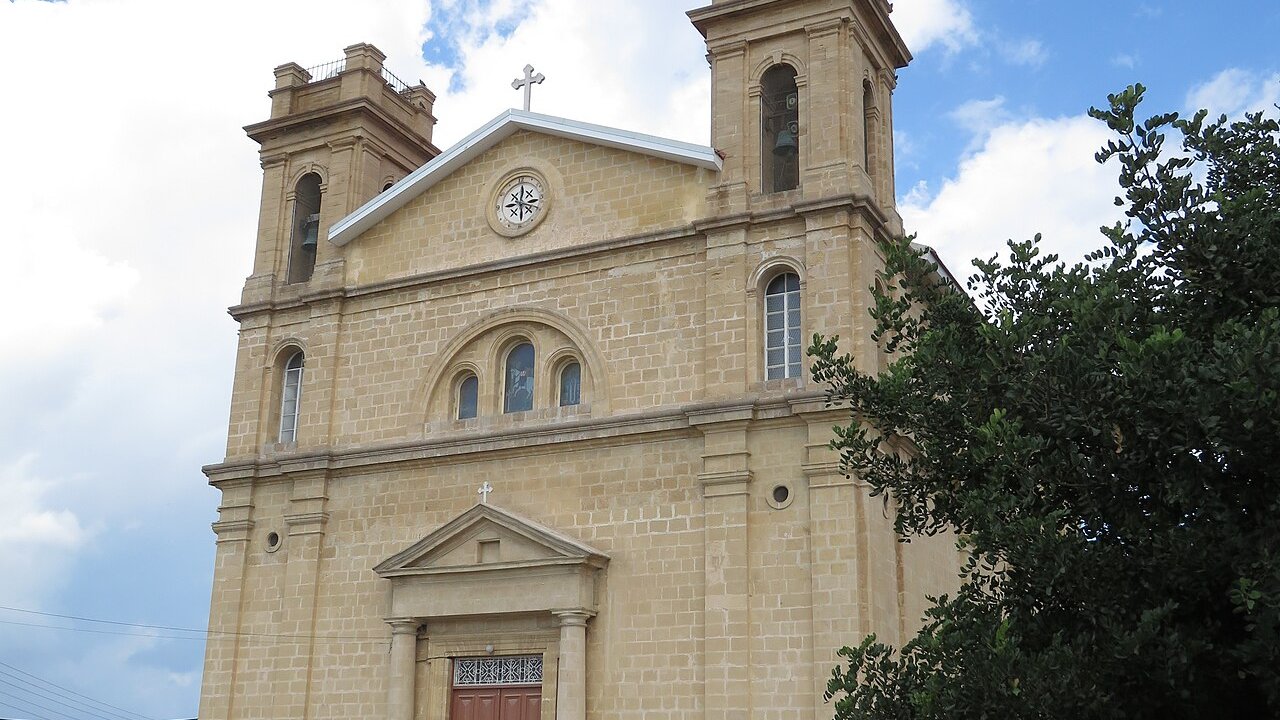
HFrankDM · CC BY-SA 4.0 · Wikimedia Commons Church
St George's Church (in use)
Wikipedia says the present St George's Church was begun in 1900, completed in 1930 and is still used by the remaining inhabitants. CNEWA reported in 2010 that daily Mass was held there.
Source: en.wikipedia.org
1 / 6
Practical notes
- The Department of Antiquities and Museums publishes visiting hours for Soli, Vouni and the three museums. This page gives no hours, fees or ticket rules; check the Department before visiting.
- Sources disagree on some dates. For Soli, the Department says Swedish excavations began in 1927, while Visit North Cyprus gives 1929; for Vouni, the Department gives both 1928 to 1929 and 1927 to 1931 on the same page. For St Mamas, the Department dates the church to the 16th century and Visit North Cyprus mostly to the 18th.
- Visit North Cyprus says the road up to Vouni Palace is narrow and steeply winding. The Aphrodite temple above the Soli theatre is described by the same source as not open to the public, and the Department says Toumba tou Skourou is closed to visitors.
- St Mamas is an icon museum and the Koruçam churches are places of worship. Visitors should follow any rules posted on site.
- The Orange Festival dates change every year. The dates on this page are the 2025 and 2026 editions as reported by BRT; check Güzelyurt Municipality or BRT for the next edition.
- Place names appear in Turkish and Greek forms (Güzelyurt/Morphou, Lefke/Lefka, Gemikonağı/Karavostasi, Yeşilyurt/Pentageia, Yeşilırmak/Limnitis, Koruçam/Kormakitis, Vuni/Vouni). The districts are shown on the districts and towns map page.
Frequently asked questions
What are the main places to see in Güzelyurt and Lefke?
The Department of Antiquities and Museums lists five sites in its Güzelyurt region: the Güzelyurt Museum of Archaeology and Nature with St Mamas Church, the Lefke Mining Museum, the Güzelyurt Railway Station Museum, Soli and Vouni Palace. Visit North Cyprus adds Petra tou Limnidi, the Lefke aqueduct, the Piri Mehmet Pasha Mosque and the locomotives around Lefke.
What is there to see at Soli?
Visit North Cyprus describes a Roman theatre of the late 2nd century AD with 17 rows of seats, and a basilica of the late 4th century AD with floor mosaics including a swan and dolphins. The Department of Antiquities and Museums also describes tombs excavated in 2005 to 2006 with gold and metal finds.
Who built Vouni Palace and why?
The Department of Antiquities and Museums says the pro-Persian king of Marion built it on a hill 250 m above sea level to watch over Soli, around 500 BC. It passed under Greek control around 450/440 BC and burned and was abandoned in 380 BC.
When did the Lefke Mining Museum open?
The Department of Antiquities and Museums says it opened on 24 May 2025 in the restored cinema part of Vasıf Palas, a 1930s cinema and hotel building. It has archaeology, geology and Cyprus Mines Corporation sections, including a Late Bronze Age oxhide ingot and a mine wagon.
What was the Cyprus Mines Corporation?
According to the Department of Antiquities and Museums, it was a company set up by American investors in 1916 that mined copper around Lefke, exported through its own port at Gemikonağı from 1926 and left the island at the end of March 1975. It built workers' villages, schools and a hospital at Yeşilyurt.
Was there a railway in Güzelyurt?
Yes. The Department of Antiquities and Museums says Güzelyurt (Morphou) station opened on 31 March 1907 on the Cyprus Government Railway and served until the line closed in 1951. The restored station opened as a railway museum on 18 May 2022, with CMC steam locomotive No. 3 in its grounds.
When is the Güzelyurt Orange Festival?
It is held in June, but dates change each year. BRT reported that the 48th festival opened on the evening of 15 June 2026 and ran until 21 June, and that the 47th began in mid-June 2025, organised by Güzelyurt Municipality.
What is in the Güzelyurt Museum of Archaeology and Nature?
The Department of Antiquities and Museums says the ground floor shows preserved animals, and the upper floor shows finds from the Neolithic to the Byzantine period, including material from Toumba tou Skourou and a statue of Artemis of Ephesus found off Salamis.
Who was buried in the Osman Pasha tomb in Lefke?
Visit North Cyprus says the tomb in the garden of the Piri Mehmet Pasha Mosque belongs to Osman Pasha, a vizier who died in Lefke in 1839, and that it was made in Izmir for his wife. A second grave in the garden is that of Hüseyin Ağa.
Sources
- Department of Antiquities and Museums (Eski Eserler ve Müzeler Dairesi): Museums and sites
- Department of Antiquities and Museums: Visiting hours page
- Department of Antiquities and Museums: Güzelyurt Museum of Archaeology and Nature and St Mamas Church
- Department of Antiquities and Museums: Lefke Mining Museum
- Department of Antiquities and Museums: Güzelyurt Railway Station Museum
- Department of Antiquities and Museums: Soli
- Department of Antiquities and Museums: Vouni Palace
- Visit North Cyprus: Soli Ruins
- Visit North Cyprus: Vouni Palace
- Visit North Cyprus: Petra tou Limnidi
- Visit North Cyprus: St. Mamas Monastery and Icon Museum
- Visit North Cyprus: Locomotive Trains
- Visit North Cyprus: Piri Mehmet Pasha Mosque
- Visit North Cyprus: Lefke Aqueduct
- Visit North Cyprus: Lefke
- Visit North Cyprus: Güzelyurt
- BRT: 48th Güzelyurt Orange Festival began last night (16 June 2026)
- BRT: 47th Güzelyurt Orange Festival kicks off with colourful parade (17 June 2025)
- BRT: Lefke Municipality: No flood risk at dams (12 December 2025)
- Warren, P. M. (1993). Review of Vermeule and Wolsky, Toumba tou Skourou: A Bronze Age Potters' Quarter on Morphou Bay in Cyprus. Classical Review 43. University of Bristol research record
- Turgut Gültekin, N. (2020). Reading Administration Periods in Built Environment through the City of Lefke-Cyprus. Iconarp 8(2), DOAJ record
- European University of Lefke: Çağanağa analysed the historical development of Cyprus Mining Company houses
- Vehbi, B. O., Mısırlısoy, D., Günçe, K., Yüceer, H. (2022). The Tourism Potential of Post-mining Heritage Sites: The Cyprus Mining Cooperation in Lefka, Cyprus. Geoheritage 14(2), Eastern Mediterranean University repository
- Cittaslow International: Lefke
- UNDP Cyprus: Support to Monuments of Great Importance for the communities of Cyprus, phase 2 (2013–2017)
- Cyprus Mail: 15th century Maronite church repaired and returned (8 April 2017)
- CNEWA / Catholic News Service: Maronites in Cyprus (20 May 2010)
- Wikipedia: Kormakitis (secondary source)
- Wikipedia: Limnitis (secondary source)
Questions about North Cyprus?
Write to NORTHEA for a private conversation about areas, hotels or property.